BMW is killing off one of its most practical and unusual nameplates, ending the 2 Series Active Tourer and confirming there will be no direct successor as the automaker narrows its lineup ahead of a new wave of smaller electric cars.
BMW Ends 2 Series Active Tourer
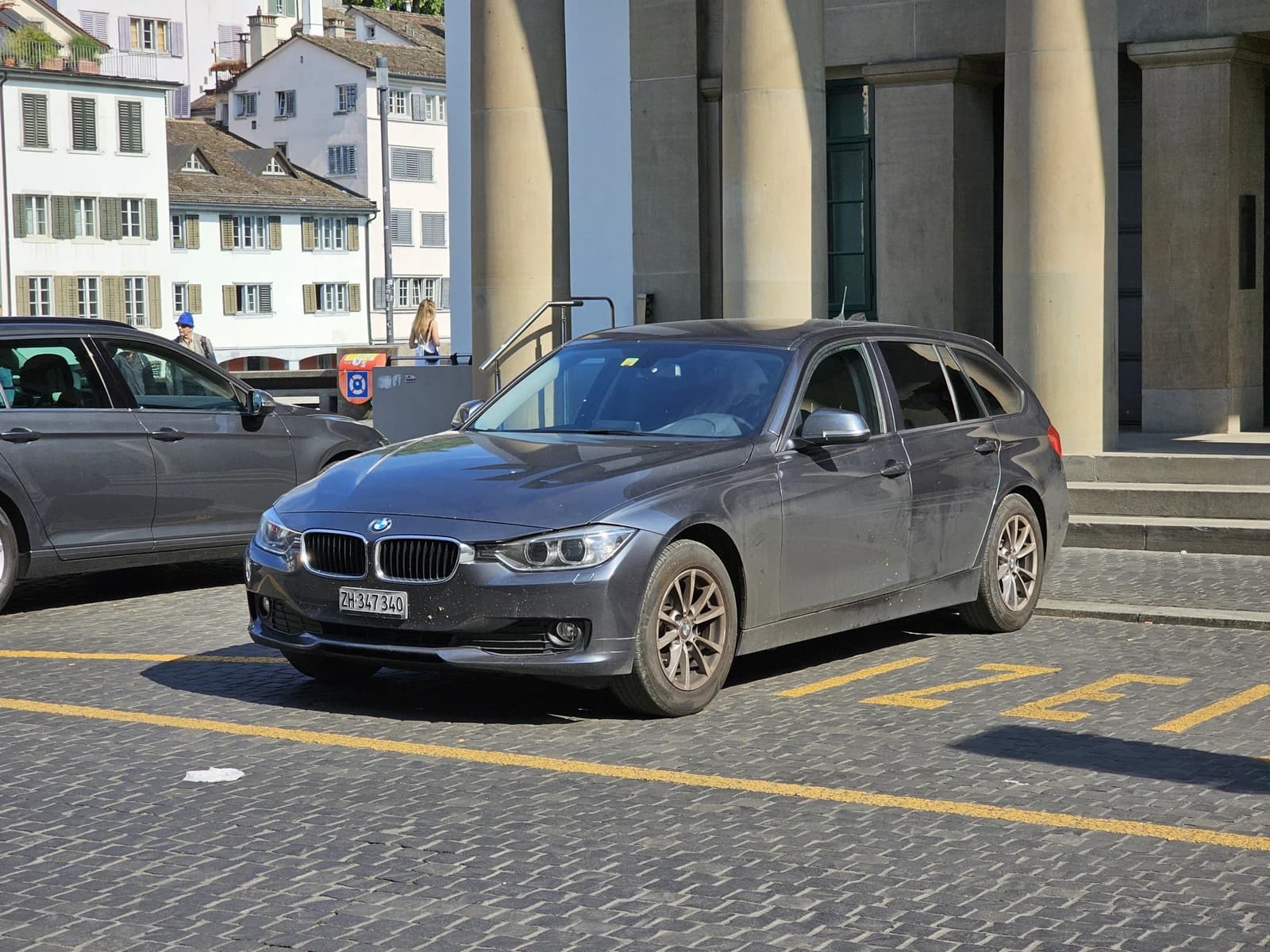
That matters because this is more than the end of a niche minivan-style BMW. It is another sign that Europe’s premium car market is being reshaped by two forces investors should care about: a retreat from low-margin complexity and a hard pivot toward electric vehicles built on scalable platforms. BMW is choosing fewer badges, fewer variants and a cleaner product architecture over the kind of experimentation that produced its first front-wheel-drive production model.
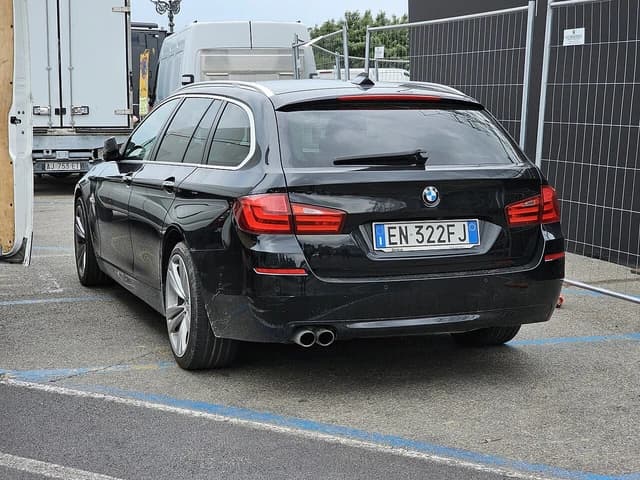
The Active Tourer, launched in 2014, was one of the clearest breaks from the classic rear-wheel-drive BMW formula. It was designed under Domagoj Đukec, the Croatian designer who later rose to head BMW design, and it gave the company a practical family car that broadened its appeal in Europe. But practicality alone was never enough to protect it. BMW said the decision fits a wider strategy to reduce complexity and focus on models with stronger demand and better margins in key markets.
For investors, that is the real story. BMW is signaling that capital will keep flowing toward product lines with more pricing power and toward the Neue Klasse generation, which is expected to reach Europe in 2028 in a smaller, lower-cost form. The company has not named the new car, but the likely logic is clear: BMW wants to bring its next electric architecture downmarket without carrying the drag of aging combustion-era niche models. That should help margins over time, even if it means sacrificing some breadth in the showroom.
The market is also being told something important about the electric transition. BMW is not just replacing one car with another; it is reshaping its entry-level strategy around EV scale, software and platform efficiency. That makes suppliers tied to batteries, electronics and EV components more relevant, while diminishing the importance of legacy internal-combustion variants that once filled out BMW’s European range. The company’s move fits a broader industry pattern in which automakers are abandoning marginal models to fund software-defined, higher-volume vehicles.
The stock implication is straightforward: BMW investors should focus less on sentimental nameplates and more on whether the company can execute its Neue Klasse rollout without margin erosion. The shares, like much of the European auto complex, are already pricing in a tougher environment, and the technical picture underscores the pressure. BMW.DE has fallen far below its 50-day and 200-day moving averages, with RSI readings deeply oversold, suggesting sentiment is weak even as the strategic case for a leaner lineup strengthens.
That creates an asymmetric setup. If BMW can use this pruning to improve mix and accelerate EV transition economics, the market may eventually reward the stock for discipline rather than breadth. The near-term pain is obvious; the long-term opportunity is that BMW is clearing away distractions before its next product cycle. For investors, the better trade is not to mourn the lost model but to watch whether BMW’s simplified lineup becomes a more profitable one.
| Entity | Gains | Losses |
|---|---|---|
| BMW | ▲Simpler lineup, better capital allocation | ▼One niche model, some showroom breadth |
| Neue Klasse EV program | ▲More focus and resources | ▼Legacy ICE niche vehicles |
| Suppliers to EV platforms | ▲Higher future demand | ▼Parts tied to discontinued variants |
| Buyers needing practical compact MPV | ▲Very few alternatives left | ▼Access to the Active Tourer |