Emarat’s new partnership with Al Fanar Gas points to a broader shift in the UAE’s energy buildout: the country is moving natural gas from a commodity supply business toward a more integrated infrastructure market, where long-term value depends on owning the network as much as selling the fuel.
Emarat and Al Fanar Gas sign UAE partnership
The memorandum of understanding, signed at ADIPEC 2026 in Abu Dhabi, gives Emarat a route to pair its gas supply and commercial reach with Al Fanar Gas Group’s engineering, construction and operations capabilities. That matters because the highest-return opportunities in gas often sit downstream from the molecule itself — in central gas systems, transmission links, compressed natural gas distribution and the long tail of operations and maintenance contracts that can generate steadier cash flow than spot-linked sales.
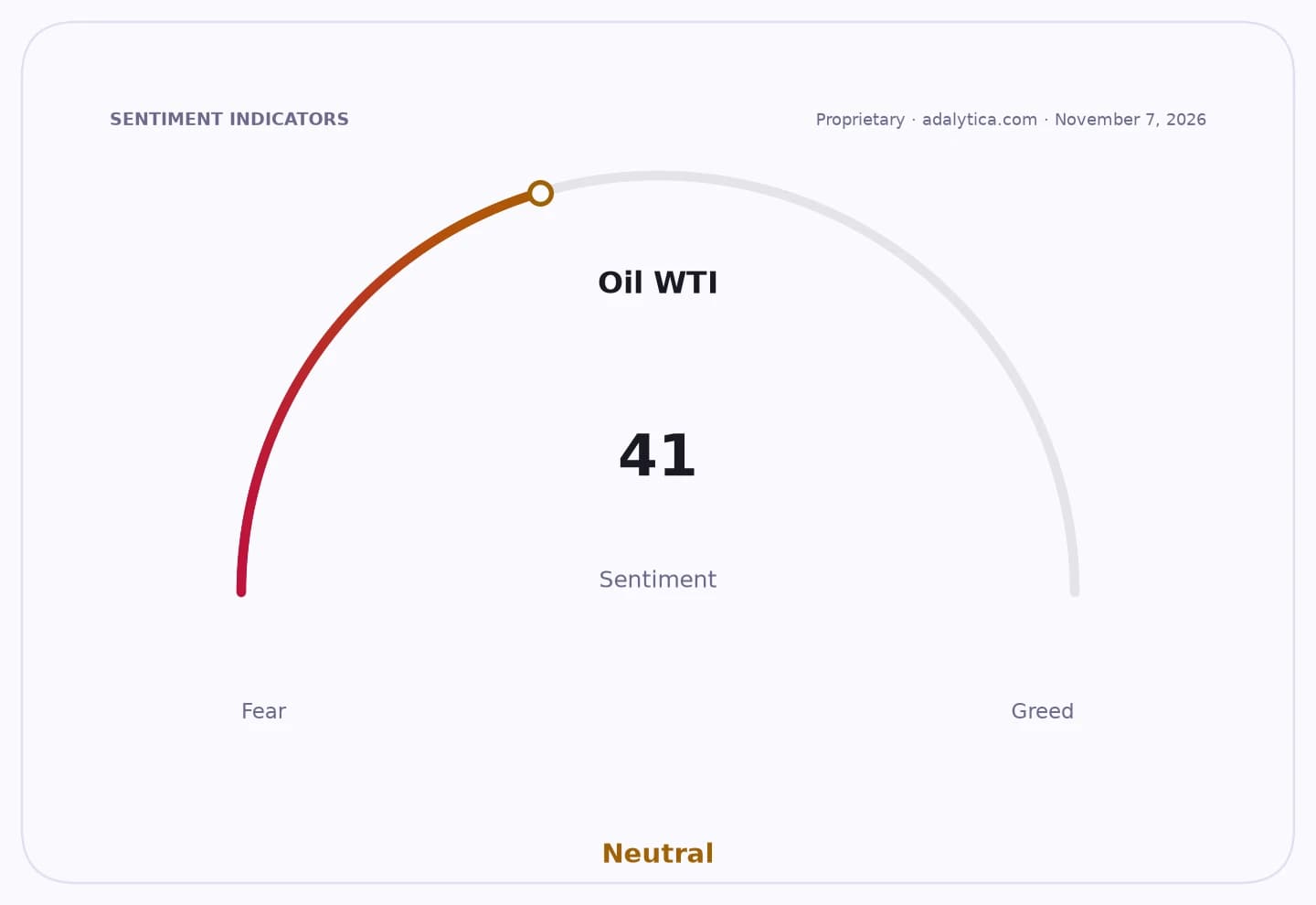
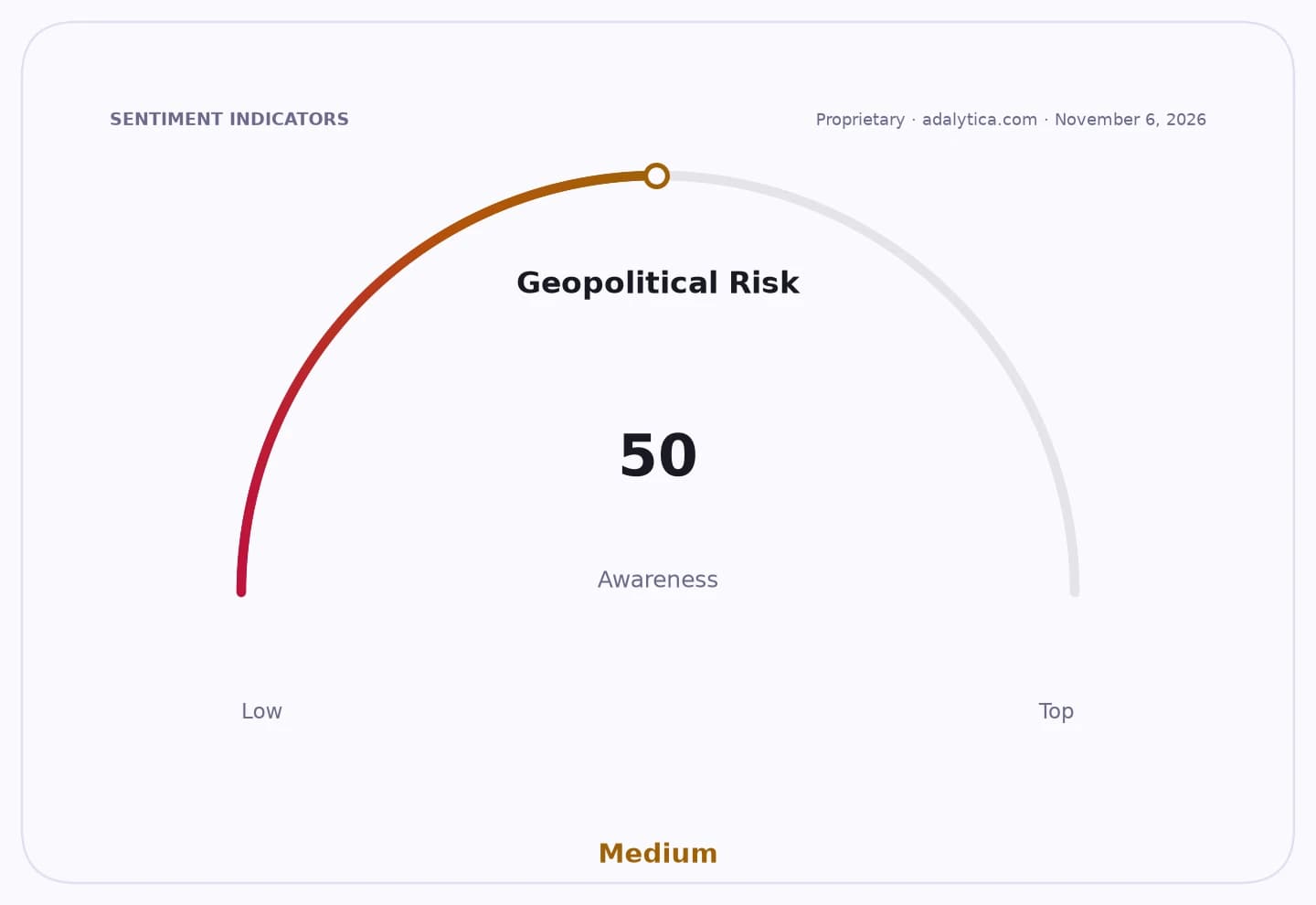
Sentiment Indicators
For the UAE, the deal fits a wider industrial policy logic. Faster development of gas infrastructure supports commercial customers, city gas networks and associated gas systems that can underpin economic activity without the heavy emissions and logistics burden of alternatives such as diesel. It also helps deepen domestic energy resilience at a time when the region is still investing heavily to support growth, power demand and industrial expansion.
Emarat said it will identify opportunities and work with customers to define gas requirements, while Al Fanar Gas will help develop and operate the required infrastructure. In practical terms, that suggests an end-to-end model from feasibility through construction and long-term maintenance, which can shorten project timelines and reduce execution risk for clients. That can be a competitive advantage in a market where businesses want predictable energy service, not just fuel supply.
The collaboration also reflects a corporate strategy increasingly common across the Gulf: energy companies are using partnerships to widen their addressable market without taking on all the capital intensity themselves. For Emarat, that could mean a larger role in natural gas and CNG at a time when the economics of gas infrastructure remain attractive relative to some other midstream investments. For Al Fanar, the agreement adds commercial scale and customer access.
Investors should read the move as strategic rather than immediately financial. No project pipeline, capex figure or earnings contribution was disclosed, so the near-term impact is likely limited. But the agreement positions both companies to compete for future infrastructure contracts, and in a region where energy services are becoming more integrated, that can translate into recurring revenue, better asset utilization and stronger operating leverage over time.
The bigger picture is that natural gas remains a core transitional fuel for the UAE’s next phase of growth, even as capital also flows into lower-carbon alternatives. Partnerships like this suggest the market is not just betting on fuel demand, but on the infrastructure layer that makes that demand reliable and monetizable.
| Entity | Gains | Losses |
|---|---|---|
| Emarat | ▲Broader gas franchise | ▼Higher execution complexity |
| Al Fanar Gas Group | ▲More project opportunities | ▼Capital and delivery burden |
| UAE commercial customers | ▲Integrated gas solutions | ▼Less pricing optionality |
| Alternative fuel suppliers | ▲— | ▼Potential share of gas-linked demand |