TotalEnergies has agreed to buy LNG from Abu Dhabi National Oil Co. over five years, a deal that underscores how the race to secure reliable fuel supply is reshaping global gas markets.
TotalEnergies buys LNG from Adnoc for five years
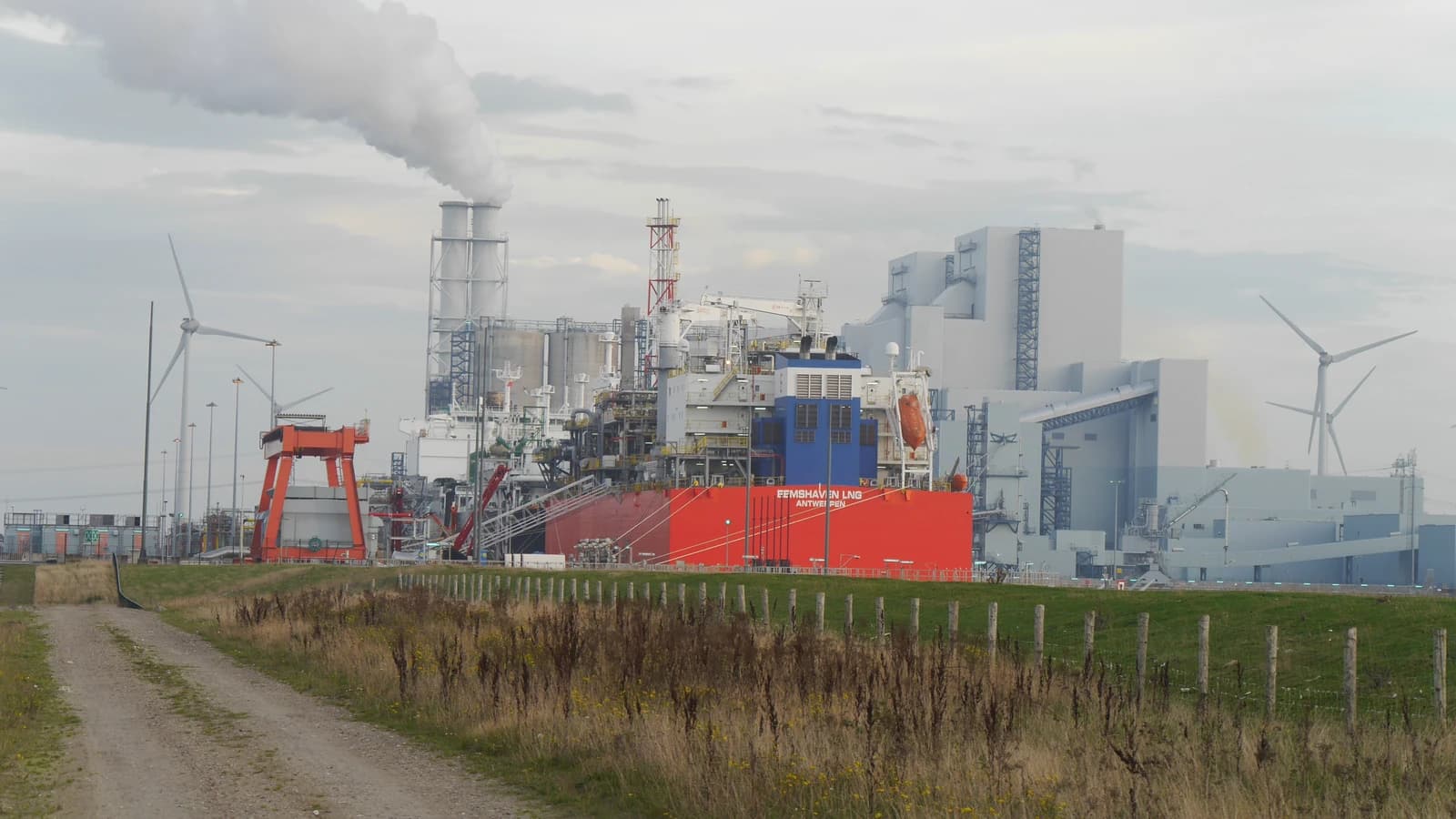
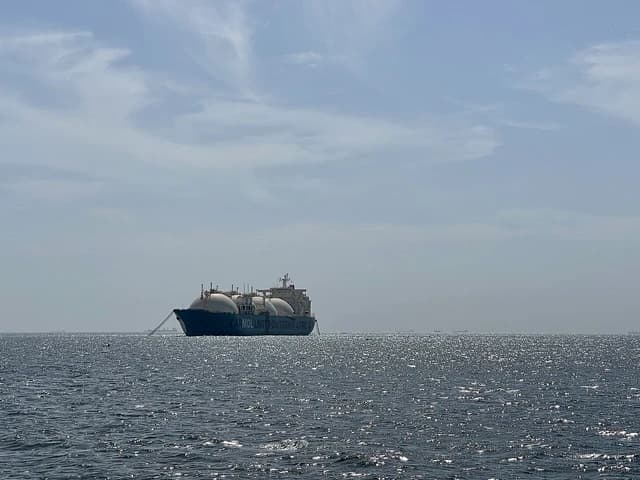
For investors, the significance goes well beyond a single contract. In a year when LNG cargoes have become more expensive and more strategically important, long-term supply deals are becoming a hedge against geopolitical shocks rather than just a procurement exercise. India’s confirmation of an attack on an LNG tanker in the Gulf is a reminder that shipping lanes remain vulnerable, especially around the Middle East and the Strait of Hormuz, where any disruption can ripple through pricing, delivery schedules and utilities’ balance sheets.
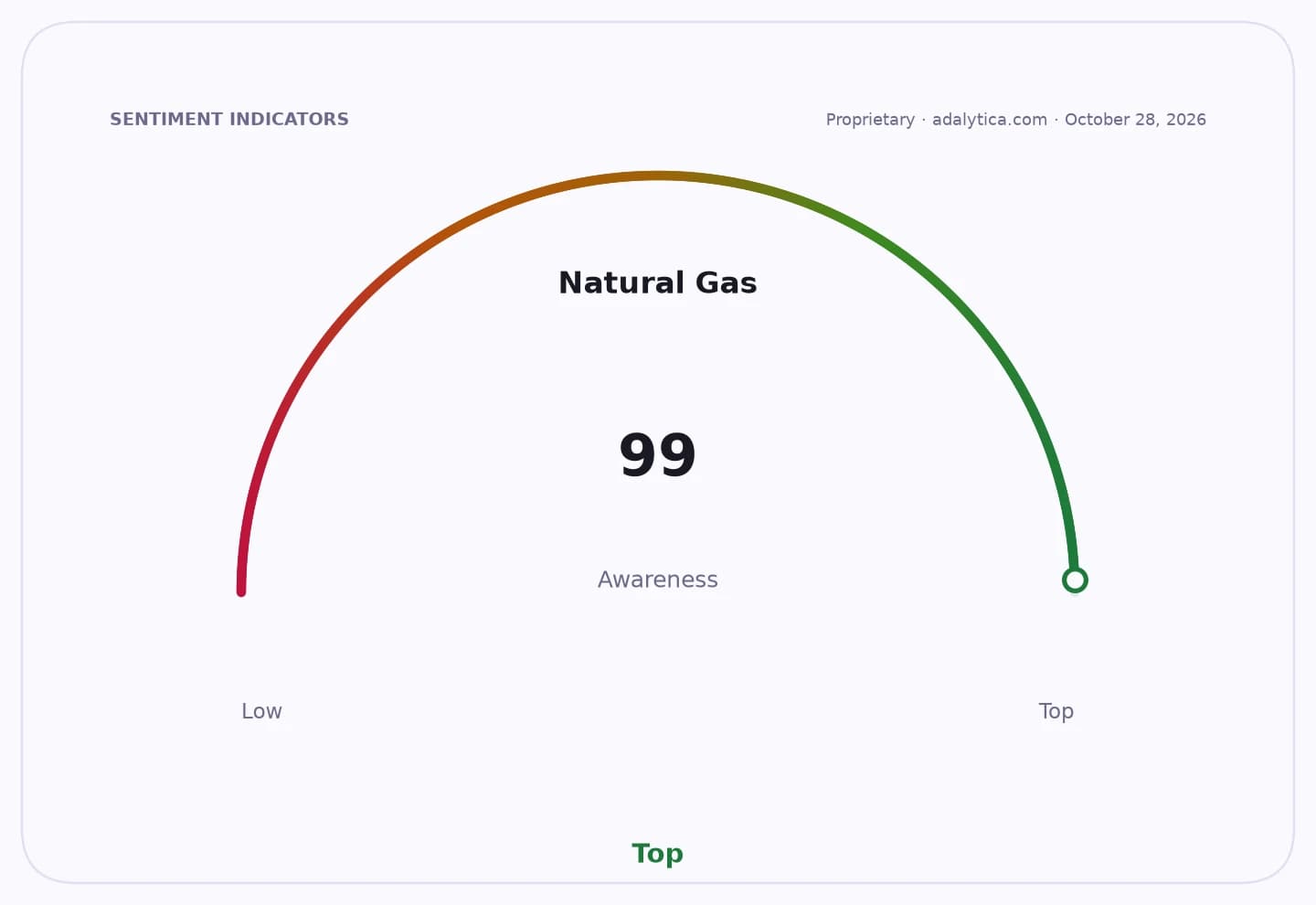
Sentiment Indicators
That is why buyers are increasingly favoring fixed relationships with producers they trust. TotalEnergies, one of Europe’s biggest energy companies, is securing future volumes from Adnoc at a time when the LNG market is still digesting higher costs and uncertain supply. For producers such as Adnoc, five-year deals provide predictable cash flow and help anchor output amid a market that is still being driven by security premiums and contract discipline.
The investment case here is straightforward. LNG remains a key bridge fuel for power generation and industrial demand, and companies with access to long-term supply and trading flexibility are better positioned to protect margins through volatility. That matters for TotalEnergies shareholders because it supports the company’s integrated gas strategy and reduces exposure to spot-market swings. It also matters for the broader LNG complex, where long-duration contracts tend to favor established suppliers and infrastructure owners over merchants dependent on short-term cargoes.

The stock reaction reflects that resilience. TotalEnergies shares have been relatively firm even as natural gas sentiment has cooled recently, while U.S. LNG names have also drawn attention as buyers look for non-Middle East supply diversification. In the background, technical readings on the sector’s leading stocks show momentum remains intact even after some recent pullbacks, suggesting investors still view LNG as a long-term growth theme rather than a short-term trade.
The bigger story is that energy security is now pricing into corporate strategy. A five-year LNG agreement may not sound dramatic, but in today’s market it is a meaningful statement about where demand is headed: toward more contracted, more diversified and more geopolitically resilient supply. For long-term investors, that makes the producers with the best assets, contracts and balance sheets worth keeping on the watchlist.
| Entity | Gains | Losses |
|---|---|---|
| TotalEnergies | ▲supply security | ▼spot-price flexibility |
| Adnoc | ▲contracted revenue | ▼near-term upside optionality |
| LNG buyers | ▲more reliable supply | ▼exposure to disruption |
| Spot-market sellers | ▲less pricing power | ▼weaker scarcity premium |