BMW’s latest 3 Series is arriving with a sharper face, a radically different cabin and, for now, no diesel option — a striking reset for one of the company’s most important nameplates as the premium carmaker tries to carry its combustion cars into the electric age without losing what made the sedan a benchmark.
BMW 3 Series drops diesel, adds Neue Klasse design
That matters because the 3 Series is not just another model update. It is BMW’s best-selling car, with more than 18 million sold since 1975, and it has long been the sedan that carried the brand’s identity into driveways and company fleets across Europe. By dropping diesel and adopting the Neue Klasse design language, BMW is signaling that the future of its mainstream sedans will look and feel much closer to its EVs, even when they still run on gasoline.
For investors, the interesting question is not whether the new car is prettier. It is whether BMW can protect its margins and brand power while navigating a market that is changing from both ends: stricter emissions expectations on one side, and a premium EV transition that is still uneven on the other. The answer may be hidden in the powertrain mix. BMW is leaning on 48-volt mild hybrid gasoline engines to qualify for Spain’s ECO label, which should help the car’s appeal in urban Europe, while promising a plug-in hybrid next year and keeping a six-cylinder M350 xDrive at the top of the range.
That is a pragmatic move. Diesel once defined the 3 Series for high-mileage European buyers, but the market has shifted, and BMW is now choosing simplicity and flexibility over a diesel line-up that has lost some of its old relevance. At the same time, the company is not abandoning enthusiast buyers. The new M350 xDrive delivers 443 horsepower and 580 Nm of torque, up from 374 horsepower in the previous top combustion version, underscoring how BMW still wants the 3 Series to anchor the brand’s performance image.
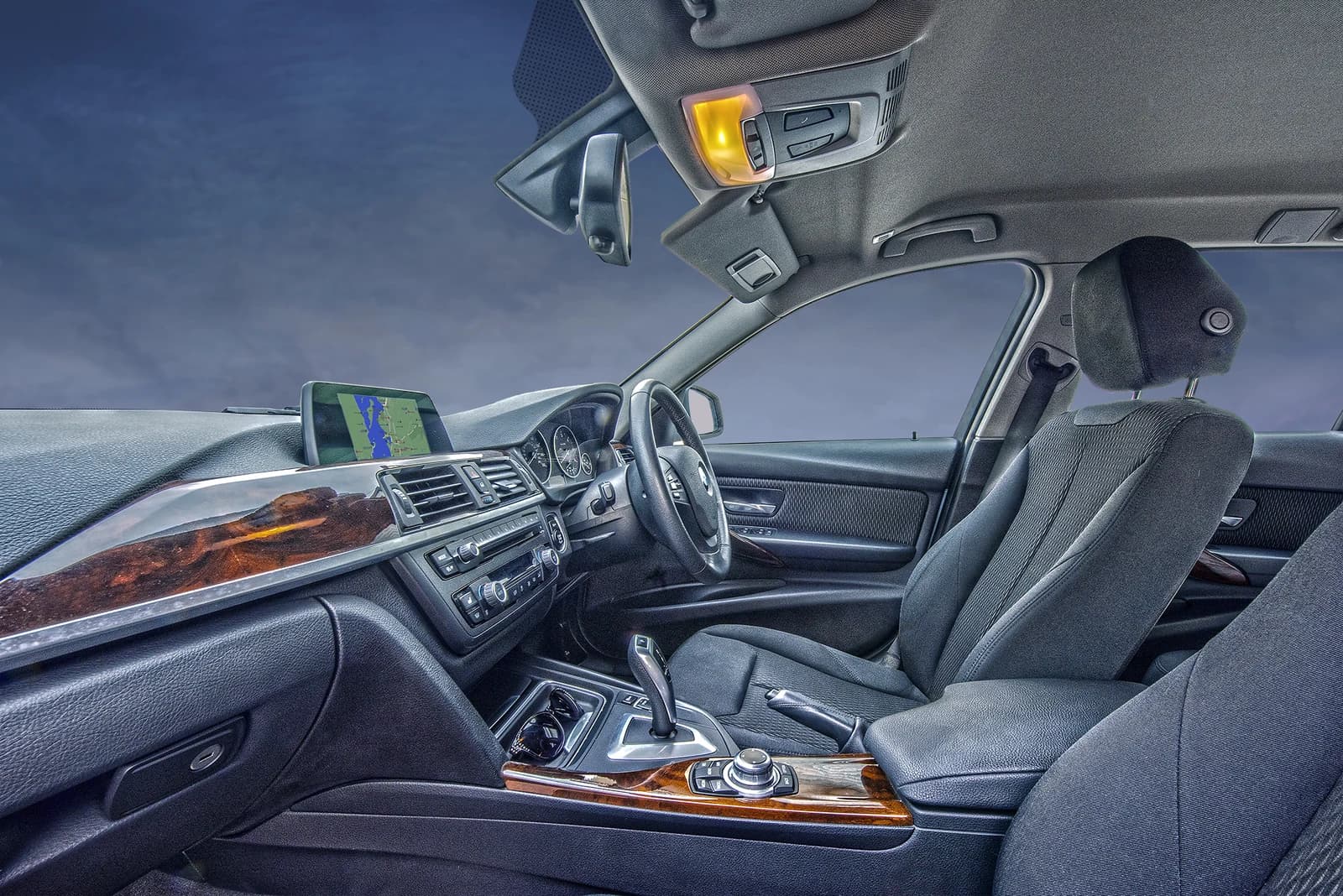
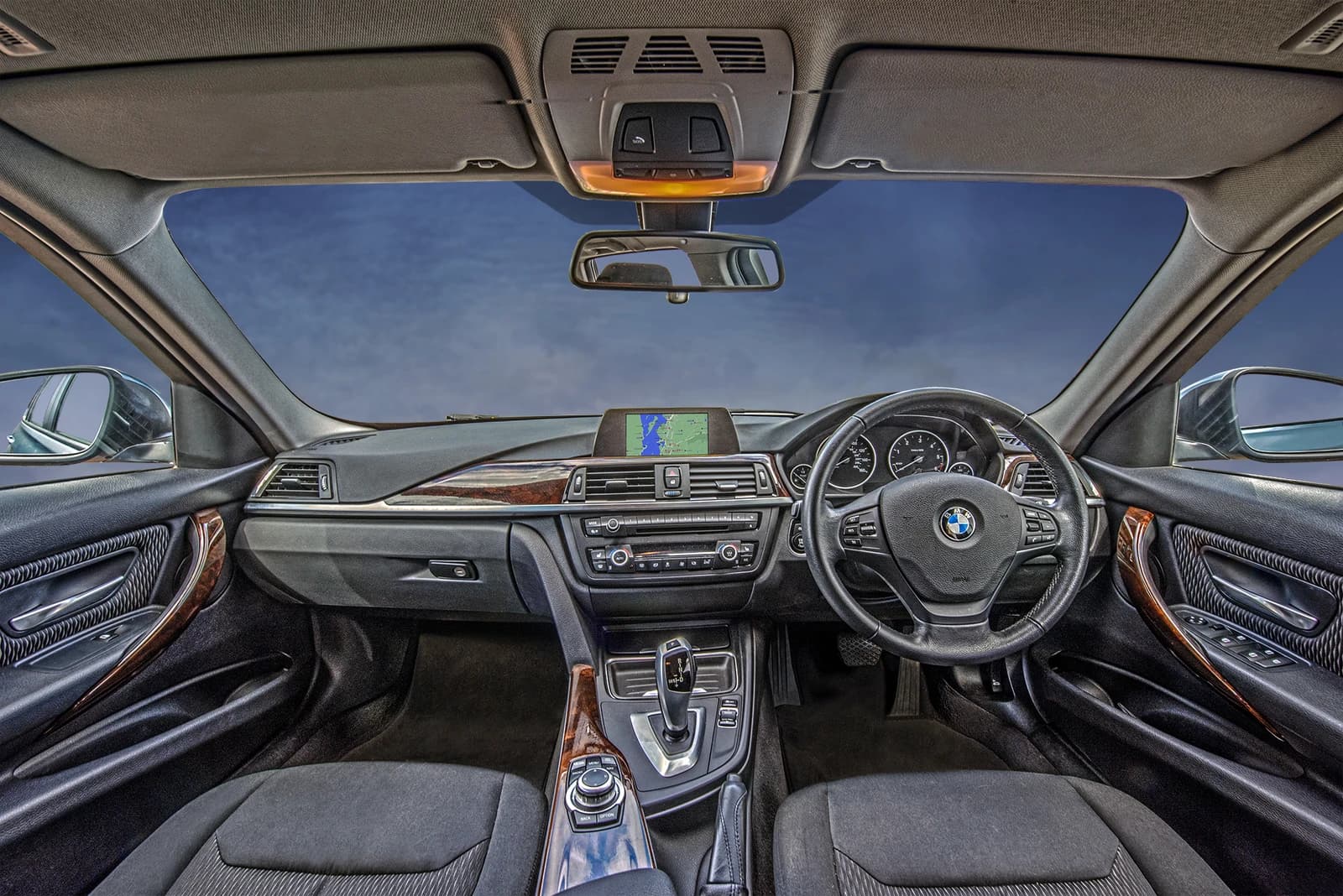
The bigger shift may be inside the cabin, where BMW is replacing the old instrument-cluster-and-screen layout with its Panoramic iDrive system, a 17.9-inch central display and a projected Panoramic Vision strip across the base of the windshield. That is more than a styling exercise. It brings the 3 Series into the company’s next-generation software ecosystem, built on Android Open Source Project and designed for over-the-air updates and more AI-driven voice control. In other words, BMW is trying to make its legacy sedan feel digitally current enough to compete with EV-first rivals.
That could matter over the long run because software, user interface and driver-assistance features are becoming as important to premium-car pricing as engine size once was. A car that feels modern inside can support residual values, customer loyalty and the kind of pricing discipline that investors care about far more than a single model-year refresh. BMW is also keeping useful physical controls for core functions, a reminder that the brand still believes premium buyers want technology that does not get in the way of usability.
There are still risks. A gasoline-only launch may look sensible today, but Europe’s regulatory direction remains unforgiving, and BMW will need the promised plug-in hybrid and the electric 3 Series family to do much of the long-term heavy lifting. The company is also introducing the new model in a market where premium buyers have more choice than ever, and where EV adoption remains uneven by country and income bracket.
Even so, the strategic logic is clear. BMW is turning the 3 Series into a bridge product: familiar enough to preserve its core audience, new enough to match the company’s electric-era design and digital ambitions. That makes the model less of a nostalgic holdover and more of a template for how BMW intends to keep combustion relevant while the industry transitions.
For long-term investors, this is the kind of evolution that matters. The new 3 Series suggests BMW is not merely defending its old business; it is rewriting it. If the company can pull off that balance across its lineup, the brand’s moat may prove more durable than the market gives it credit for. Worth watching, especially if you own BMW for the long haul.
| Entity | Gains | Losses |
|---|---|---|
| BMW | ▲fresher brand image | ▼diesel traditionalists |
| Premium buyers | ▲modern cabin tech | ▼familiar instrument layout |
| Gasoline-hybrid lineup | ▲ECO-label appeal | ▼diesel variants |
| EV rivals | ▲design benchmark pressure | ▼less exclusive styling edge |