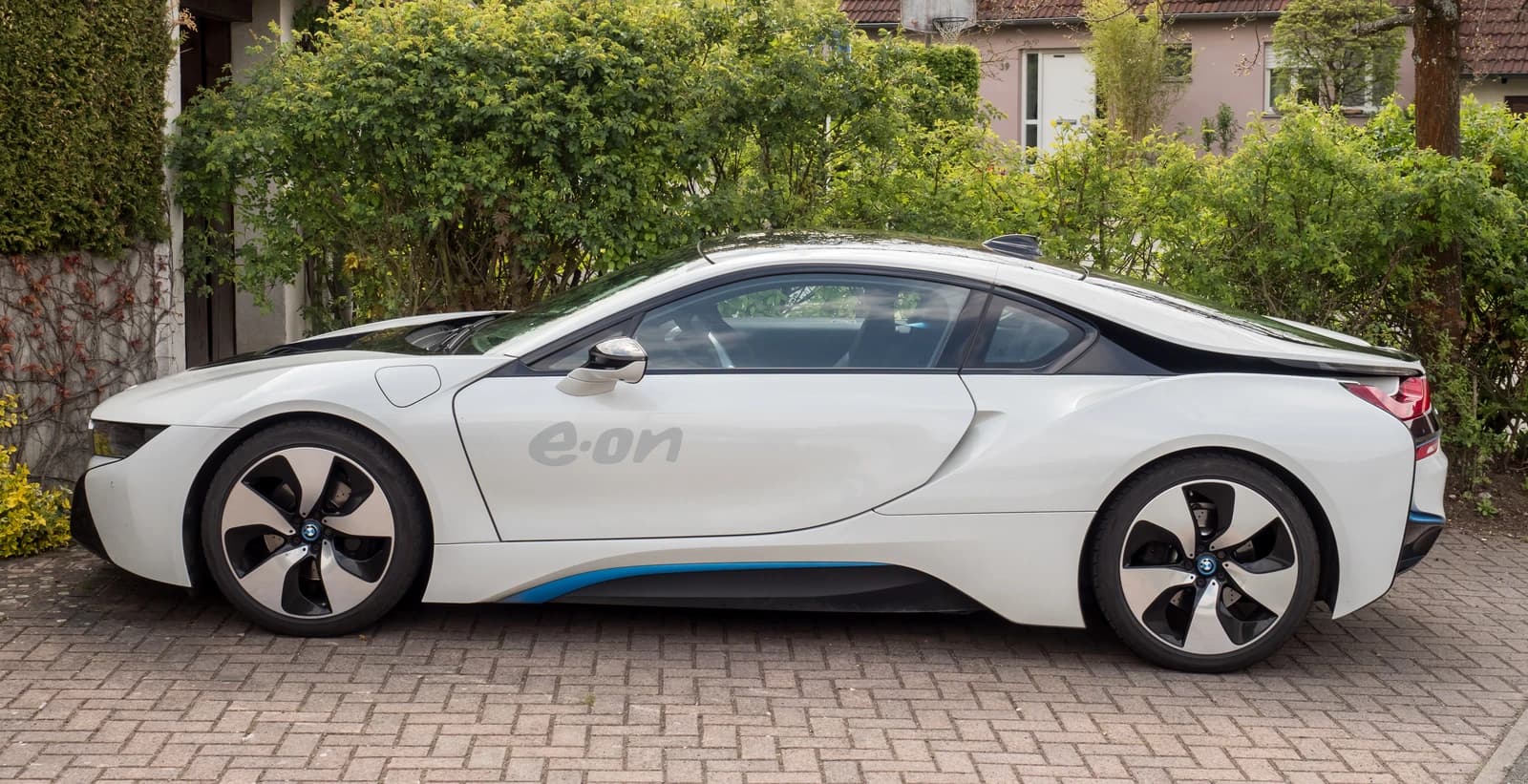
BMW is betting that its redesigned 7 Series can keep the top end of the luxury market profitable as it folds the flagship sedan into the Neue Klasse architecture and pushes deeper into premium electric and plug-in hybrid territory.
BMW 7 Series gets Neue Klasse update
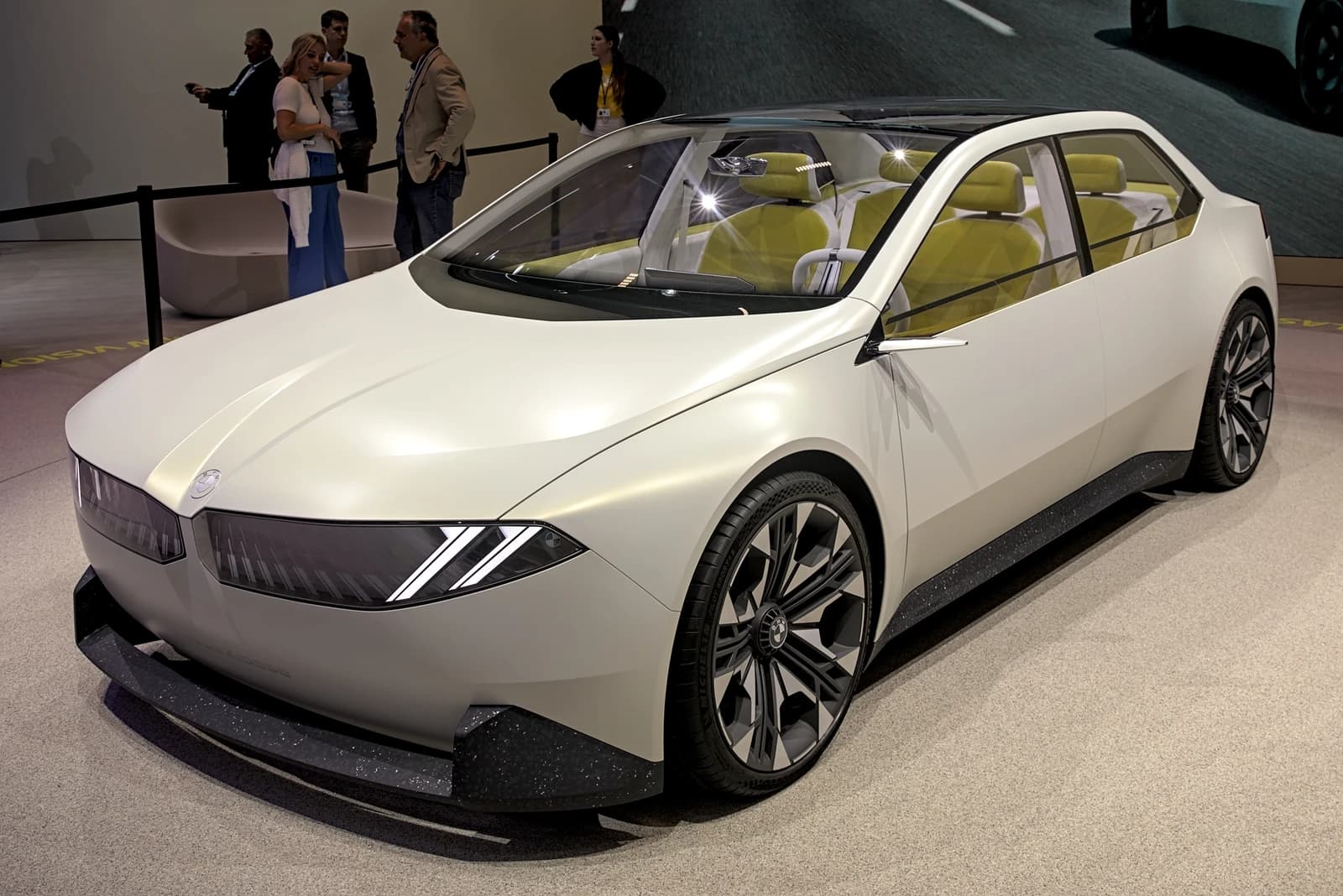
The update matters because the 7 Series sits at the intersection of margin, technology and brand. In a segment where buyers pay for newness and exclusivity, BMW is using its most expensive sedan to showcase the architecture and software stack that will underpin its next generation of cars, while also trying to defend pricing power as the industry absorbs higher battery, software and capital spending.
Sentiment Indicators
BMW said prices in Germany start at 117,900 euros for the combustion versions and 121,400 euros for the electric i7, with first cars already at dealers. The electric flagship now carries a 112.5-kWh battery and can travel more than 700 kilometers on a charge in the best case, up from the kind of range figures that have often limited large luxury EVs in long-distance use. Fast charging has been lifted to 250 kW, and BMW is introducing price-driven charging that draws power when electricity is cheapest, a small but telling move as automakers lean harder into software-enabled ownership economics.
The interior revamp is as important as the hardware. BMW has added a redesigned cockpit, reworked displays including a passenger screen, a new steering wheel and a Panoramic Vision display below the windscreen. That is the kind of cabin technology premium customers can see immediately, and it is central to BMW’s argument that luxury buyers will pay more if digital interfaces feel meaningfully differentiated.
The powertrain range shows BMW is keeping one foot in every camp. The i7 will be offered as a 50 xDrive with 455 horsepower, a 60 xDrive with 544 hp and an M70 xDrive with 680 hp. On the combustion side, the 7 Series starts as a 740 xDrive mild-hybrid with 400 hp, alongside a six-cylinder diesel and two plug-in hybrids with roughly 80 kilometers of electric range. BMW also said a pure V8 will return next year, a signal that it still sees demand for high-output combustion in the top tier even as electrification advances.
For investors, the story is less about the styling changes than about execution. BMW has to prove it can migrate its most visible flagship to the Neue Klasse era without eroding the premium position that supports returns. If the new 7 Series preserves pricing discipline and lifts EV appeal, it strengthens the case that BMW’s platform transition can be profitable, not just technologically ambitious. If demand softens or incentives rise, the company risks having to absorb more cost into a segment that is supposed to carry the brand.
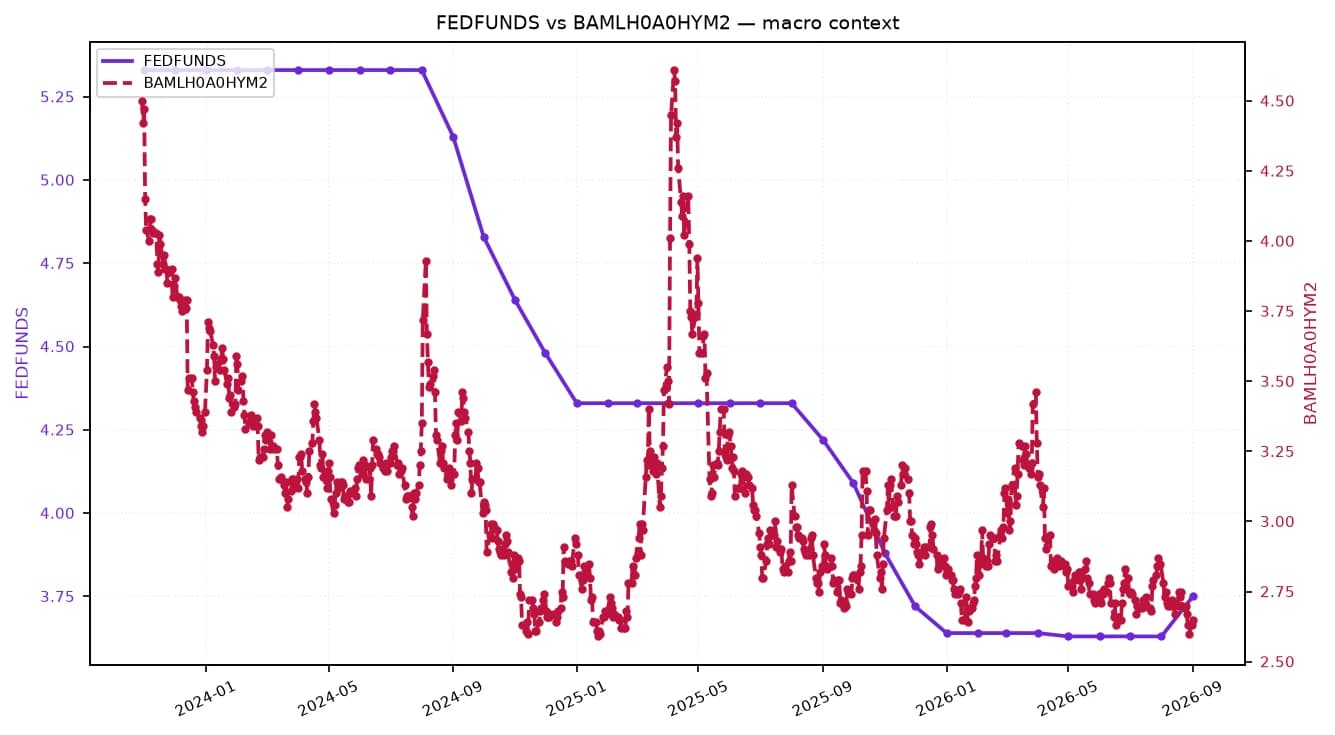
The broader backdrop is less forgiving than the product launch suggests. German and European premium carmakers are navigating weaker growth, higher funding costs and an EV market that remains uneven outside the mass market. At the same time, long-dated U.S. yields around 5% keep financing conditions tight and reinforce pressure on discretionary big-ticket purchases. In that setting, BMW’s flagship launch is a test of whether the luxury buyer still rewards innovation with enough volume and margin to justify the investment in new architectures.
For now, the message from Munich is that the 7 Series is not being treated as a legacy holdover but as a showcase for the next BMW. Investors will watch whether the model can hold its place against Mercedes-Benz and other premium rivals, while also serving as evidence that the Neue Klasse rollout can support both brand prestige and earnings resilience.
| Entity | Gains | Losses |
|---|---|---|
| BMW | ▲New platform halo; pricing power | ▼Higher rollout costs |
| BMW 7 Series buyers | ▲More range and tech | ▼Higher entry price |
| Mercedes-Benz | ▲Pressure to match luxury EV upgrades | ▼Relative flagship attention |
| Premium combustion advocates | ▲V8 return and hybrid choice | ▼Faster EV shift |