Cybersecurity is becoming a harder and more expensive problem just as AI accelerates attacks and quantum computing threatens to break today’s encryption, a combination that is forcing governments, universities and companies to rethink how critical infrastructure is defended.
Luxembourg seminar on AI, quantum and cybersecurity
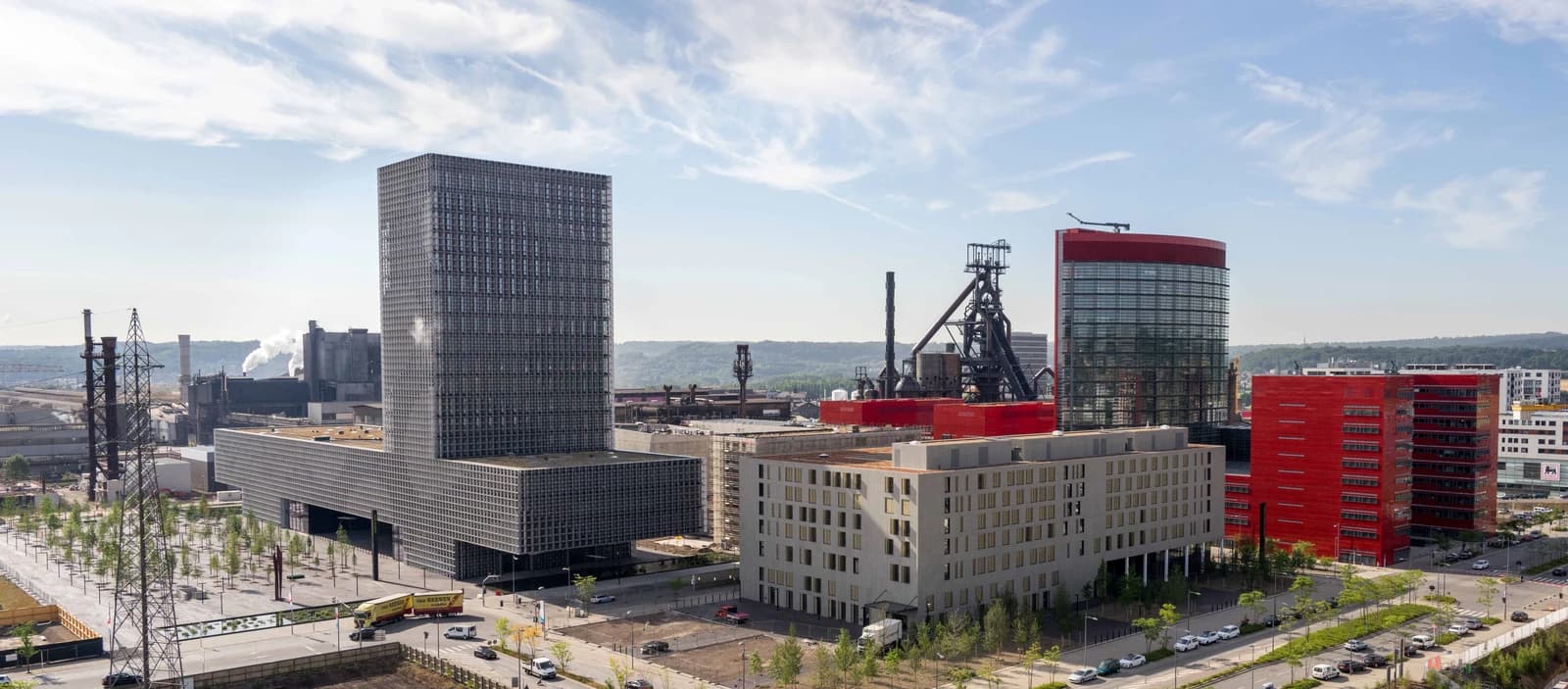
That was the message from the University of Luxembourg and the Luxembourg AI Factory at a quantum and AI seminar in Luxembourg-Kirchberg on Thursday, where speakers said the next wave of digital risk will not be limited to conventional hacking. Pascal Steichen, chief executive of the Luxembourg House of Cybersecurity, pointed to recent PHP vulnerabilities uncovered with the help of AI and said the technology had already put cybersecurity in “a revolution,” with the “AI clock” ticking.
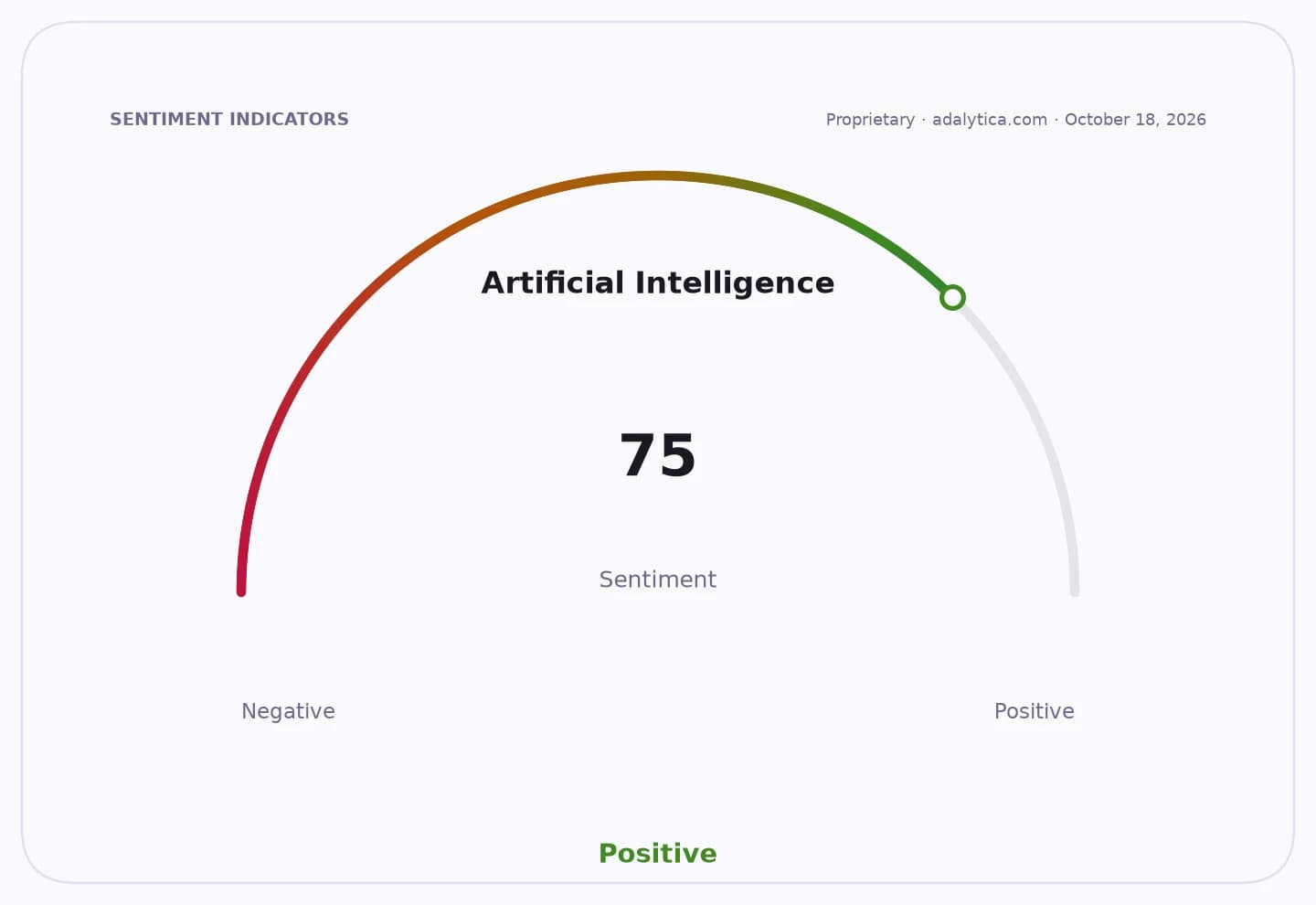
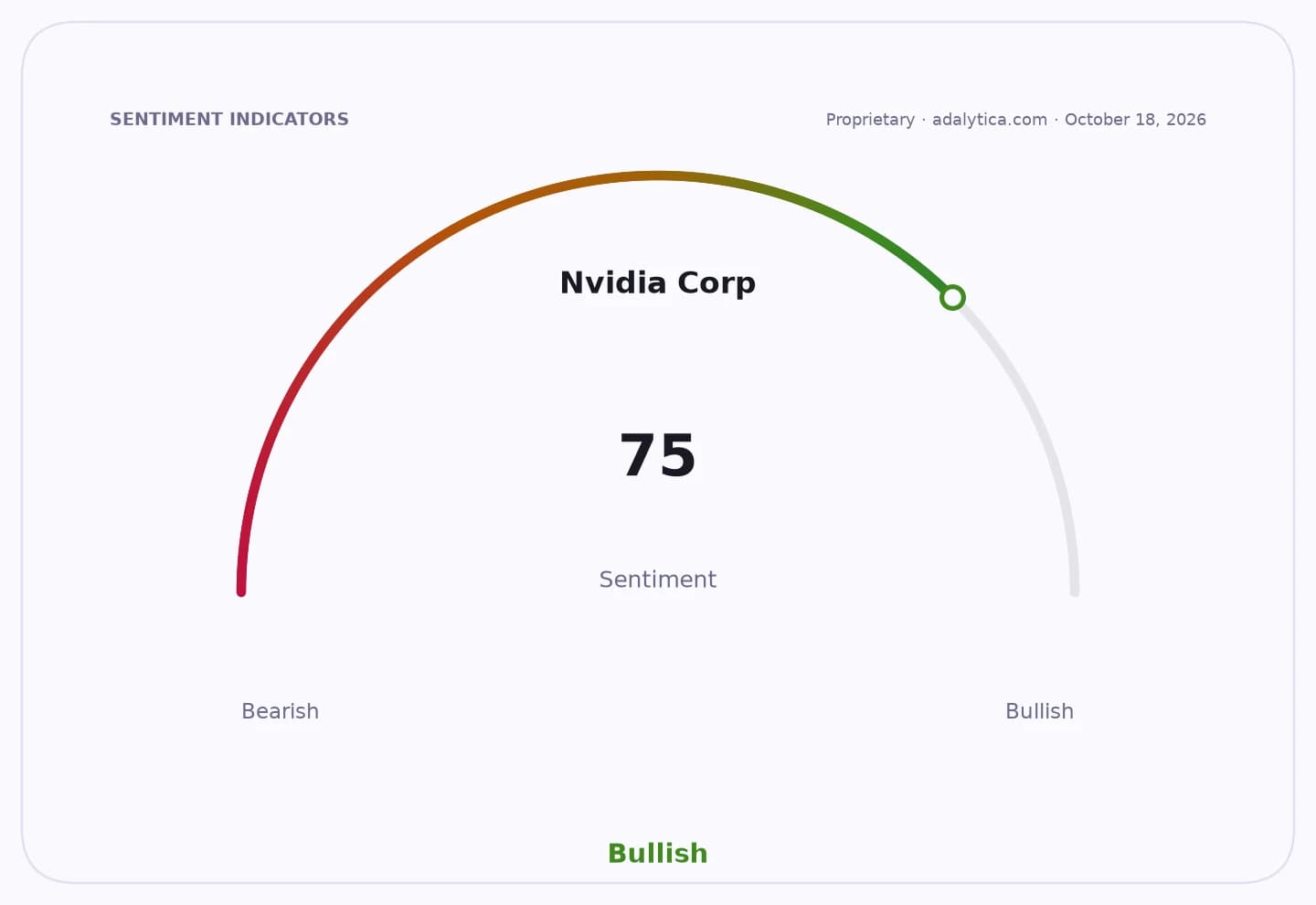
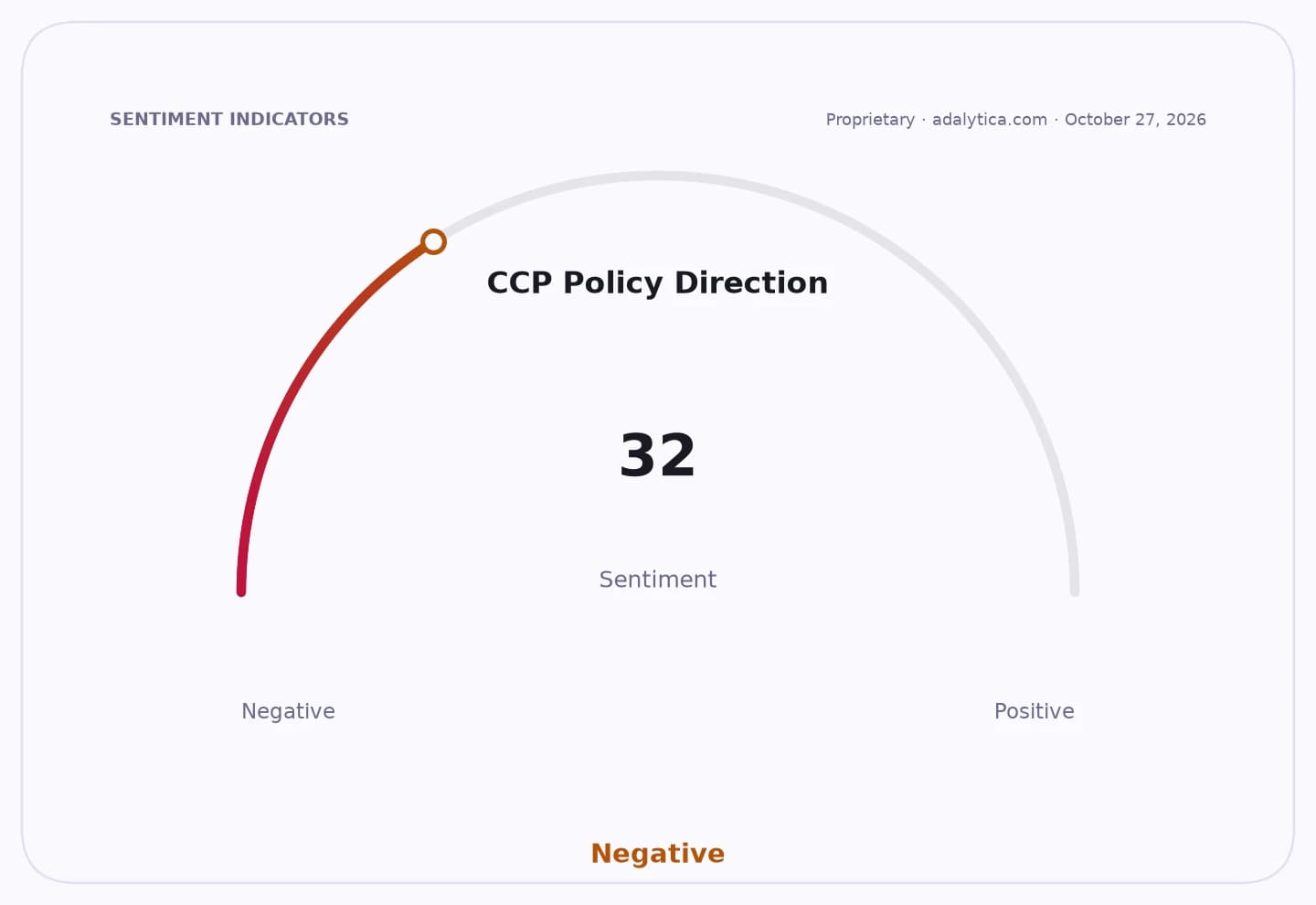
Sentiment Indicators
The bigger economic issue is that the cost curve of defense is rising faster than the tolerance for failure. AI is now being used on both sides of the fight, from ethical hacking competitions to automated vulnerability discovery, while quantum computing raises a longer-term but more structural threat: data protected today may be decryptable later. For banks, utilities, telecom operators and public agencies, that means security spending is shifting from a back-office expense to a core line item tied to resilience, compliance and sovereign control.
Vincent Lenders, a professor in cybersecurity at the University of Luxembourg, argued that legacy systems and human teams alone will not be enough to protect critical infrastructure from agentic AI attacks. His conclusion was blunt: defenders will need their own AI systems if they are to keep pace. That view matters to investors because it points to a broadening market for cybersecurity software, industrial security, identity tools and automated threat detection — especially solutions built for critical infrastructure and regulated industries.
The seminar also underscored the investment implications of Europe’s push for digital sovereignty. Rika Nakazawa of EigenQ said AI and quantum systems are becoming more heterogeneous and must be absorbed into existing infrastructure without sacrificing control or agility. Her comments reflect a wider European debate over whether the region can build enough domestic compute, photonics and quantum capacity to reduce dependence on US technology suppliers.
That is where the market opportunity sits. The next phase of AI spending is not just about model training and chips; it is about securing the stack, hardening networks and preparing for post-quantum encryption. For companies exposed to that shift — from cybersecurity vendors to cloud platforms and chipmakers building AI infrastructure — the addressable market is likely to expand as enterprises and governments move from experimentation to defense.
The signal from Luxembourg is that the quantum era is no longer a distant research topic. It is becoming an operating assumption for infrastructure owners, regulators and investors alike. The winners will be the firms that sell security, encryption and compute to a world that now has to defend against machines with machines.
| Entity | Gains | Losses |
|---|---|---|
| Cybersecurity vendors | ▲Higher demand for AI defense tools | ▼Legacy point solutions |
| Cloud and AI infrastructure providers | ▲More spending on secure compute | ▼Insecure platforms |
| European quantum startups | ▲Sovereignty-driven funding | ▼Foreign tech dependence |
| Critical infrastructure operators | ▲Better resilience if they invest | ▼Higher security costs if they delay |