BMW is betting its next wave of electric cars on a faster-charging, longer-range battery platform that could help it keep pace in a brutally competitive EV market.
BMW starts Gen6 battery production in China
The German automaker has begun producing its sixth-generation high-voltage batteries, or Gen6, in Shenyang, China, adding another major manufacturing hub as it gears up for the Neue Klasse line of electric vehicles. BMW says the new pack has about 20% higher energy density than the prior generation and can lift charging speed and driving range by roughly 30%, the kind of step-up that matters more to buyers than any marketing slogan.
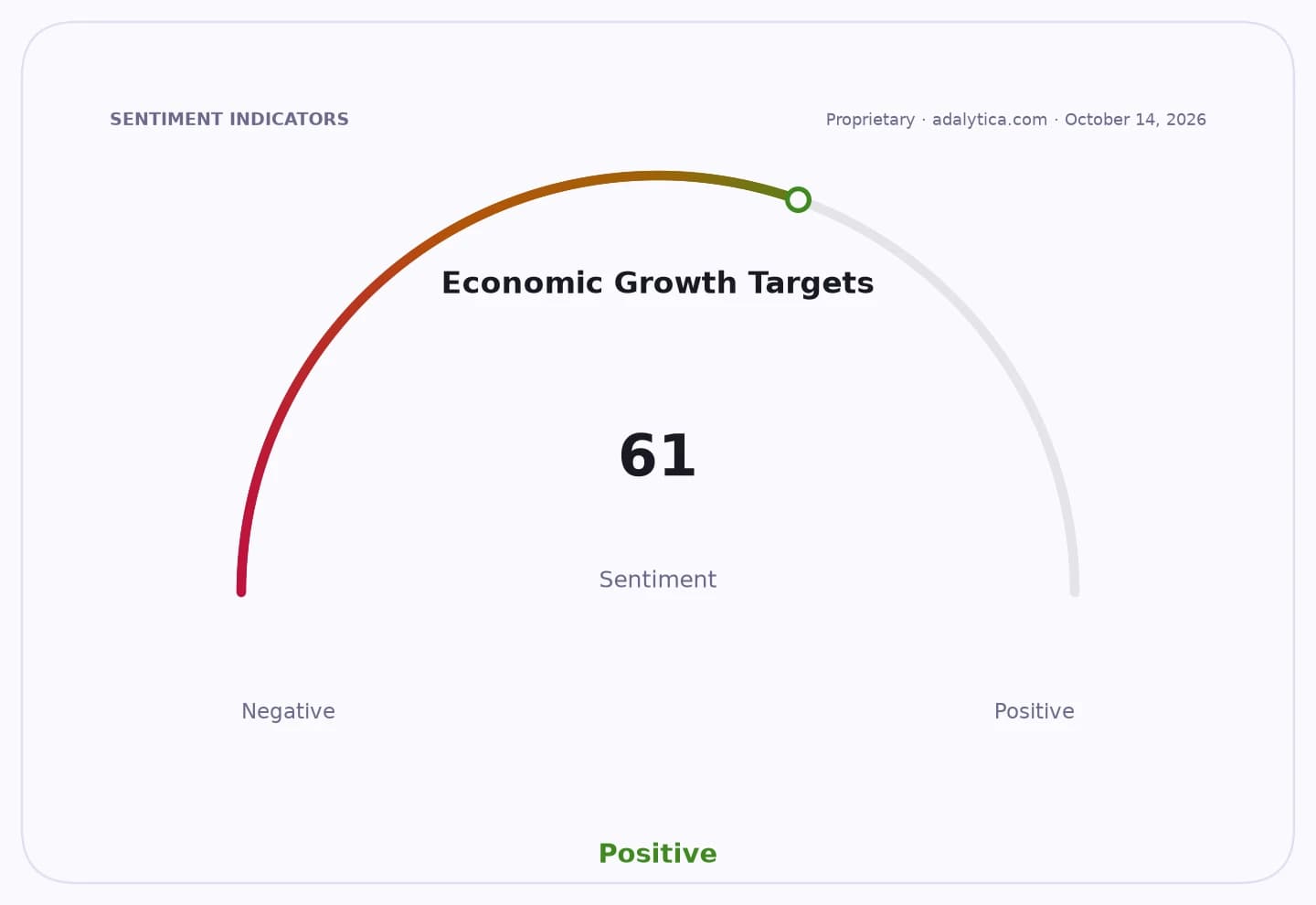
Sentiment Indicators

That upgrade goes to the heart of the EV business case. Battery performance still determines how far an electric car can go, how quickly it can recharge and how expensive it is to build. For investors, those three variables shape whether automakers can protect margins while convincing mainstream buyers to switch from gasoline vehicles. BMW’s move suggests it is pushing hard to make EVs more practical, not just more compliant with emissions rules.
The company is also changing the battery’s architecture. Gen6 uses cylindrical cells instead of the prismatic format used before, paired with an 800-volt electrical system and a cell-to-pack design that integrates cells directly into the battery housing. In plain terms, BMW is trying to squeeze more usable energy into less space while improving charging performance and manufacturing efficiency. Those are exactly the kinds of gains that can lower costs over time if they scale cleanly.
Production in China matters as much as the chemistry. Shenyang becomes BMW’s third Gen6 battery site after Debrecen in Hungary and Strasskirchen in Germany, with plans to extend the network to the U.S. and Mexico. That spread gives BMW more flexibility to serve regional markets and reduce dependence on a single supply chain, an advantage in an industry still exposed to trade friction, shipping disruptions and battery input volatility.
The batteries are already being used in the BMW iX3 and i3, with iX4 and some iX5 versions expected in early 2027. That rollout will be a key test of whether BMW can translate engineering progress into sales momentum. If the new packs deliver the range and charging gains BMW is promising, they could strengthen the case for the Neue Klasse platform and support a more durable EV lineup.
For long-term investors, the story is less about one battery plant than about execution. BMW is showing it understands that EV winners will be the companies that can combine battery performance, scale and cost discipline. The next few years will show whether Gen6 becomes a genuine competitive moat or just another expensive step in the electric arms race. For now, it is one to watch closely.
| Entity | Gains | Losses |
|---|---|---|
| BMW | ▲Stronger EV platform | ▼Higher execution risk |
| EV buyers | ▲Longer range, faster charging | ▼Still face premium pricing |
| Battery suppliers | ▲More production demand | ▼Pressure to meet quality standards |
| Rivals | ▲Technology benchmark to chase | ▼Competitive pressure on margins |