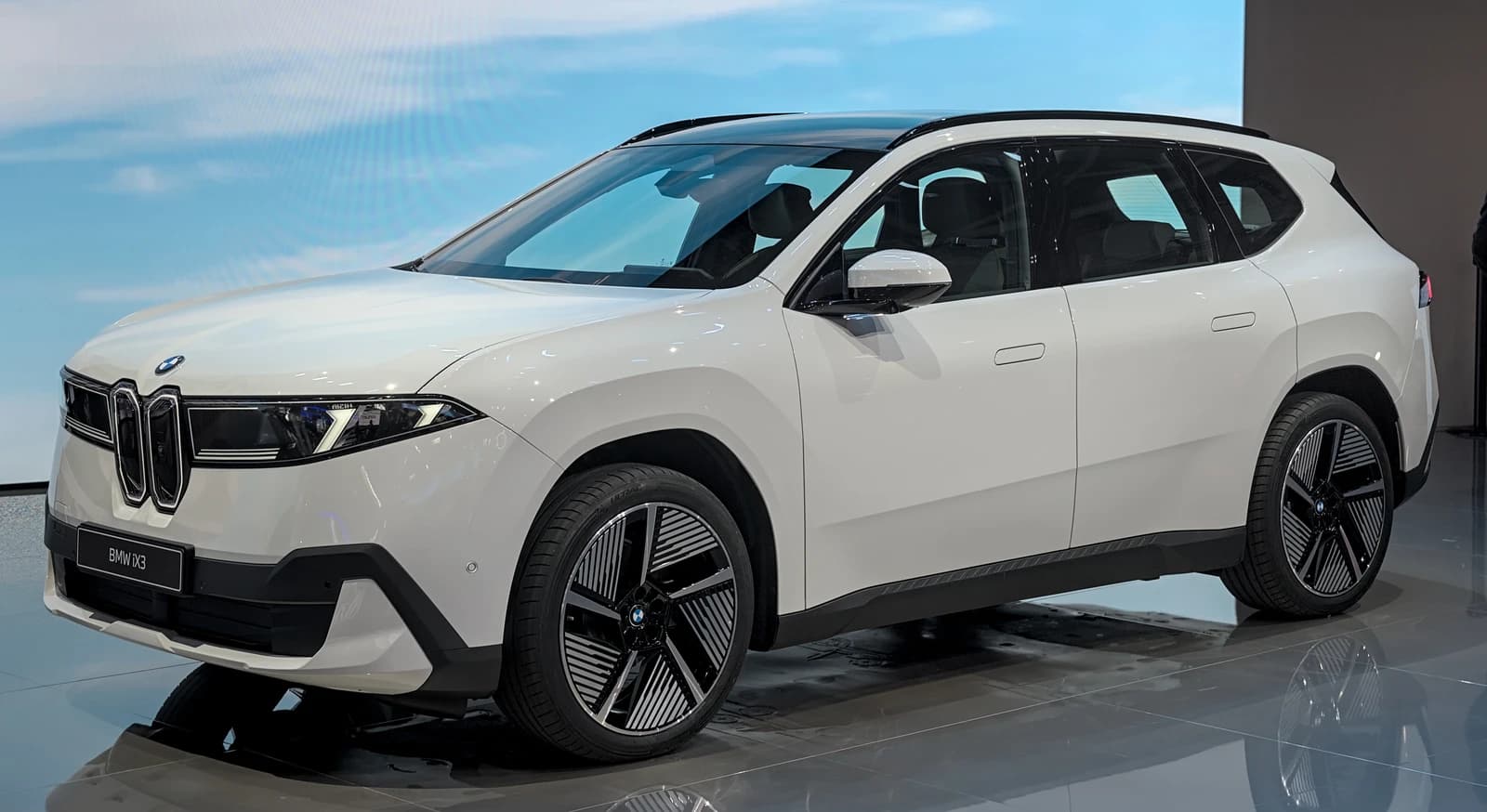
BMW is turning its Neue Klasse vision into real products, and that matters because the German carmaker is no longer talking about an electric future in the abstract — it is putting the next-generation lineup on the road, with the iX3 already launched, the i3 due next, and Alpina set to rejoin the portfolio with a first model in 2027.
BMW Neue Klasse EV rollout and Alpina relaunch

For investors, that is the kind of proof point that separates a design exercise from a long-term strategy. BMW has spent years defining a cleaner, more aerodynamic and more efficient family of vehicles, and now the company is translating that into a pipeline that spans mainstream premium EVs, higher-performance models and ultra-luxury cars. In a market where premium pricing and brand identity matter as much as battery chemistry, BMW is trying to protect margins while it electrifies.
Sentiment IndicatorsⓘProprietary · adalytica.com · September 5, 2026
This is a snapshot — live sentiment, awareness and momentum for 130+ markets update continuously in the dashboard.Open AlphaPulse
The most important signal is not just the iX3 itself, but what it says about BMW’s execution. The model is the first vehicle built around the Neue Klasse design and technical language, and the i3 will follow in March, carrying a badge that still resonates with BMW’s core customer base. That linkage matters. BMW is not trying to reinvent its identity; it is using one of its strongest historic names to make electric vehicles feel like part of the brand’s natural evolution rather than a forced break from the past.
That same logic extends to Alpina. BMW acquired the rights to the storied tuner earlier this year, and the brand is being positioned as a premium gap-filler between BMW and Rolls-Royce. Management says Alpina fills a “void” in the portfolio, and the first new model is scheduled for 2027, reportedly inspired by the 7 Series. Economically, that gives BMW another way to stretch pricing power upward in a segment where wealthy buyers often care more about exclusivity, craftsmanship and performance than about efficiency alone.
The performance side of the story is equally important. BMW’s new M Concept Neue Klasse, shown at Le Mans, suggests the company wants its electric future to remain emotionally distinctive. The concept uses four motors, aerodynamic detailing and lightweight natural-fiber components to chase both speed and efficiency. That combination is crucial in the premium EV market: range and performance are no longer separate selling points, they are the same conversation. Buyers want both, and BMW appears intent on delivering both without abandoning the sporty character that has long defined the marque.
For long-term investors, this is really a story about competitive positioning. BMW is building a broader ladder of products across price points and performance tiers just as the electric transition threatens to commoditize weaker brands. If the Neue Klasse rollout works, BMW should be better able to defend volumes, support pricing and keep customers inside its ecosystem as they move from a conventional BMW into an iX3, an i3, an M car or eventually an Alpina.
There are still risks, of course. Premium EV demand can be uneven, and luxury buyers will not pay up for electrification alone. BMW also has to execute flawlessly on software, batteries, manufacturing and brand differentiation while rivals from Tesla to Mercedes-Benz and Volkswagen fight for the same affluent customer. But the strategic direction is clear: BMW is using product depth, heritage and design to stay relevant in the next era of mobility.
For investors, the takeaway is straightforward. BMW is not just unveiling concepts; it is building a lineup that could support earnings power for years if execution holds. That makes the company worth watching as a long-term premium auto story, especially for investors who value brands with real pricing power and multiple growth engines.
| Entity | Gains | Losses |
|---|---|---|
| BMW | ▲Stronger premium lineup | ▼Higher execution risk |
| Alpina | ▲Relaunch under BMW | ▼Tuner exclusivity |
| BMW shareholders | ▲Long-term brand depth | ▼Near-term rollout costs |
| Rival premium EV makers | ▲— | ▼More competition for affluent buyers |