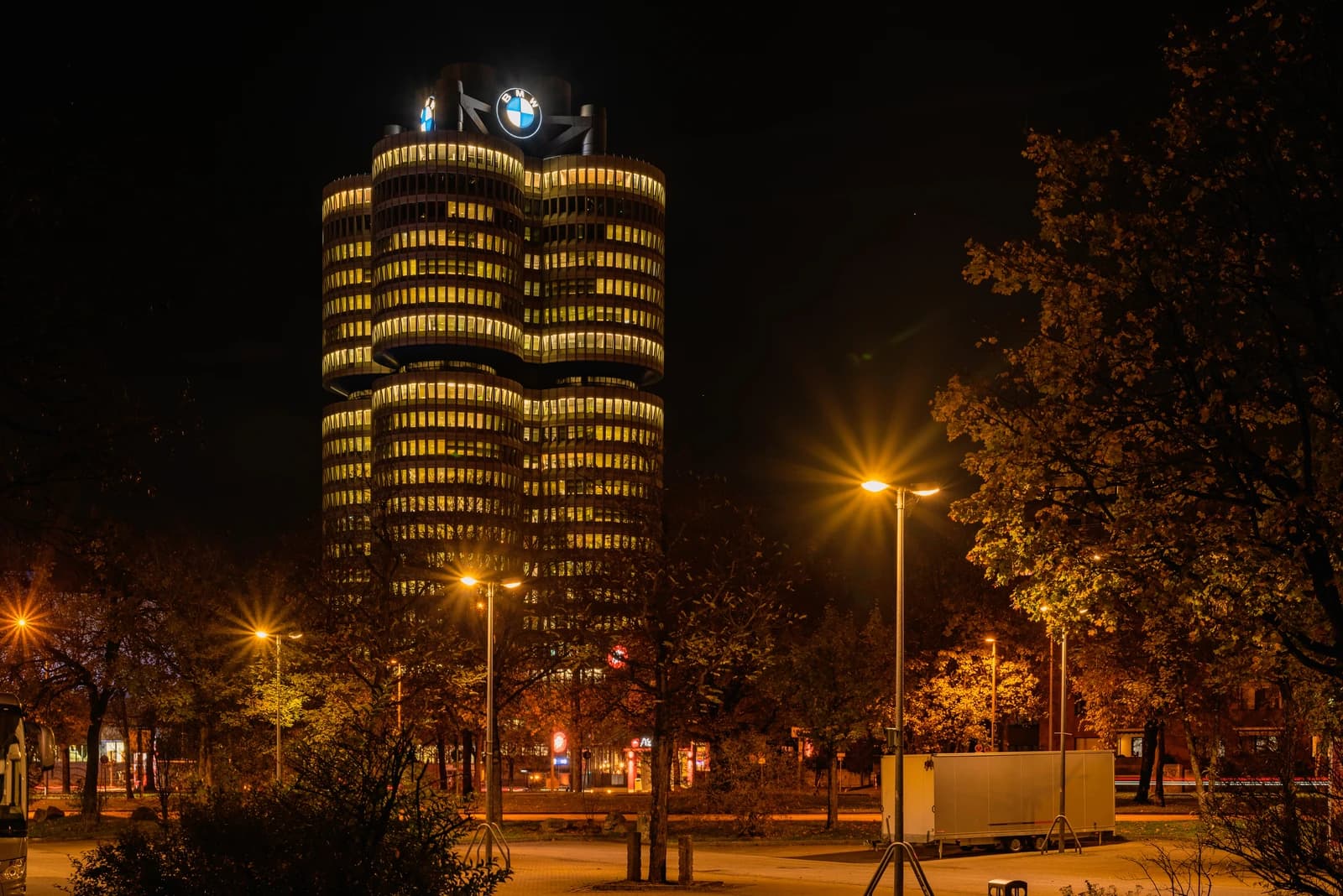
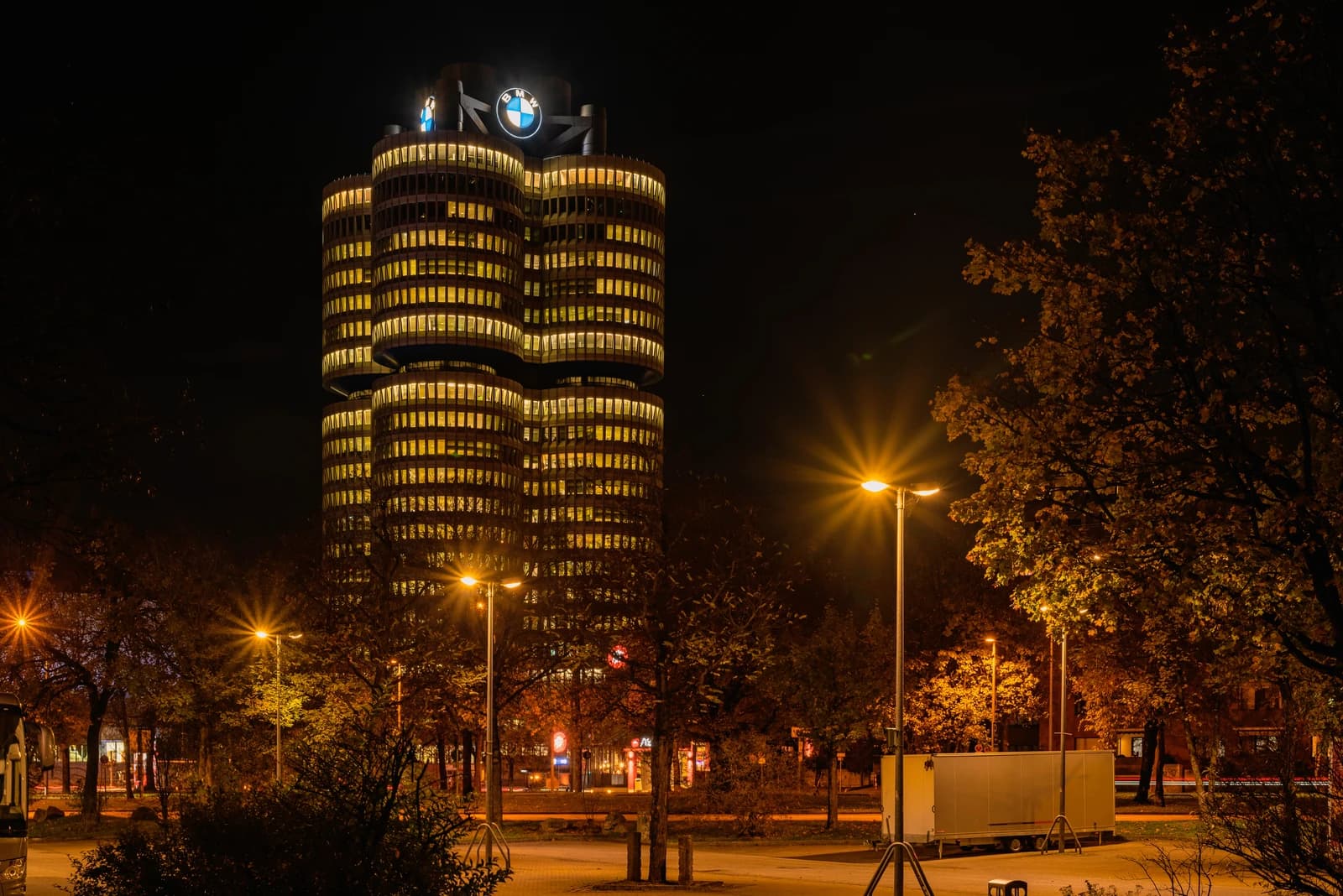
BMW is paying some European employees as much as 650,000 euros, or about R$3.6 million, to leave the company as the automaker moves faster to strip out costs and shrink its payroll without forcing mass layoffs.
BMW offers employees up to 650,000 euros to leave
The size of the offers underscores how expensive it has become for legacy carmakers to adjust their workforces while the industry absorbs weaker demand, aggressive price competition and the cost of shifting to electric vehicles. For BMW, voluntary severance is a way to hit politically and socially sensitive headcount targets while limiting the reputational damage that can come with compulsory redundancies in Germany.
The company’s plan targets 8,000 job cuts by the end of 2027, with payments varying by age, tenure and salary. Employees who leave by March 31, 2027 can also qualify for an additional “Turbo Bonus,” while those exiting by Oct. 31, 2027 can still receive the base package. BMW has already had to prioritize applications after the online portal was overwhelmed, indicating demand for the program has been stronger than management may have expected.
That demand matters for two reasons. First, it suggests BMW may be able to progress with restructuring more quickly than if it were negotiating one-by-one departures or facing labor resistance. Second, it also hints that employees themselves may see limited upside in staying with a manufacturer trying to cut costs and protect margins in a difficult market. In that sense, the severance package is not just a labor story but a signal of pressure on the operating model of a premium automaker.
Chief executive Milan Nedeljković has set a goal of cutting annual costs by 1 billion euros from 2028, with BMW aiming to lift its operating margin from 3% to 5% by then and eventually to 8% to 10% in the early 2030s. Those targets frame the severance program as part of a longer effort to reset profitability, not a one-off workforce adjustment. In the near term, the cost of the payouts will weigh on cash flow, but over time the company is betting that a leaner structure will offset that burden.
The restructuring comes as BMW faces softer demand in key markets. Global deliveries fell 6.3% in the third quarter from a year earlier, dragged by a 24.8% drop in China, even as sales rose modestly in the US and Europe. That mix matters because China has been one of the most important profit pools for global automakers; sustained weakness there raises the pressure on European production and overhead.
For investors, the key question is whether BMW can turn workforce cuts into a credible margin recovery before cyclical and competitive headwinds erode further earnings power. The bull case is that voluntary departures reduce labor friction, improve cost flexibility and support a step-up in profitability. The bear case is that generous severance packages merely buy time, while the core business still faces China weakness, electric-vehicle transition costs and a tougher pricing environment.
BMW is also planning 40 new or updated models by the end of 2027, including the new i3 and the next-generation 3 Series, suggesting management is trying to combine cost discipline with a product refresh. The next test will be whether those launches, alongside a smaller workforce, are enough to stabilize margins and restore investor confidence in a business that is still wrestling with a low-growth industrial backdrop.
| Entity | Gains | Losses |
|---|---|---|
| BMW | ▲Faster cost cuts | ▼Higher severance expense |
| Employees exiting | ▲Large cash payouts | ▼Job security |
| Remaining shareholders | ▲Potential margin recovery | ▼Near-term cash drain |
| German local economies | ▲Short-term payout spending | ▼Future payroll and tax base |