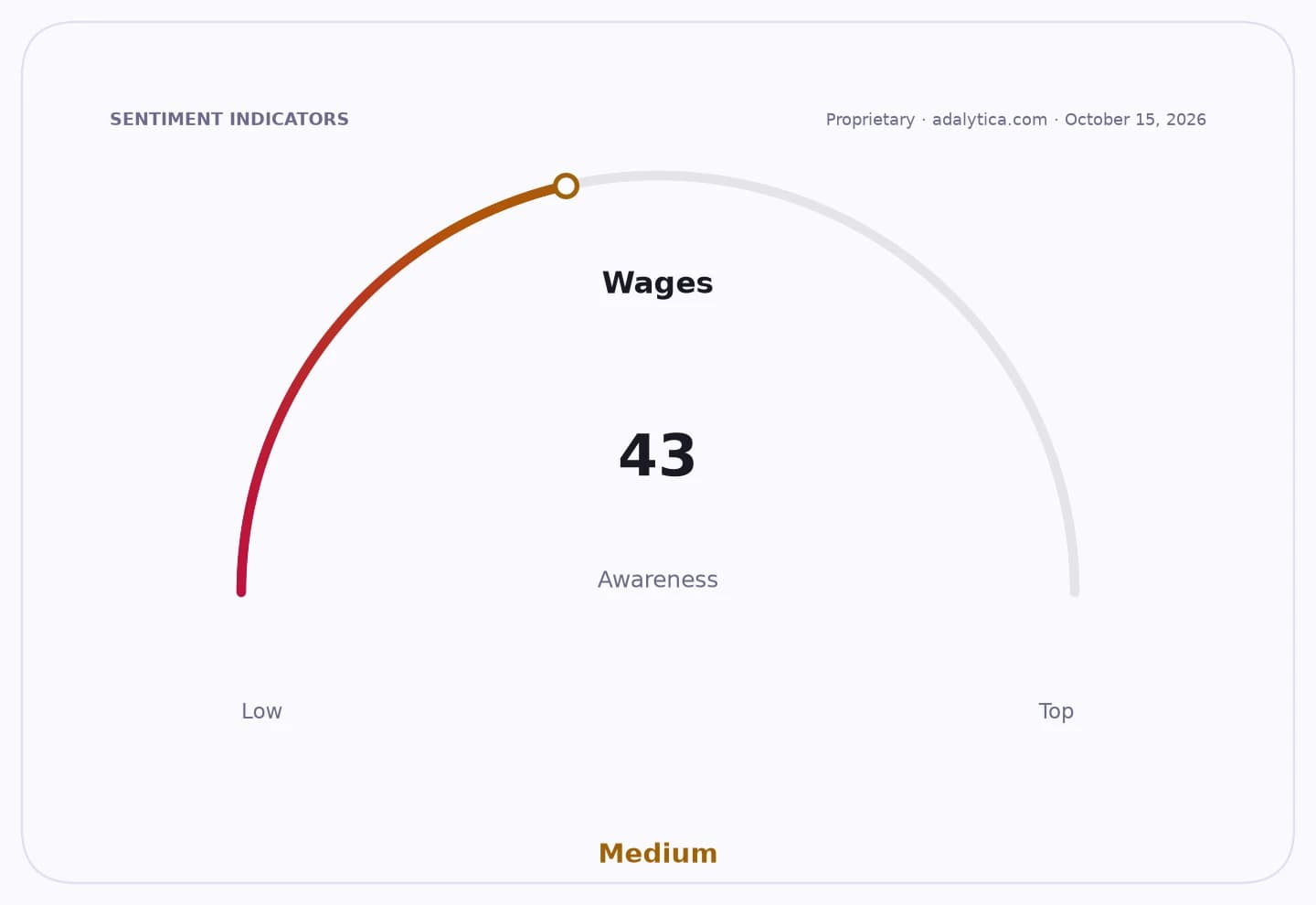
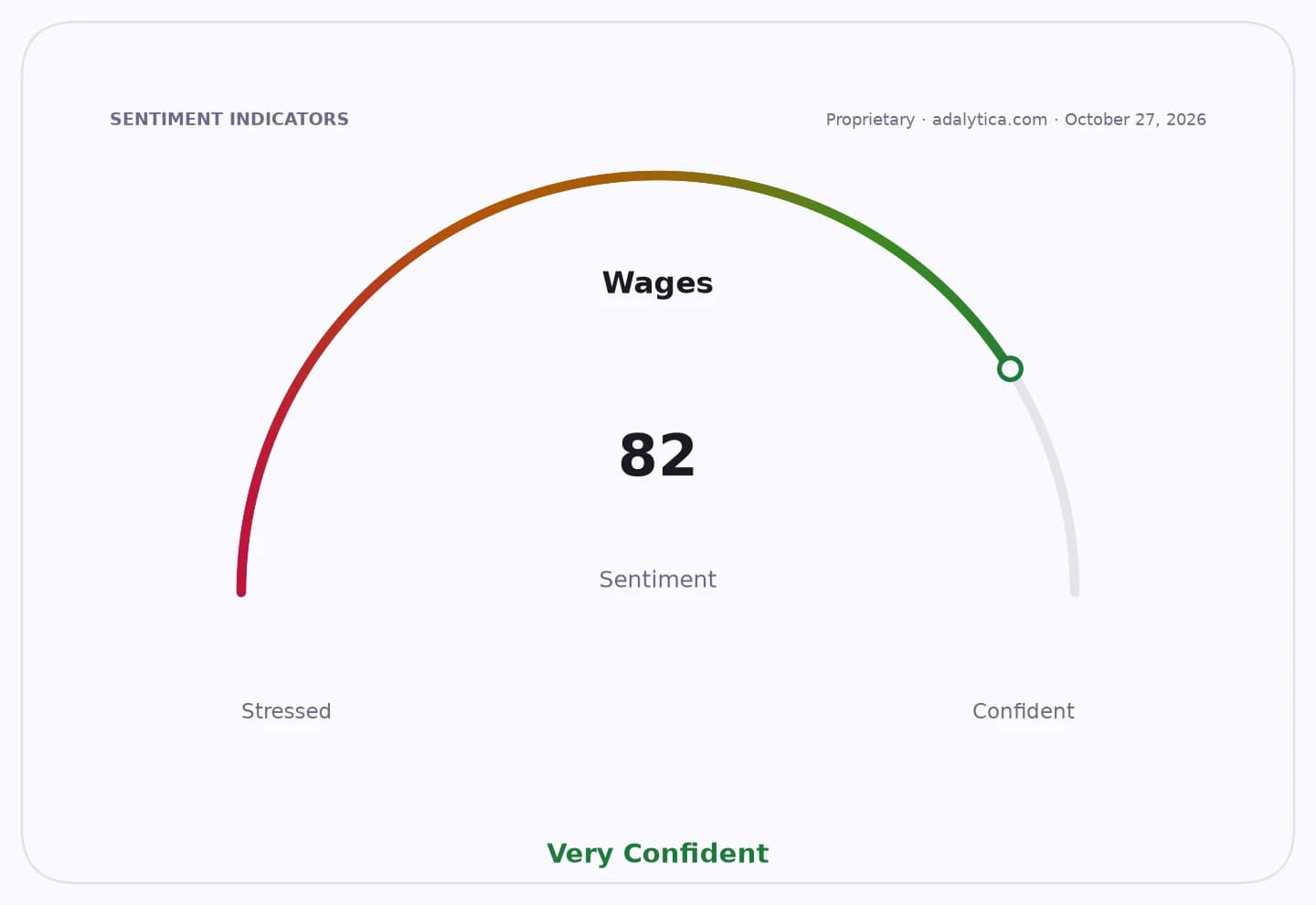
Germany’s mini-job earnings limit will rise to 633 euros a month from January 2027, and that matters because it keeps the country’s popular low-hour work model aligned with a higher statutory minimum wage rather than forcing workers and employers into a messy reset. For investors, the bigger message is that wage floors are still moving higher across Europe’s largest economy, which supports household income at the margin but also keeps labor costs under pressure for employers in retail, hospitality and services.
Germany mini-job earnings limit rises to 633 euros in 2027
The change is automatic, not political theater. Because the mini-job threshold is linked to the legal minimum wage, the ceiling will move up from 603 euros to 633 euros when the minimum wage rises to 14.60 euros an hour from 13.90 euros, according to the Minijob-Zentrale. That means a worker on the minimum wage can still put in roughly 43 hours a month without losing mini-job status.
That detail matters economically because mini-jobs are a major channel for part-time and flexible work in Germany. The system is designed to preserve low-bureaucracy employment while protecting workers from drifting below the legal wage floor. When the wage floor rises, the earnings cap rises too, which helps keep that balance intact. In plain English: if hourly pay goes up, the number of hours someone can work before crossing the cap should not be penalized.
The annual earnings limit will also rise, to 7,596 euros in 2027. That gives workers some flexibility to earn more in a few months and less in others without automatically exiting the mini-job regime, as long as the average stays within the rules. Occasional overruns can still be tolerated in limited cases, such as when someone covers for an absent colleague. But regular overshooting would push the job into social-insurance territory.
For employers, the change is a reminder that labor costs are becoming less static. Higher minimum wages usually help consumption by supporting pay packets, but they can also squeeze margins in sectors that rely on a lot of low-paid, part-time labor. That is why investors should watch German consumer-facing businesses and labor-intensive service providers closely over the next several years, especially if wage policy continues to edge higher while growth remains uneven.
The broader investment takeaway is simple: this is not just an administrative tweak. It is another sign that Germany is nudging up the floor under earnings, which can support spending power but also keep pressure on profitability. Long-term investors should view that as a structural trend to factor into wage-sensitive sectors, not a one-off headline worth forgetting next week.
| Entity | Gains | Losses |
|---|---|---|
| Mini-job workers | ▲Higher pay cap | ▼None immediately |
| Employers in services | ▲More labor flexibility | ▼Higher wage bill |
| German households | ▲Better income support | ▼Potential price pass-through |
| Low-margin retailers | ▲Stable staffing rules | ▼Margin pressure |