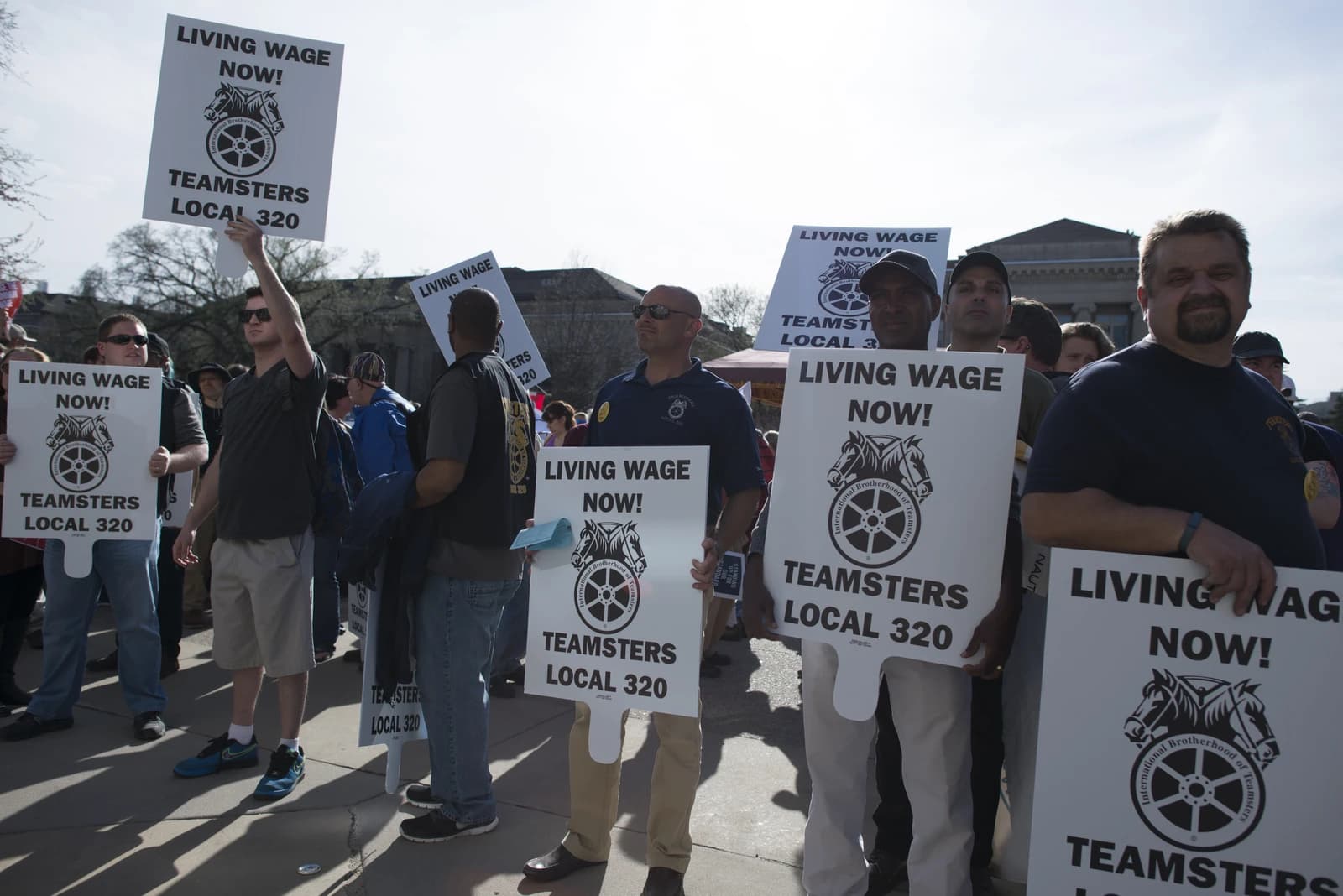
Turkey’s next minimum wage round is shaping up less as a simple headline increase than as a test of how far policymakers can push labor income support without damaging hiring, margins and price stability.
Turkey minimum wage subsidy rises in 2027 budget
The clearest new signal is in the 2027 budget, where Vice President Cevdet Yılmaz said the tax exemption subsidy tied to the minimum wage has been increased. That matters because in Turkey, the real cost of lifting the wage floor is not only the gross pay check, but also the tax and social-security burden carried by employers and the net income workers actually take home. By expanding the exemption, Ankara is effectively trying to engineer a higher effective wage without forcing the full adjustment onto companies’ balance sheets.
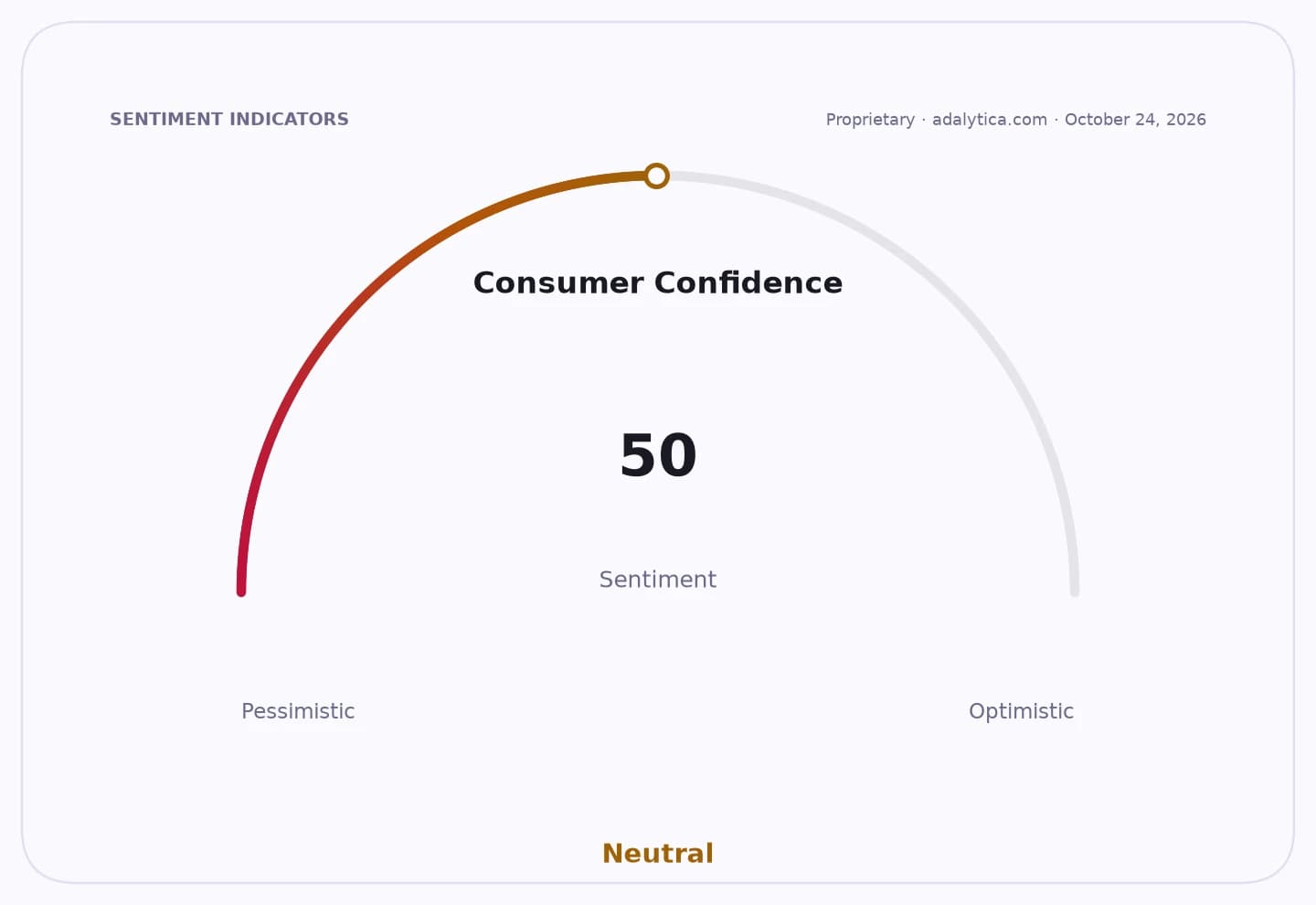
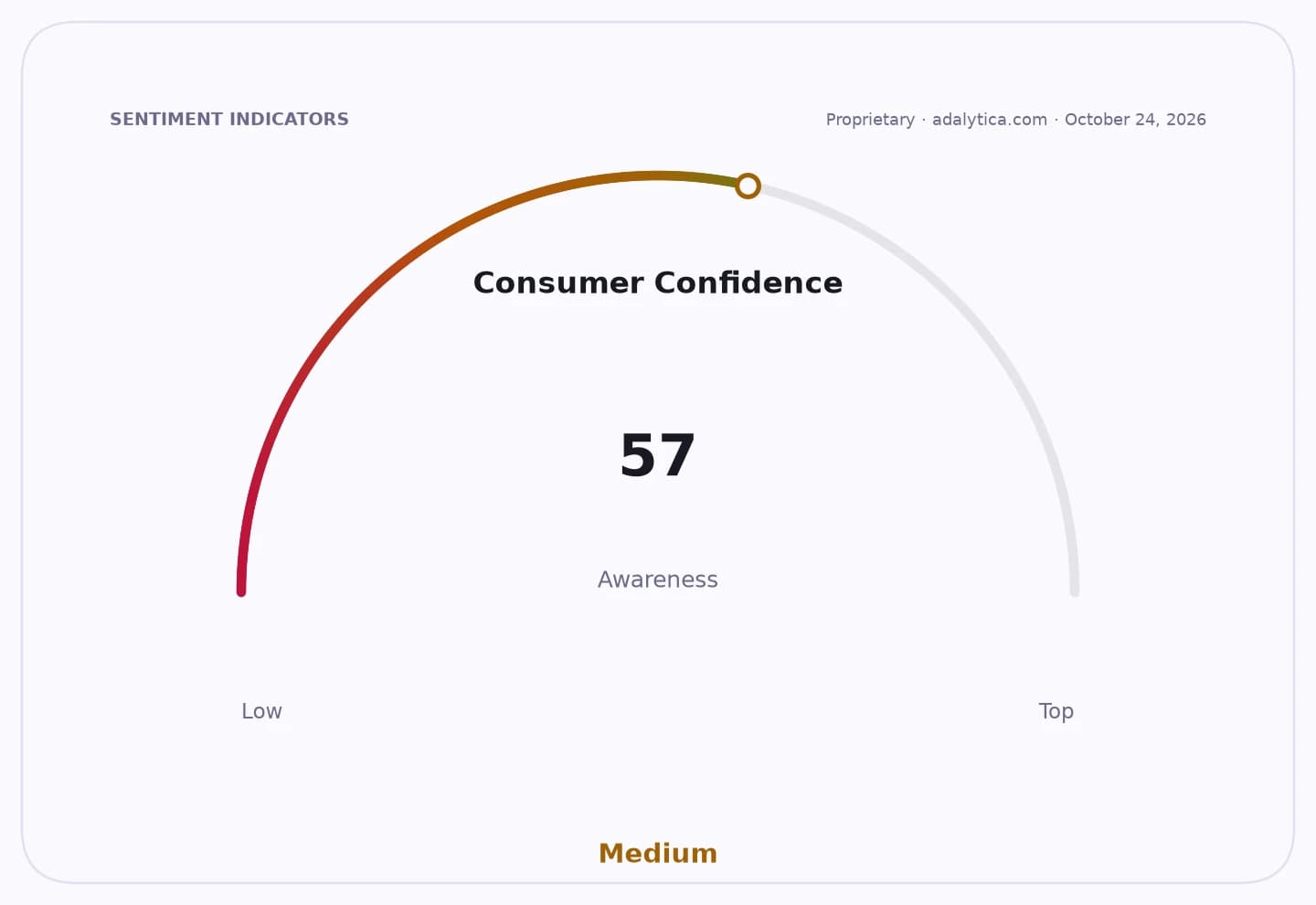
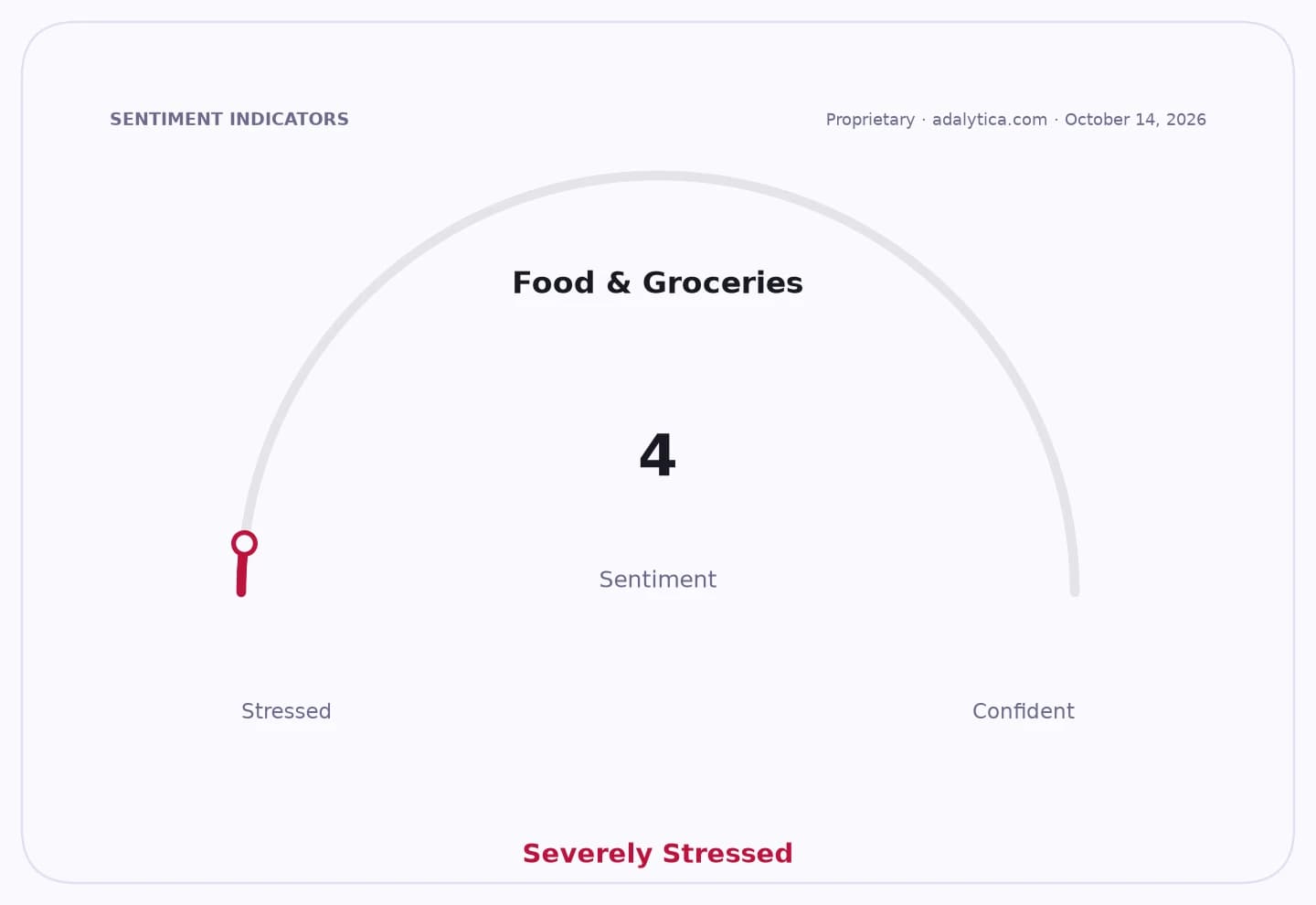
Sentiment Indicators
That approach reflects the same tension running through minimum wage debates globally: protect purchasing power and social stability, but avoid reigniting wage-driven inflation or squeezing labor-intensive sectors. In Turkey’s case, the stakes are especially high because minimum wage changes feed quickly into consumer prices, retail demand and employment decisions. A larger tax subsidy can soften the blow for employers, but it also implies a bigger fiscal commitment at a time when governments are trying to keep budgets credible.
For investors, the message is that the next wage decision is not just a labor-policy story — it is a margin story. Retailers, restaurants, delivery platforms and consumer-facing businesses are on the front line of any minimum wage hike, while workers should see support land more quickly if the tax shield is widened. The likely outcome is a compromise package: a larger net wage than firms might otherwise absorb, funded partly through the state rather than purely through corporate payrolls.
That is why the market should focus less on the nominal wage number and more on the structure of the settlement. A bigger exemption can preserve hiring and limit pressure on small businesses, but it also tells you the government is prioritizing household income ahead of a clean fiscal pass-through. If the 2027 budget is the first clue, the final wage decision will probably be framed as a social relief measure with built-in business support — a setup that favors consumption over payroll shock, and keeps the minimum wage at the center of Turkey’s macro and equity story.
| Entity | Gains | Losses |
|---|---|---|
| Workers | ▲Higher net pay | ▼Slower real gains if inflation stays sticky |
| Employers | ▲Lower payroll shock | ▼Still face higher labor costs |
| Government | ▲Social stability | ▼Larger fiscal burden |
| Consumer-facing firms | ▲Softer demand hit | ▼Margin pressure from wage pass-through |