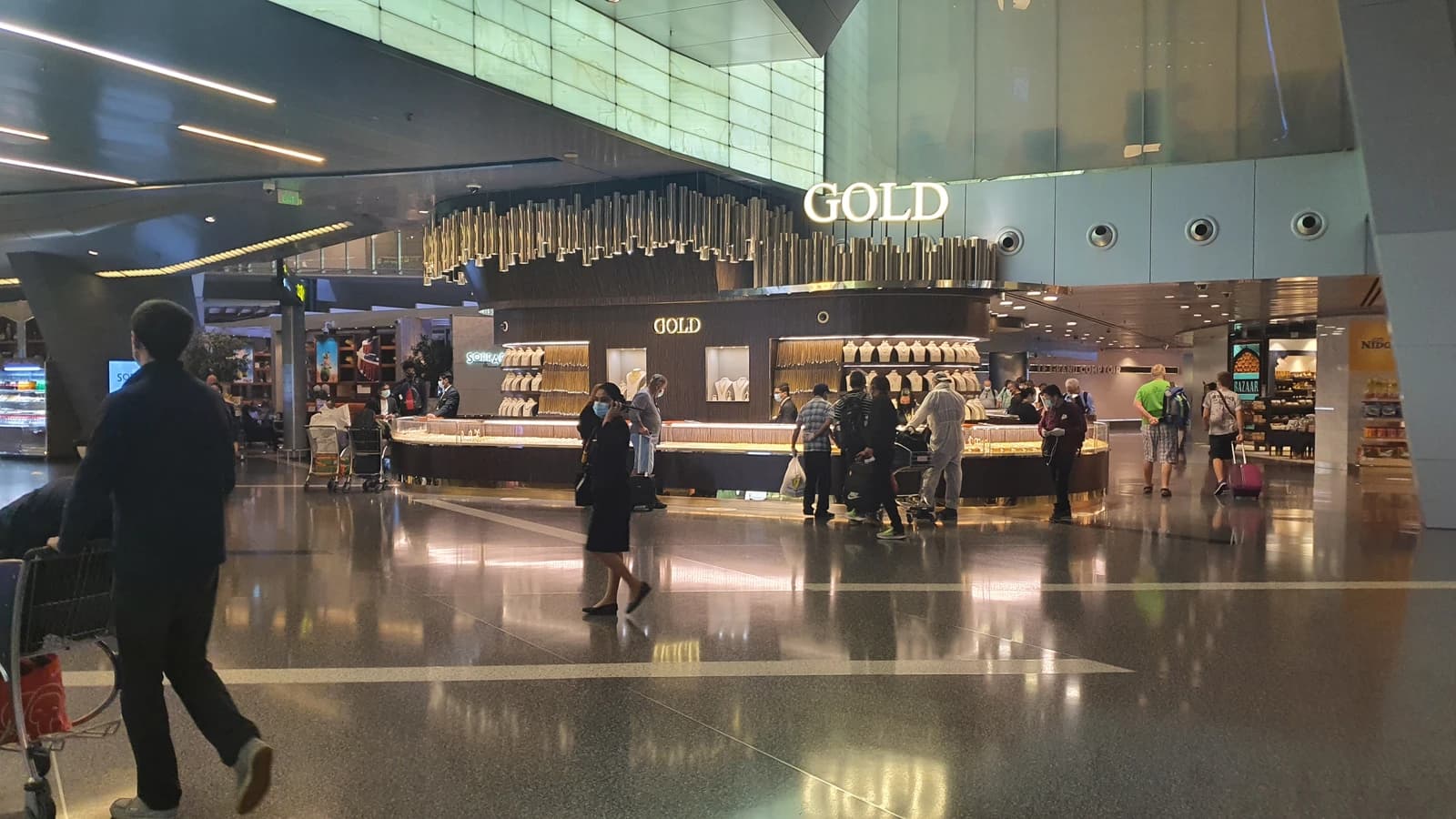
BNR Gold & Diamonds is using the July 24 opening of its most prominent showroom in Visakhapatnam to press a simple commercial edge: offer more gold for the same spend by keeping depreciation, or wastage, low.
BNR Gold & Diamonds opens Visakhapatnam showroom

That pitch matters because jewellery demand is not just a luxury trade in India; it is a household balance-sheet decision shaped by trust, resale expectations and price transparency. In a market where buyers are increasingly sensitive to making charges, cutting loss and purity, a retailer that can credibly promise lower wastage can preserve margins by winning volume rather than discounting price.
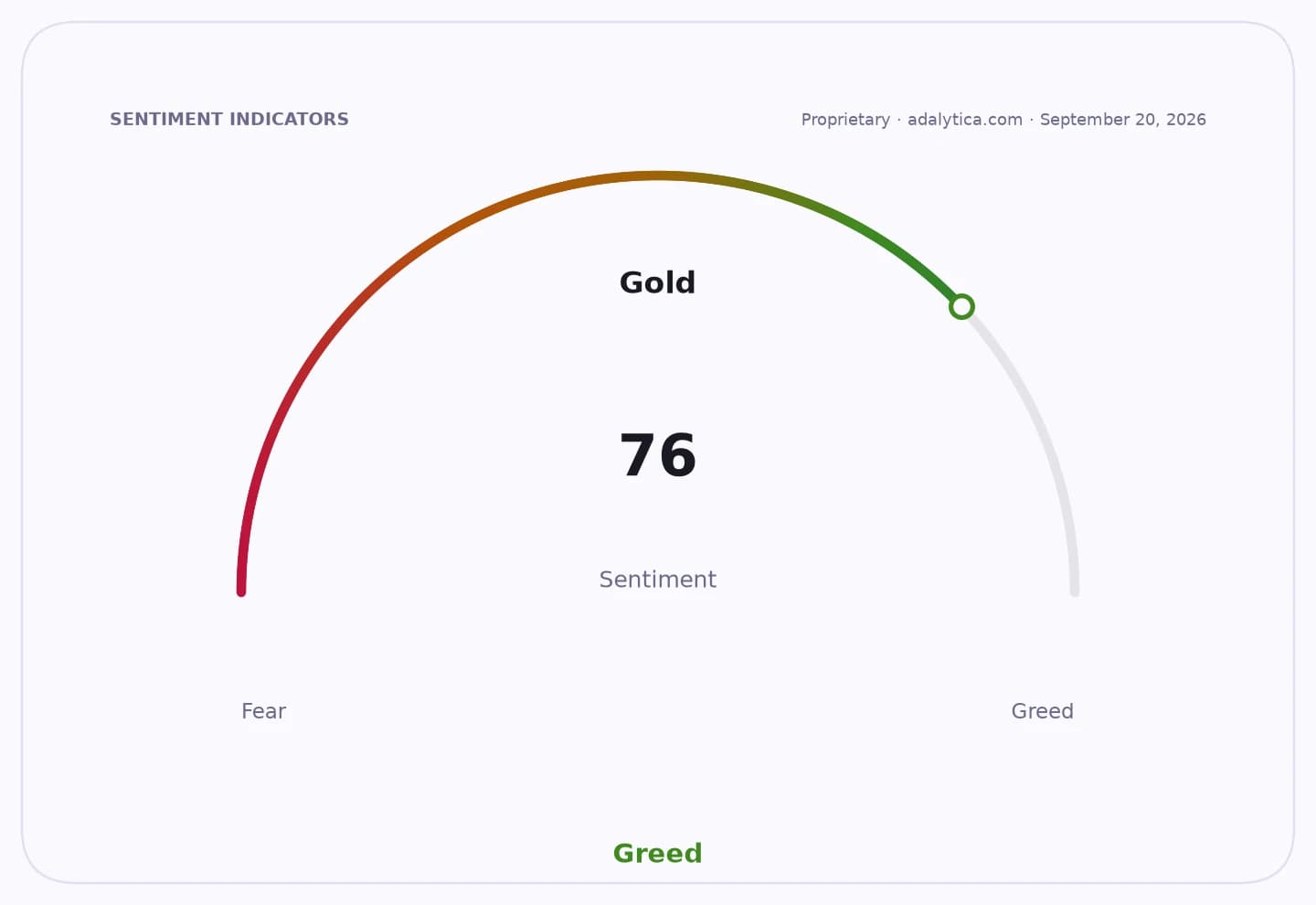
Sentiment IndicatorsⓘProprietary · adalytica.com · September 8, 2026
This is a snapshot — live sentiment, awareness and momentum for 130+ markets update continuously in the dashboard.Open AlphaPulse
Founder Rohith said the company’s “lower wastage, more gold” line is not a marketing slogan but its operating principle, adding that no customer has complained about excessive wastage so far. For consumers, that translates into a better effective price on everything from small nose pins to large bridal sets. For BNR, it is a way to differentiate without competing purely on headline gold rates.
The timing also fits a broader safe-haven backdrop. Gold has been volatile but resilient, supported by caution ahead of Federal Reserve decisions and key U.S. data. The SPDR Gold Trust, or GLD, has recently traded above its 50-day moving average, while Adalytica’s Gold Fear & Greed Index remains in “Fear” territory at 19, suggesting investors are still leaning toward caution even after a rebound. U.S. 10-year Treasury yields around 4.8% keep the opportunity cost of holding bullion elevated, but they have not stopped demand from re-emerging when macro uncertainty rises.
For jewellery retailers, that matters because softer sentiment around paper assets and currencies often feeds through to physical gold buying. The US dollar’s recent strength helps explain why buyers remain price conscious, but it also underscores why bullion-backed purchasing decisions can stay firm when households want an inflation hedge. BNR is trying to turn that macro support into store traffic and repeat demand.
The Visakhapatnam expansion is also a scale statement. BNR has operated for roughly 27 years and already runs two showrooms each in Vijayawada and Bengaluru. Adding a fifth showroom in Vizag extends its reach into a city management describes as emotionally important and commercially under-served at the premium end.
That opens two competing investor readings. The bull case is that BNR is building a trusted regional brand in a category where credibility, not just design, drives conversion and where customer retention can compound over time. The bear case is that jewellery retail remains highly competitive, with working capital needs, inventory risk and price sensitivity limiting the durability of any single branding advantage.
Still, the core narrative is clear: BNR is betting that transparent pricing and lower wastage can convert a volatile gold market into a growth opportunity. If the Vizag showroom lands as intended, the company will have strengthened both its regional footprint and its claim to be a value-led premium jeweller at a time when consumers are scrutinising every gram.
| Entity | Gains | Losses |
|---|---|---|
| BNR Gold & Diamonds | ▲Regional brand expansion | ▼Competitive pricing pressure |
| Vizag customers | ▲Lower wastage, more value | ▼Limited alternative premium choices |
| Existing rivals | ▲Higher scrutiny on pricing | ▼Share of premium jewellery demand |
| Gold buyers | ▲Safe-haven demand support | ▼Higher volatility, high yields |