Boeing’s latest 737 MAX production hiccup matters because it pushes out the company’s most important profit engine just as investors are looking for steadier cash generation and less execution risk.
Boeing 737 MAX Wing Bottleneck Slows Output Ramp
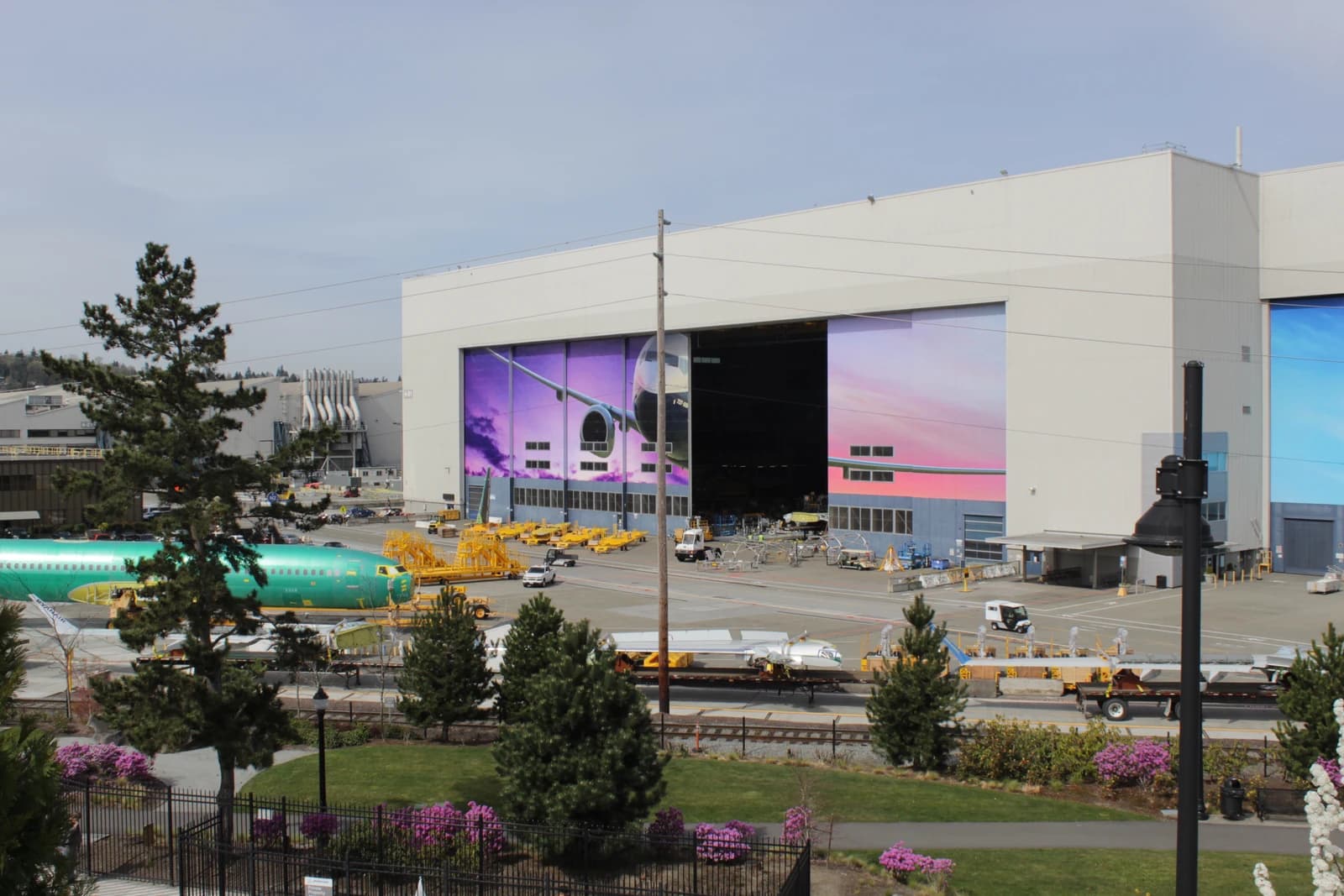
Shares of Boeing fell nearly 2% in afternoon trading after Chief Executive Kelly Ortberg said the jetmaker is still working through bottlenecks in wing production at its Renton factory, which has become a constraint as output reaches about 47 MAX jets a month. For a company that has spent years trying to restore manufacturing discipline and normalize deliveries, even a single supplier or factory constraint is enough to remind Wall Street that Boeing’s turnaround still runs through the factory floor, not the slide deck.
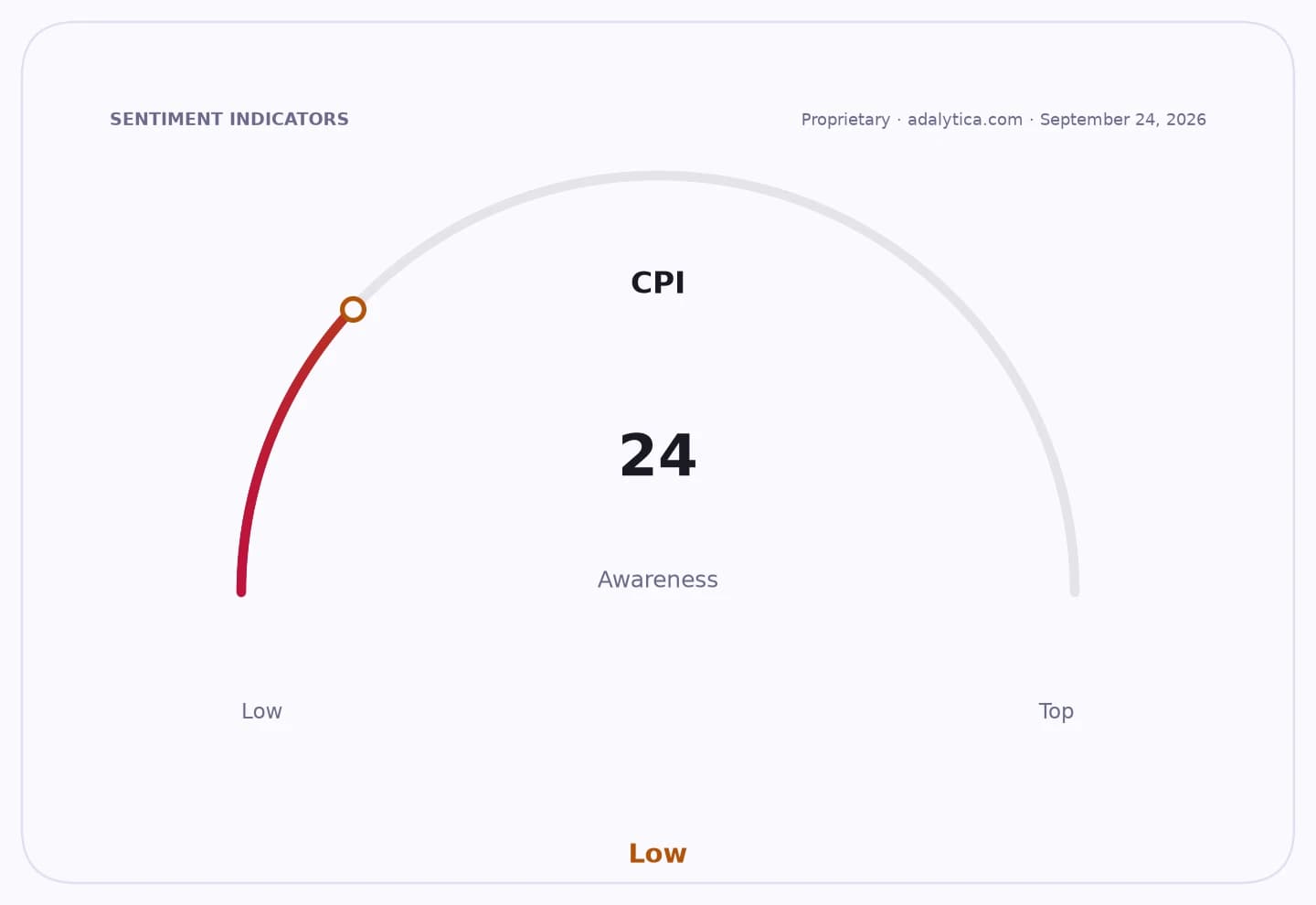
Sentiment IndicatorsⓘProprietary · adalytica.com · September 19, 2026
This is a snapshot — live sentiment, awareness and momentum for 130+ markets update continuously in the dashboard.Open AlphaPulse
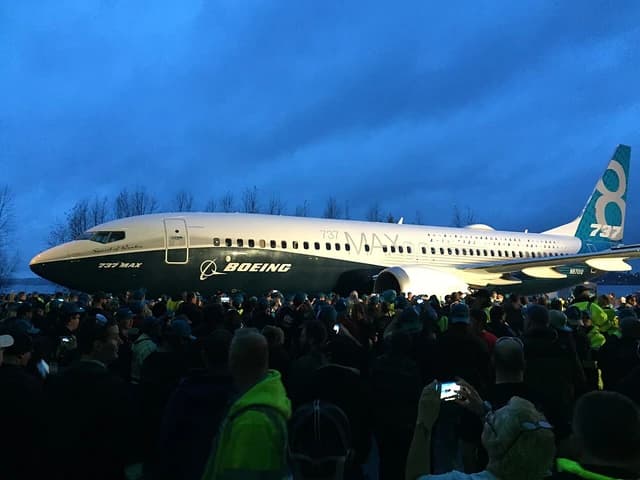
That is why the issue matters economically. Boeing is trying to lift 737 MAX production after the FAA has kept pressure on the company and after years of delivery disruptions, quality problems and regulatory scrutiny. Every delay in stabilizing the line affects deliveries, working capital and free cash flow, while also keeping pressure on margins in a business that needs higher throughput to absorb fixed costs. The stock’s roughly 6.35% decline over the past year shows investors are still assigning a discount to that execution risk.
Ortberg said Boeing has a plan to boost wing output, but declined to spell it out. He also said certification of the MAX 10 would come “very soon,” a reminder that the market is still waiting for the company to convert backlog into revenue with less friction. The longer that takes, the more Boeing risks losing the operating leverage that should come from a healthier production system.
There was one offset in the background: GE Aerospace said redesigned GE9X mid-seals should not hold up the 777X, with FAA certification expected in the next few months and new engines already shipping. That helps ease one source of concern for Boeing’s wide-body pipeline, but it does not change the near-term investment case. For shareholders, the key question remains whether Boeing can keep lifting output on the 737 MAX without tripping over the supply chain and certification issues that have repeatedly delayed the rebound.
The market is still treating Boeing as a turnaround story, but the better framing is that it is a cash-flow recovery story that depends on manufacturing reliability. If the company can clear the wing bottleneck and keep the FAA comfortable with higher rates, upside could come quickly from deliveries, margin expansion and sentiment rerating. If not, every production setback will keep BA trading like a recovery that is not yet complete.
| Entity | Gains | Losses |
|---|---|---|
| Boeing suppliers | ▲higher orders if ramp holds | ▼disruption from bottlenecks |
| Boeing shareholders | ▲upside from smoother deliveries | ▼more delay risk |
| GE Aerospace | ▲cleaner 777X path | ▼little direct downside |
| Airlines waiting for jets | ▲eventual capacity gains | ▼slower aircraft handoffs |