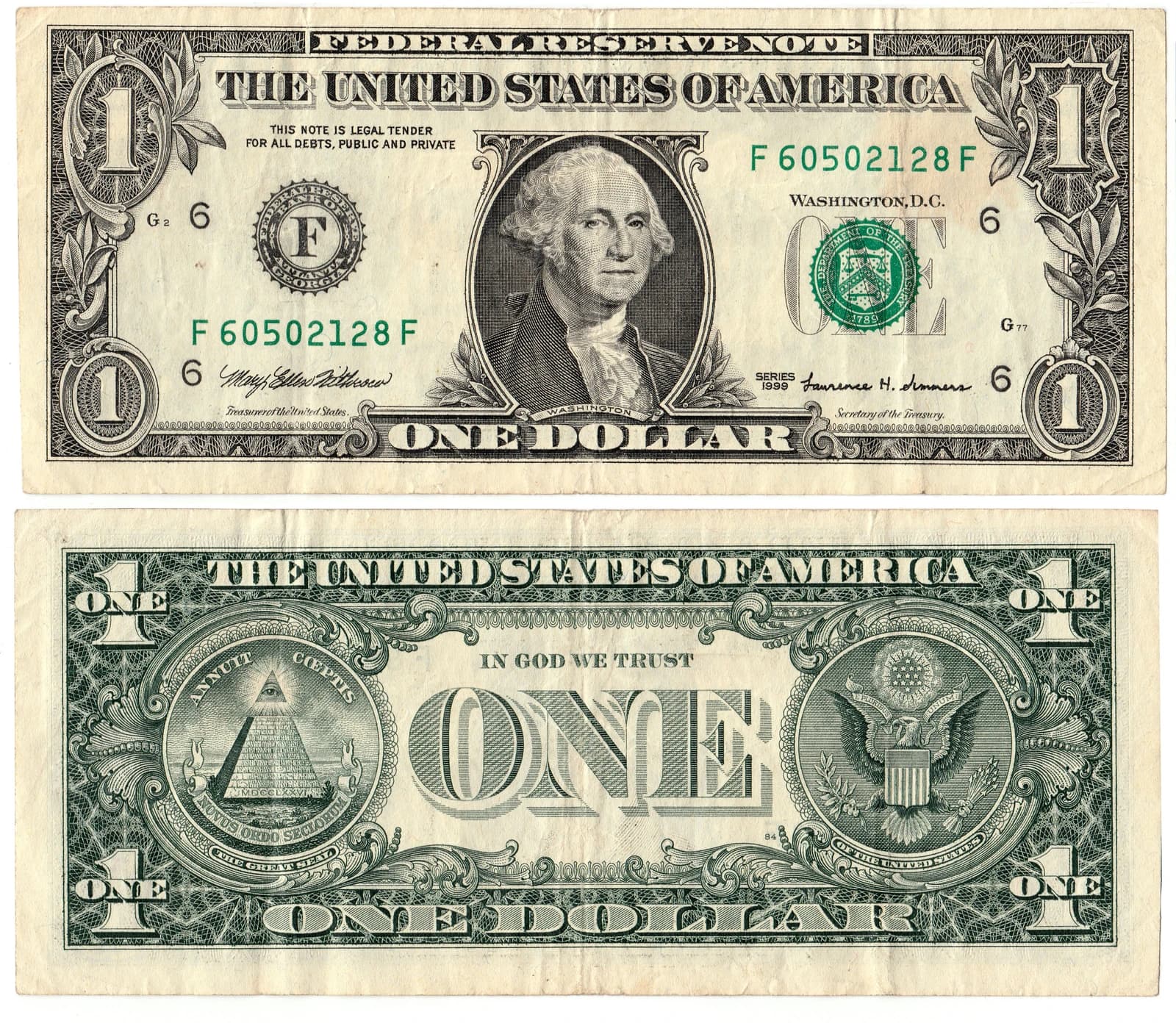
Bolivia’s dollar rate was unchanged on Sunday in the official market, but a small uptick in the parallel rate underscored how tight foreign-currency conditions continue to shape pricing outside the central bank’s reference band.
Bolivia keeps official dollar rate at Bs 12.00
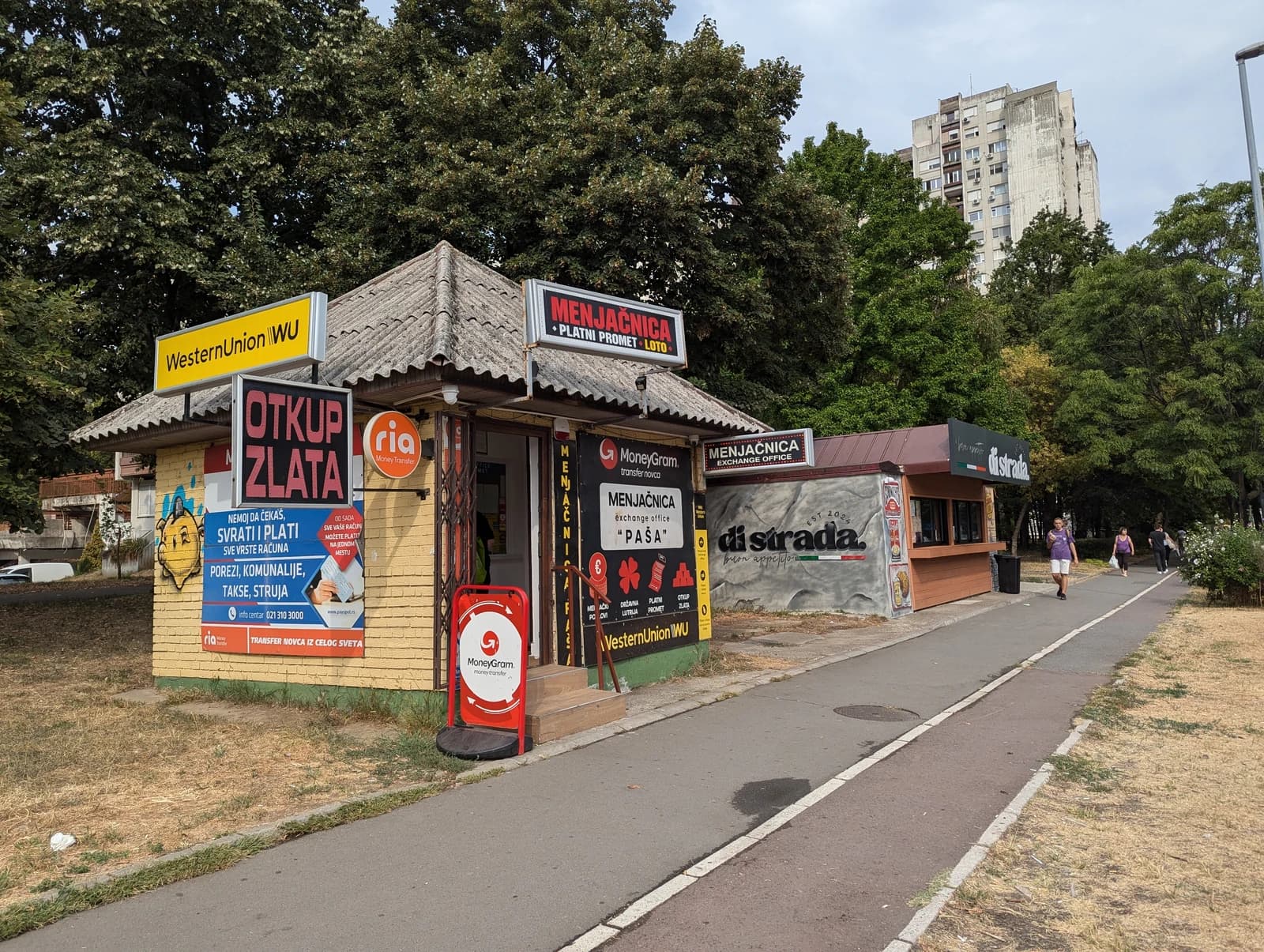
The Banco Central de Bolivia kept the official exchange rate at Bs 12.00 per U.S. dollar for Saturday, Sunday and Monday, according to the data cited by Red UNO. In the parallel market, a peer-to-peer platform showed the dollar at Bs 12.01 for buying and Bs 11.97 for selling as of 7:07 a.m. Sunday, up from Bs 11.94 on the sell side a day earlier.
Sentiment IndicatorsⓘProprietary · adalytica.com · October 4, 2026
This is a snapshot — live sentiment, awareness and momentum for 130+ markets update continuously in the dashboard.Open AlphaPulse
That three-centavo rise in the parallel sell rate is modest, but in a market where the official rate has been fixed and access to dollars has often been constrained, even small moves are watched closely by households, importers and firms that need hard currency for payments. The gap between the official and parallel markets remains narrow in this snapshot, yet it highlights the continuing split between the formal rate and the price determined by supply and demand in informal channels.
For the economy, a stable official rate can help anchor expectations and limit headline inflation pressure, especially on imported goods. But the persistence of a functioning parallel market is itself a sign that dollar demand has not been fully met through official channels, leaving businesses and consumers exposed to more variable pricing. That can feed through into working-capital costs, trade financing and pricing decisions for retailers and import-dependent industries.
For investors, the significance is less about the centavo move itself than about what it says on policy credibility and liquidity. A fixed official rate paired with a live parallel market often signals strain in foreign-exchange availability, which can complicate corporate cash planning and raise the risk premium on local assets. The smaller the gap, the more controlled the market appears; the fact that the parallel rate is still active suggests underlying demand pressure has not disappeared.
The broader narrative is one of stability at the official window and gradual repricing outside it. Bolivia’s currency regime remains a reference point for the market, but the parallel market continues to act as the real-time gauge of sentiment, scarcity and short-term demand. If dollar demand firms again, the informal rate is likely to stay the more important number for companies and consumers.
| Entity | Gains | Losses |
|---|---|---|
| Bolivia central bank | ▲Stable headline rate | ▼Pressure on reserves credibility |
| Importers needing dollars | ▲Predictable official reference | ▼Higher parallel-market costs |
| Exporters with dollar revenue | ▲Better local-currency conversion | ▼Softer upside if rate stays fixed |
| Households and firms buying dollars | ▲Near-flat pricing | ▼Limited access to cheap dollars |