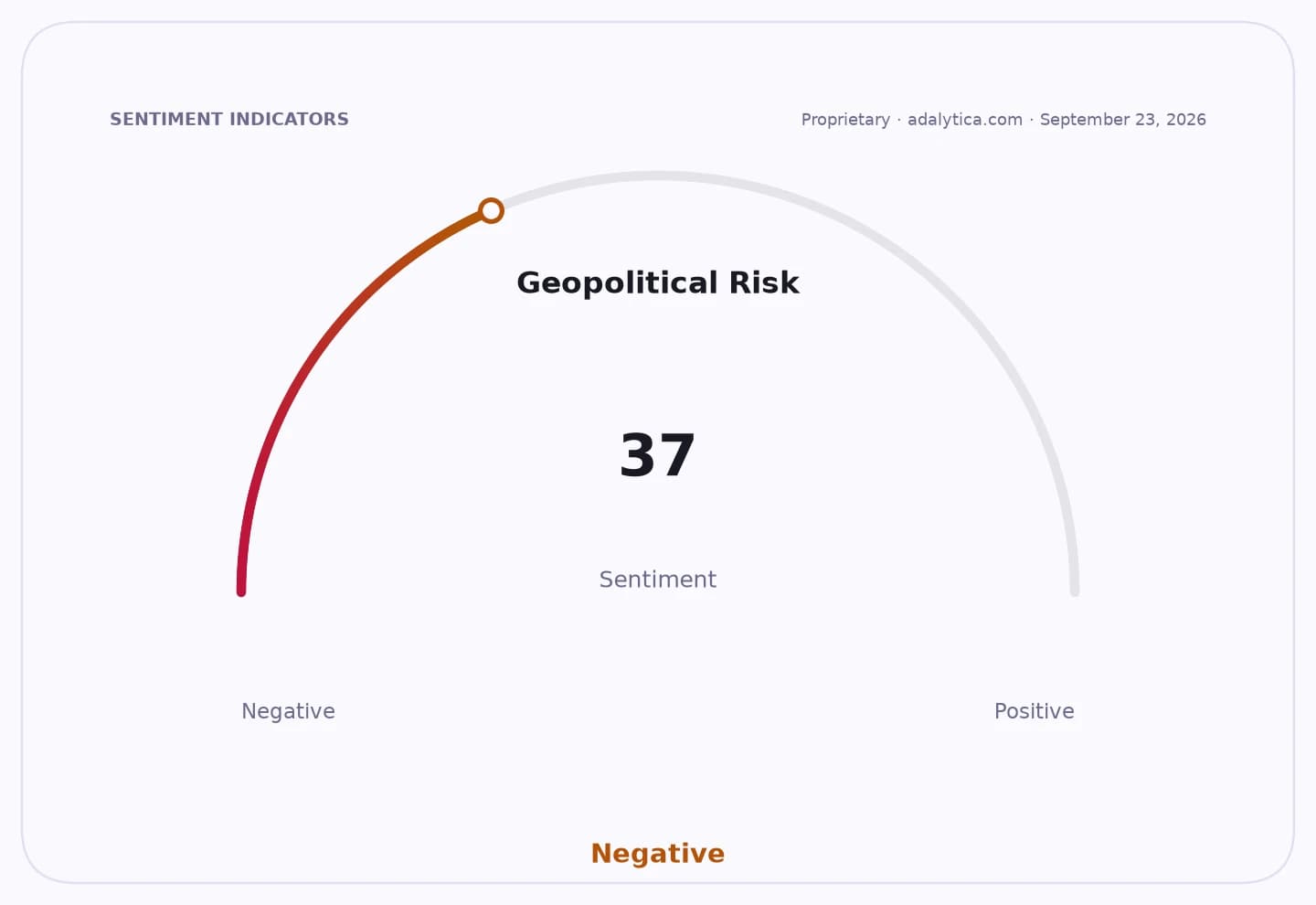
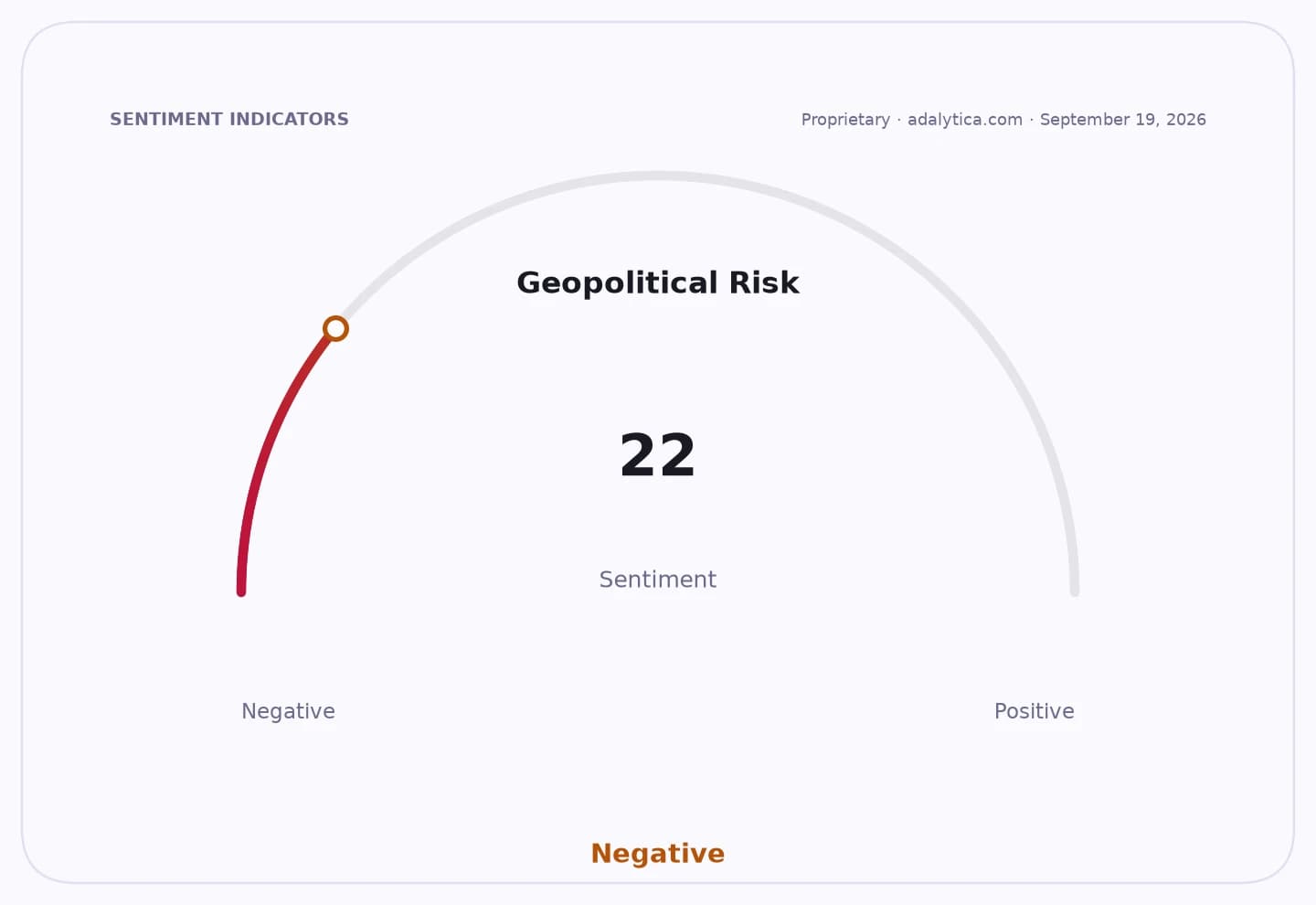
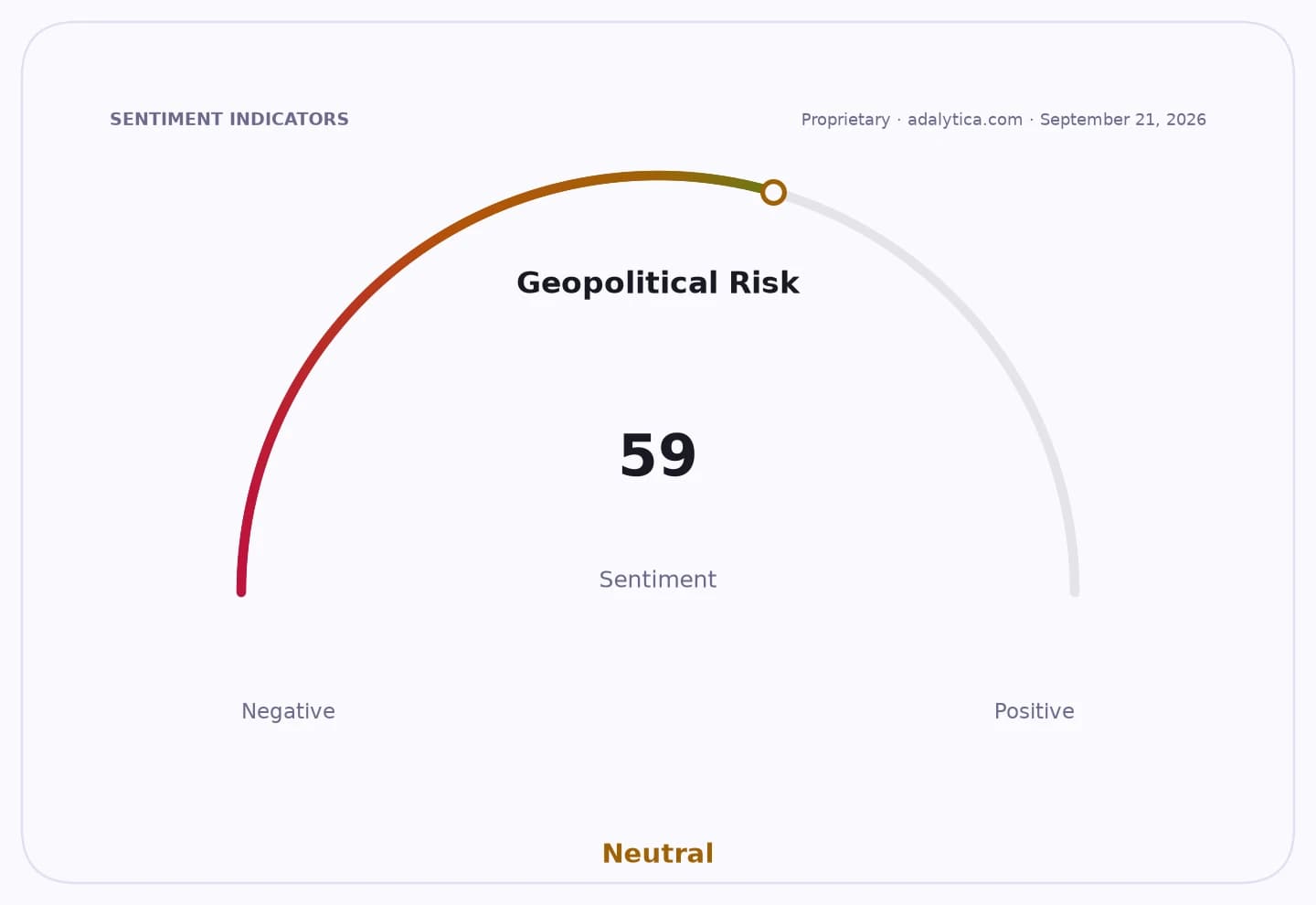
Geopolitical tensions in the Middle East are cutting into Boskalis’ activity levels, underscoring how quickly regional conflict can spill beyond tanker routes and into the contract-heavy world of dredging, marine services and coastal protection.
Boskalis and Middle East tensions affect activity

That matters because Boskalis sits on the front line of a broader infrastructure trade: governments, ports and energy operators rely on its vessels and crews to keep beaches replenished, harbors accessible and offshore assets protected. When the Strait of Hormuz and surrounding shipping lanes become more volatile, projects can be delayed, logistics get harder and customers often push work out, hitting utilization and revenue timing.
Sentiment IndicatorsⓘProprietary · adalytica.com · August 31, 2026
This is a snapshot — live sentiment, awareness and momentum for 130+ markets update continuously in the dashboard.Open AlphaPulse

The market should not treat this as a narrow operational hiccup. For marine contractors, the real earnings driver is fleet deployment, and geopolitical disruption can both help and hurt. Emergency route changes, security measures and project pauses can reduce near-term activity, even as the same instability eventually supports more investment in coastal resilience, port defense and offshore infrastructure. In other words, the market underestimates how Middle East risk reshapes the order book rather than simply raising oil prices.
That backdrop is also relevant for shipping and energy-linked names more broadly. Natco-style tanker operators have already warned that disruption or a near closure of the Strait of Hormuz can reroute traffic and alter shipping flows, a reminder that volatility in one corridor can ripple through freight, insurance and marine engineering demand. For investors, the key question is not whether geopolitical stress matters — it clearly does — but which businesses can turn that stress into pricing power and which get left waiting for contracts to restart.

Technical signals in NAT show the stock trading above both its 50-day and 200-day moving averages, while RSI readings remain elevated, suggesting the market is already pricing in some of the rerouting benefit. That is the bigger setup here: as Middle East tensions persist, investors should look past the obvious oil-and-tanker trade and toward the quieter beneficiaries in marine infrastructure, dredging, port hardening and coastal defense.
My thesis is simple: if the region stays unstable, Boskalis and its peers are not just exposed to delays — they are positioned for a multi-year repricing of demand for resilience projects. The best opportunity is to own the picks-and-shovels of geopolitical fragmentation before the market fully values the capex cycle it creates.
| Entity | Gains | Losses |
|---|---|---|
| Boskalis | ▲resilience project demand | ▼near-term activity levels |
| Port and coastal contractors | ▲higher security spending | ▼schedule visibility |
| Tanker operators | ▲rerouting premiums | ▼route disruption costs |
| Importers and shippers | ▲alternative routes | ▼freight and insurance costs |