Egypt has won a small but meaningful reprieve in its gas balance as BP brought the Fayoum-4 well onstream nearly two years ahead of schedule, adding new domestic supply just as the country leans harder on costly LNG imports.
BP Fayoum-4 Starts Early in Egypt
That matters because Egypt is not dealing with a one-off production glitch. Its gas output has been slipping since a 2021 peak, forcing Cairo back into the spot market and making its energy bill more vulnerable to global price swings. Every cubic foot produced at home is one less cubic foot that has to be bought abroad, shipped in and paid for in foreign currency — a real issue for an economy where hard-currency preservation is a constant concern.
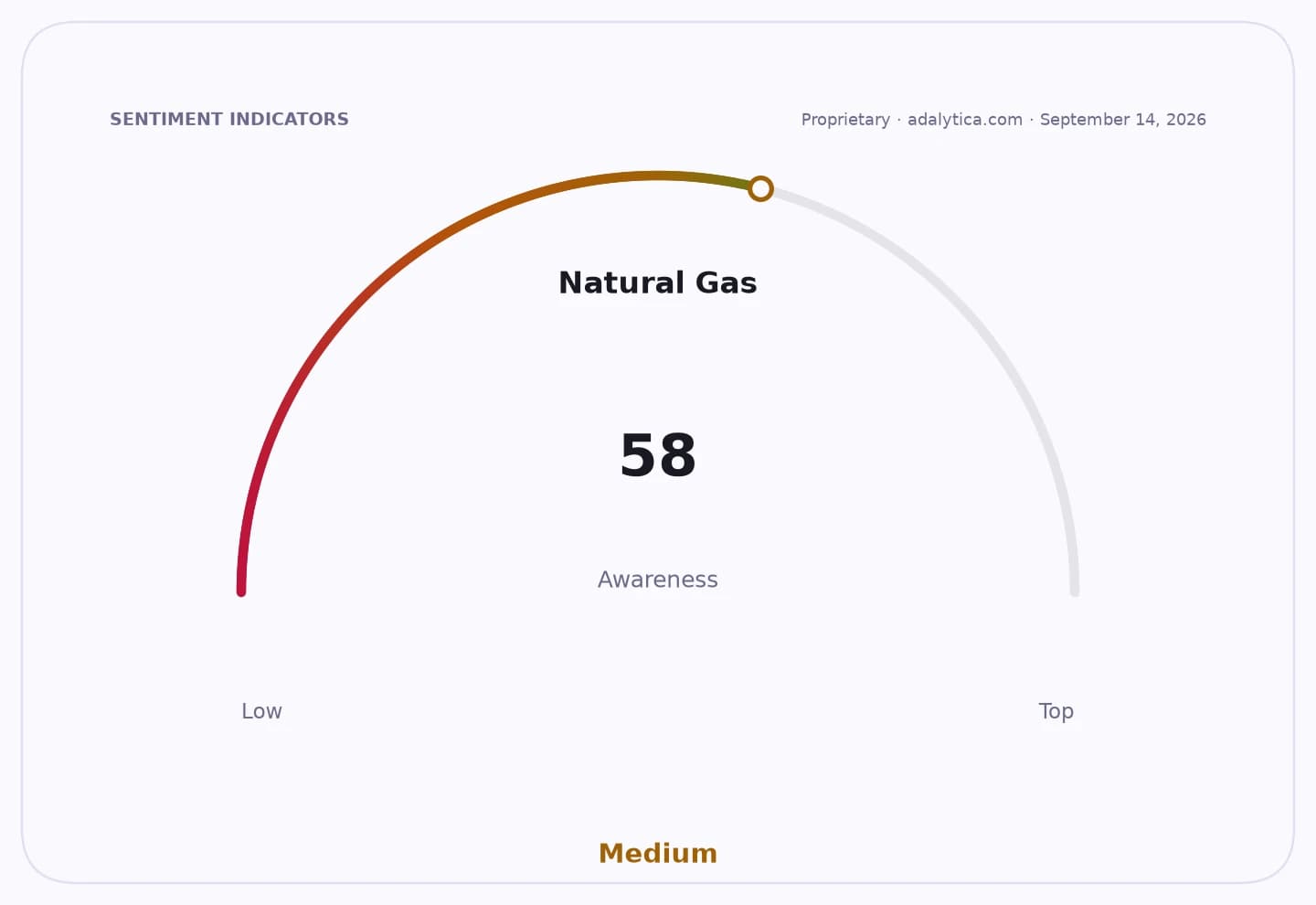
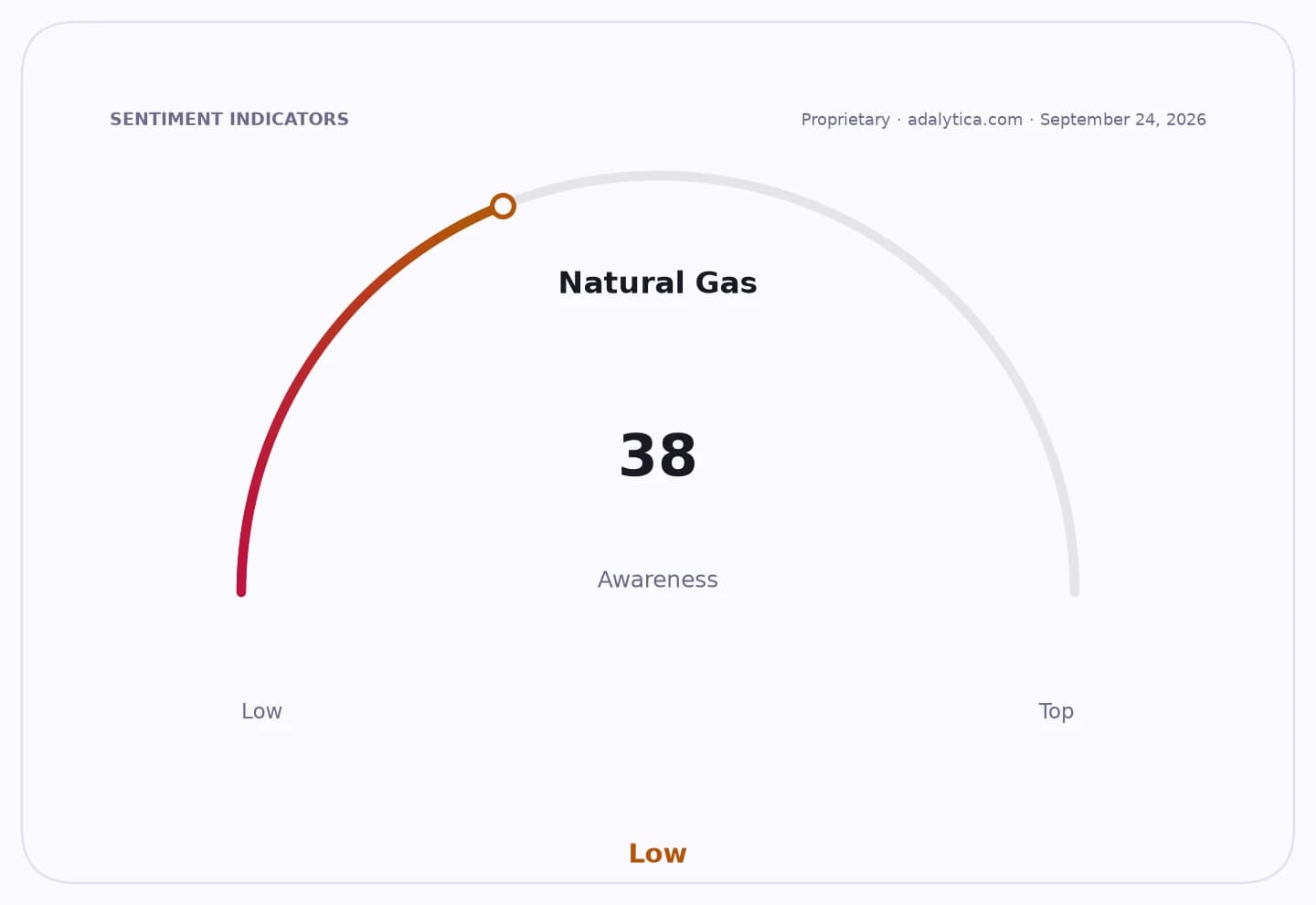
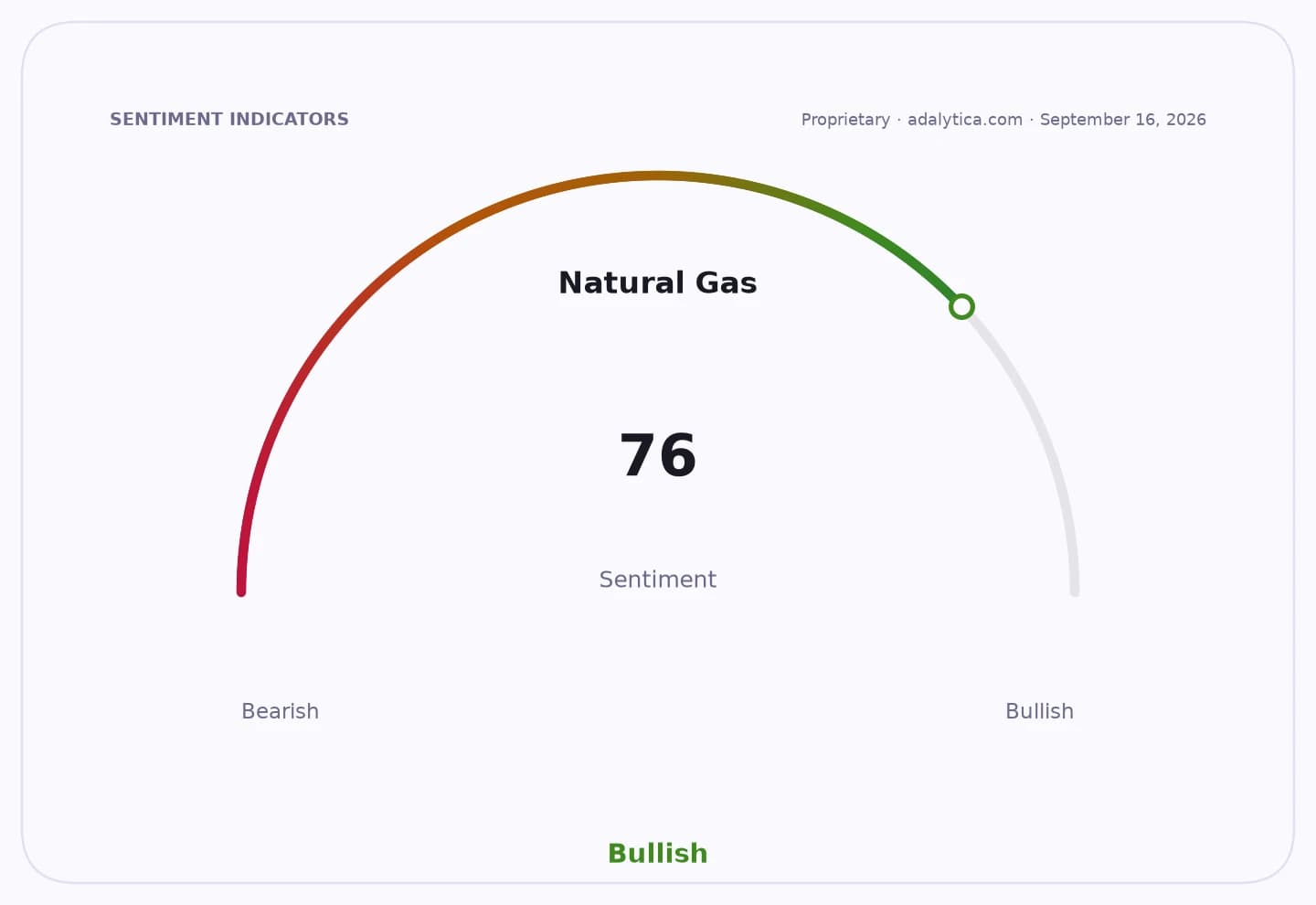
Sentiment IndicatorsⓘProprietary · adalytica.com · September 6, 2026
This is a snapshot — live sentiment, awareness and momentum for 130+ markets update continuously in the dashboard.Open AlphaPulse
Fayoum-4, in BP’s West Nile Delta concession off Egypt’s coast, is expected to deliver about 80 million cubic feet a day. The well was discovered in a 2025 exploration campaign and tied into existing processing facilities through the Giza-Fayoum pipeline, avoiding the cost and delay of building new subsea infrastructure. For Egypt, that kind of quick tie-in is exactly what the country needs if it is to keep domestic supply from falling further behind demand.
The broader story is that Cairo is trying to rebuild trust with international energy companies after years of arrears slowed drilling and discouraged investment. The government has since repaid several billion dollars of accumulated debt to operators, hoping to revive exploration and development. BP’s early start on Fayoum-4 suggests those efforts are beginning to pay off, at least enough to coax more capital and equipment back into the country.
For BP, the project also shows it is still willing to spend in Egypt even as it reshapes its portfolio there. The company plans to invest about $1.5 billion in the country in fiscal 2026-2027, while also negotiating the sale of producing West Nile Delta assets and a stake in Temsah to Energean for roughly $1 billion. In other words, BP is not leaving Egypt — it is trimming one part of the business while continuing to develop another.
Investors should see two takeaways. First, Egypt’s need for imported LNG may not disappear soon, but domestic additions like Fayoum-4 can reduce the pace of import growth and ease pressure on the current account. Second, upstream projects that can be tied into existing infrastructure and brought forward ahead of schedule are the kind of capital-efficient developments energy companies increasingly prize.
BP shares have held up well recently, but the bigger implication is for long-term cash generation: projects that come on early, use existing infrastructure and fit into a broader portfolio shuffle can be more valuable than they look on a single well basis. For Egypt, the long game is energy security. For investors, the message is simpler: companies and countries that can keep adding low-friction supply in a tight market are worth watching closely.
| Entity | Gains | Losses |
|---|---|---|
| Egypt | ▲Lower LNG import pressure | ▼Less foreign-currency strain |
| BP | ▲Earlier production growth | ▼Less immediate need for new infrastructure |
| LNG suppliers | ▲More demand from Egypt | ▼Smaller share if domestic output recovers |
| Energean | ▲Potential asset purchase | ▼BP exits some producing assets |