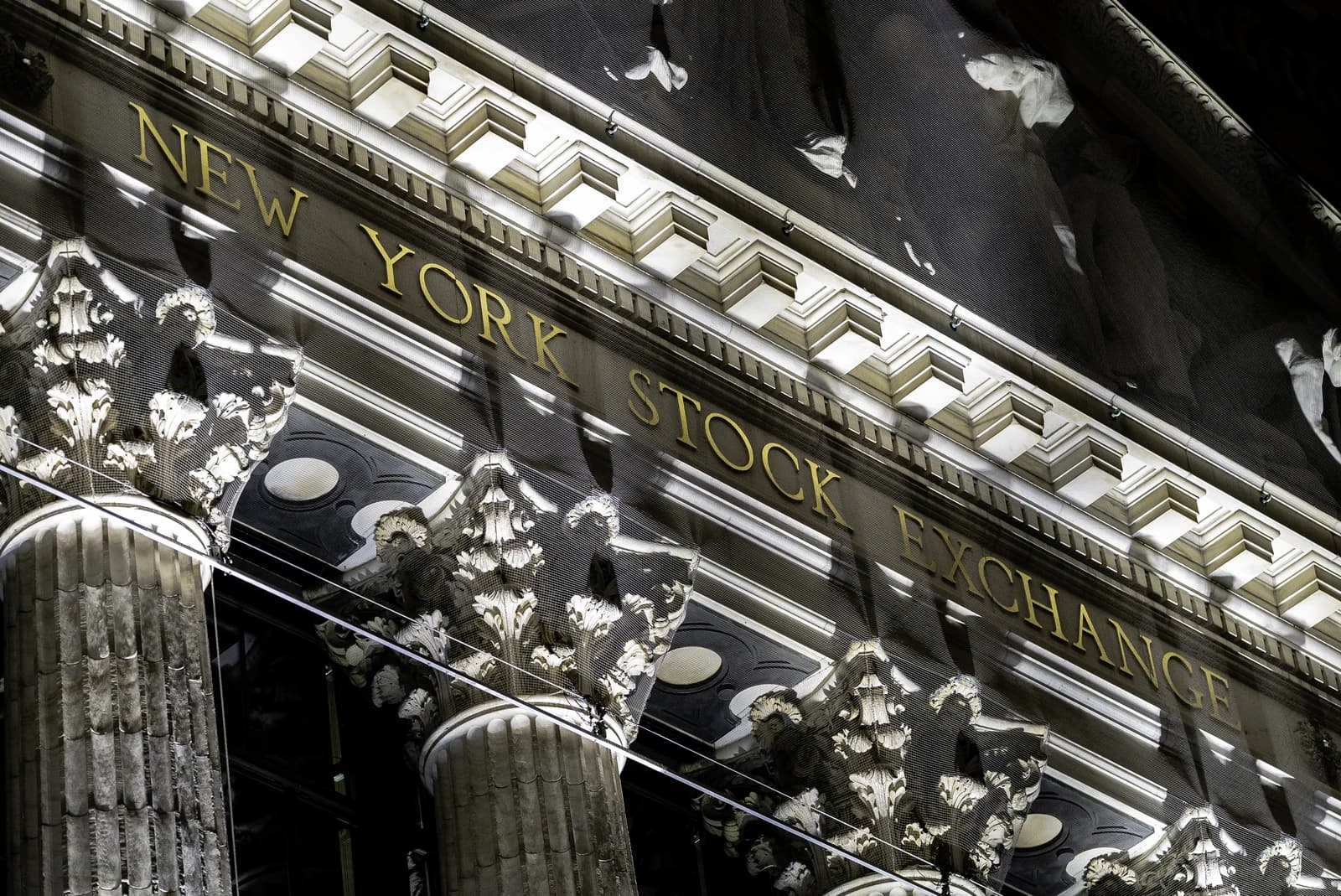
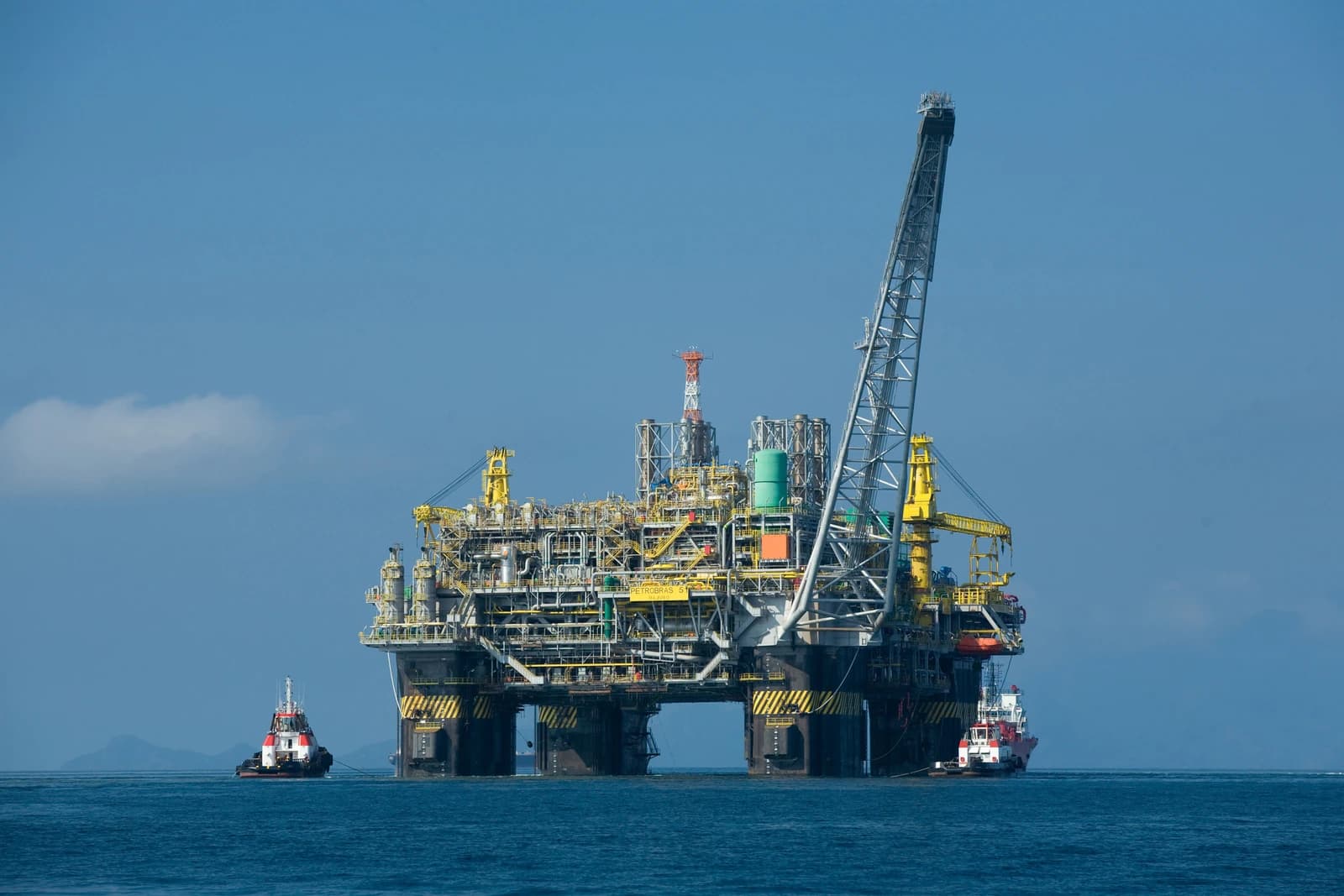
BP’s appointment of Ian Tyler as chair is the clearest sign this week that the oil majors are still in the middle of a leadership reset, and investors should care because these decisions shape capital allocation, portfolio strategy and ultimately how much cash gets returned to shareholders.
BP names Ian Tyler as chair
At BP, the board named Tyler after an extensive search, replacing a chair whose departure comes as the company tries to steady its strategy and prove that recent changes at the top can translate into better execution. For long-term investors, chair appointments at integrated oil companies matter more than they may first appear. These are the people helping steer choices on spending, divestments, debt, buybacks and the balance between oil and gas production and the energy transition.
Sentiment IndicatorsⓘProprietary · adalytica.com · September 4, 2026
This is a snapshot — live sentiment, awareness and momentum for 130+ markets update continuously in the dashboard.Open AlphaPulse
The broader message across BP, TotalEnergies and ExxonMobil is that governance and succession planning remain central to the investment case in energy. Oil and gas companies are not just riding commodity prices; they are competing on discipline. When boards are refreshed, markets usually ask the same questions: Will management stay focused on returns? Will the company resist empire-building? Will free cash flow be used for dividends and buybacks, or tied up in projects that take years to pay off?
That question is especially relevant now because the sector is still benefiting from elevated profitability, but the backdrop is less forgiving. Adalytica’s oil gauge shows extreme fear even as awareness remains high, underscoring how quickly sentiment can swing when crude markets wobble. For investors, that means the companies with the best governance, the clearest strategy and the strongest balance sheets tend to deserve the premium.
The share-price action in BP, ExxonMobil and TotalEnergies also shows how differently investors treat the major oils. ExxonMobil has been the standout of the group, with its shares around $164.15, far above levels seen earlier in the year, reflecting confidence in its scale, upstream strength and capital returns. TotalEnergies has also held up well, trading near $90.22. BP, by contrast, remains more volatile around $43.93, a reminder that turnaround stories require patience and execution, not just better oil prices.
For investors building wealth over years, not weeks, the lesson is simple: in energy, leadership matters because discipline matters. A strong chair and a stable board can help protect the cash generation that funds dividends and buybacks, especially when commodities turn choppy. BP’s latest move is worth watching, and the same goes for the other major oils as they continue to reshape their leadership benches.
| Entity | Gains | Losses |
|---|---|---|
| BP shareholders | ▲Governance reset | ▼Near-term uncertainty |
| TotalEnergies investors | ▲Stability bias | ▼Big strategic shifts |
| ExxonMobil holders | ▲Proven execution premium | ▼Cheap valuation upside |
| Commodity traders | ▲Leadership headlines | ▼Clear directional signal |