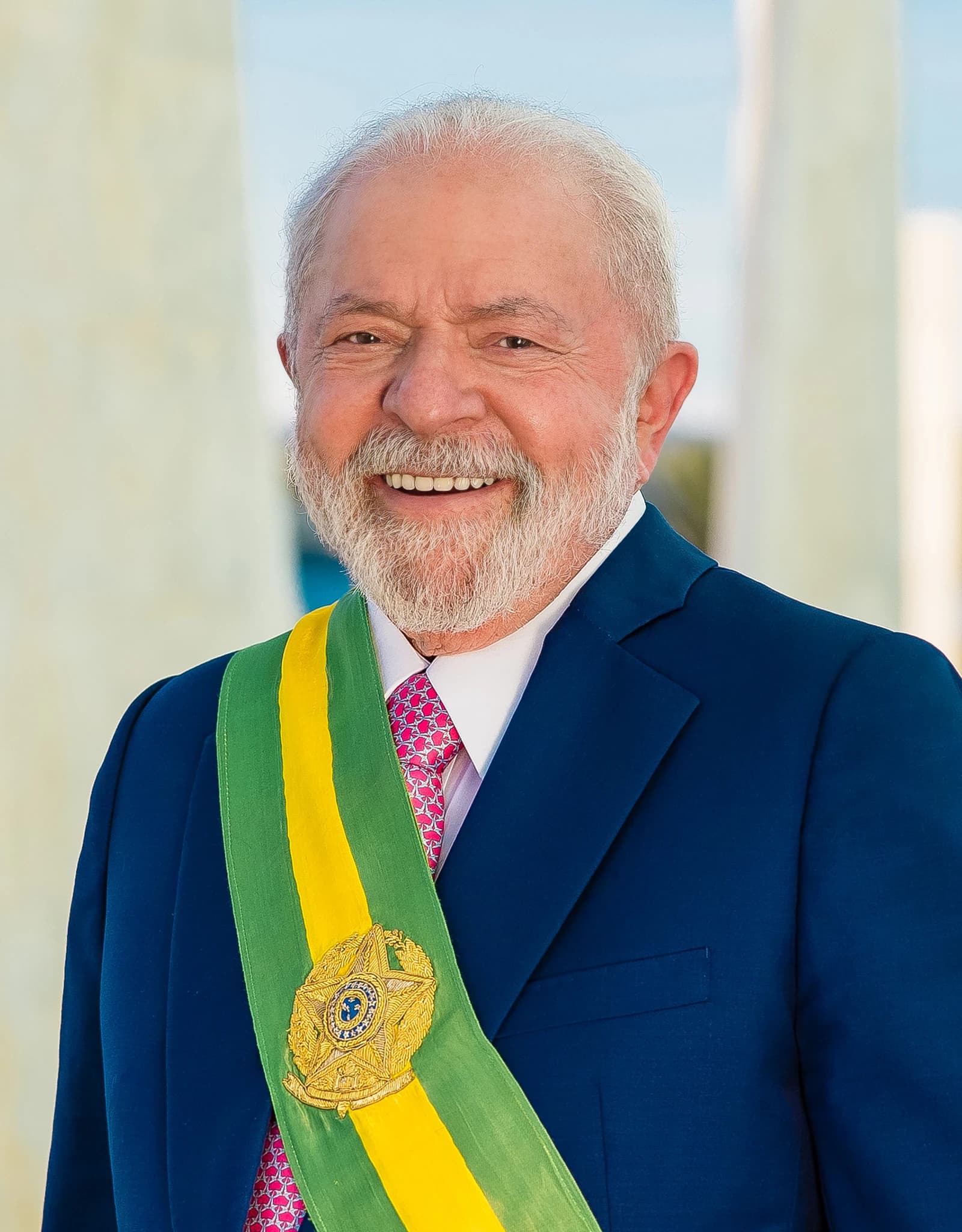
Lula da Silva has turned the Banco Master scandal into a broader assault on Brazil’s political and judicial system, arguing that the country’s biggest recent fraud case must be investigated “without shielding anyone” even as leaks suggest the probe is reaching ministers, lawmakers and other powerful figures.
Brazil Banco Master probe widens to political figures
That matters because the Master case is no longer just a banking crime story. It has become a test of institutional credibility in Latin America’s largest economy, with potential implications for political stability, judicial independence and the government’s ability to keep corruption investigations from becoming a fight over selective disclosures. For investors, the issue is whether the scandal stays contained to a failed lender and its executives or spreads into the country’s governing elite, raising the risk premium on Brazilian assets.
Sentiment IndicatorsⓘProprietary · adalytica.com · September 4, 2026
This is a snapshot — live sentiment, awareness and momentum for 130+ markets update continuously in the dashboard.Open AlphaPulse
Lula’s remarks on Thursday framed the case as “the biggest robbery in the history of Brazil” and credited his administration with uncovering the scheme, arresting banker Daniel Vorcaro and shutting the bank. He also called for deep political and judicial reform, saying the country cannot remain hostage to selective leaks. The message was as much about control of the narrative as about accountability: the government wants the investigation to proceed, but on terms that do not turn it into a destabilizing free-for-all.
The political sensitivity is rising because Brazilian media reports this week linked Vorcaro to figures across the spectrum, including Supreme Federal Court justices Alexandre de Moraes and André Mendonça, as well as lawmaker Nicolas Ferreira and Flávio Bolsonaro. The leaks suggest the case may be widening from a fraud investigation into a network-of-influence story, with all the attendant risks of institutional embarrassment and retaliatory politics. That raises the stakes for prosecutors and the Supreme Court, which will need to show rigor without appearing selective or partisan.
From a market perspective, the immediate impact is likely to be less about direct exposure and more about sentiment. Brazilian equities and the real tend to be sensitive to corruption shocks when they threaten policy continuity or expose institutional weakness. The EWZ ETF has been trading well above its 50-day and 200-day moving averages, but its momentum gauges have become stretched, with RSI readings in overbought territory, leaving room for volatility if the scandal deepens. The broader message for investors is that governance risk in Brazil can reprice quickly when political and judicial institutions become the story.
The timing also matters because Lula is effectively linking anti-corruption enforcement to a push for systemic reform, an approach that could bolster his credibility with voters while widening friction with Congress and the courts. If the probe expands cleanly and produces more arrests or asset seizures, it could reinforce the government’s case that institutions are functioning. If, instead, the investigation is seen as leaking strategically or targeting only some players, it may feed the very institutional distrust Lula says he wants to cure.
For now, the Master affair has evolved into a stress test for Brazil’s rule of law. Investors will be watching whether the inquiry remains focused on fraud and accountability, or whether it becomes a proxy battle over the political reach of the judiciary and the durability of the government’s reform agenda.
| Entity | Gains | Losses |
|---|---|---|
| Lula government | ▲Credibility on anti-corruption | ▼Political noise and governing friction |
| Investigators/prosecutors | ▲Public mandate for a full probe | ▼Pressure over leaks and selectivity |
| Banco Master/Vorcaro camp | ▲None | ▼Arrests, shutdown, asset losses |
| Brazilian market investors | ▲Potential institutional cleanup | ▼Higher governance risk premium |