Brazilian President Luiz Inácio Lula da Silva arrived in Colombia on Thursday for the Amazon Summit, where escalating violence in the host country has turned the gathering into both an environmental and security test for the region.
Brazil, Colombia at Amazon Summit Amid Violence
The summit matters economically because the Amazon remains central to water supply, biodiversity, agriculture and long-term climate stability across South America, while the security backdrop underlines how organized crime and insurgent violence can complicate investment, infrastructure and cross-border cooperation in the region.
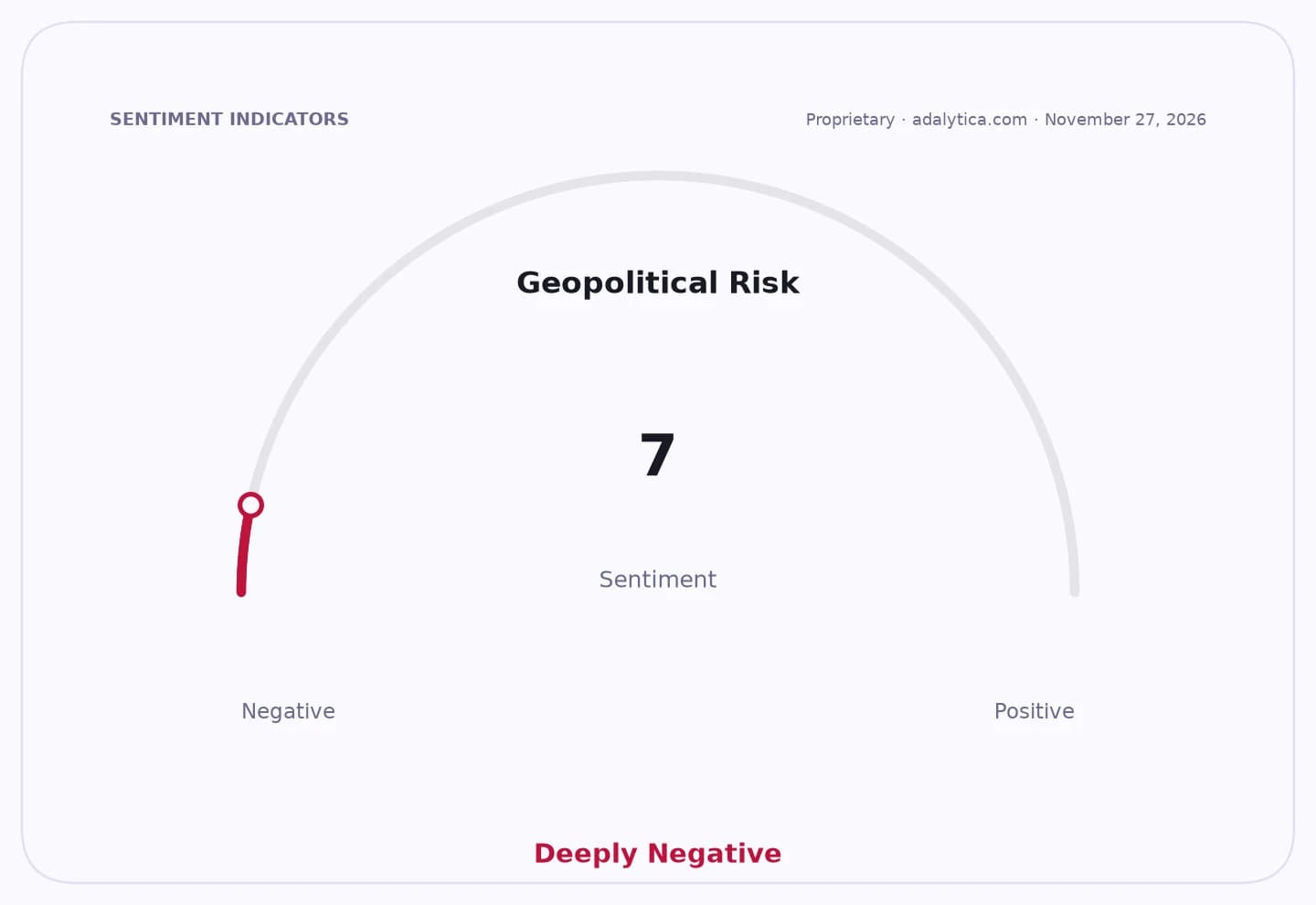
Sentiment Indicators

Lula was received in Bogotá by Foreign Minister Rosa Yolanda Villavicencio as Brazil took over the presidency of the Amazon Summit, a forum meant to coordinate policy among the eight Amazon basin nations. But the diplomatic agenda is unfolding against a sharply more volatile security environment after attacks in two regions of Colombia, including a bomb blast in Cali and a drone strike that brought down a helicopter in Antioquia, leaving 12 people dead.
Colombian President Gustavo Petro observed a minute of silence for the victims and said he would seek to have “La Junta del Narcotráfico” designated as terrorists and pursued globally. He also said dissident groups linked to Iván Mordisco, along with the Gulf Clan and Segunda Marquetalia, have shown their terrorist character through violent acts and should be investigated and prosecuted internationally.

For investors and policymakers, the significance is twofold. First, the Amazon agenda carries weight for energy, agriculture, carbon markets and resource policy, with Brazil likely to use its chairmanship to push regional coordination on deforestation and development. Second, Colombia’s security deterioration reinforces a broader Latin American risk premium tied to logistics, commodity production and public spending, particularly if violence forces a tougher state response or discourages private capital.
The contrast is important: the summit is designed to project regional cooperation, but the security measures around Lula’s visit underscore how fragile that cooperation can be when criminal violence intensifies. That dynamic could complicate efforts to attract climate finance, promote sustainable development projects and deepen cross-border enforcement against illicit networks.
For Brazil, the meeting also gives Lula another platform to present himself as a regional broker at a time when his government is confronting its own external pressures, including trade tensions with Washington. For Colombia, the security crisis will likely dominate the near-term political agenda even as Petro seeks to keep the Amazon diplomacy on track.
If the summit produces concrete commitments on conservation, financing and enforcement, it could support longer-term regional investment narratives. If violence continues to worsen, however, the risk is that the Amazon agenda becomes overshadowed by security concerns, weakening confidence in the region’s ability to execute on development and environmental promises.
| Entity | Gains | Losses |
|---|---|---|
| Brazil | ▲Regional leadership role | ▼If summit is overshadowed by security |
| Colombia | ▲Diplomatic visibility | ▼Political capital from rising violence |
| Amazon basin countries | ▲Coordination on climate policy | ▼Delay in investment and execution |
| Criminal groups | ▲— | ▼Greater international pressure and scrutiny |