A UN vote led by Cuba and Brazil underscored how the campaign against unilateral sanctions is gathering diplomatic support even as investors are dumping Brazilian exposure, with the country’s main ETF EWZ sliding back toward bear-market territory.
Brazil EWZ Slides as UN Sanctions Vote Passes
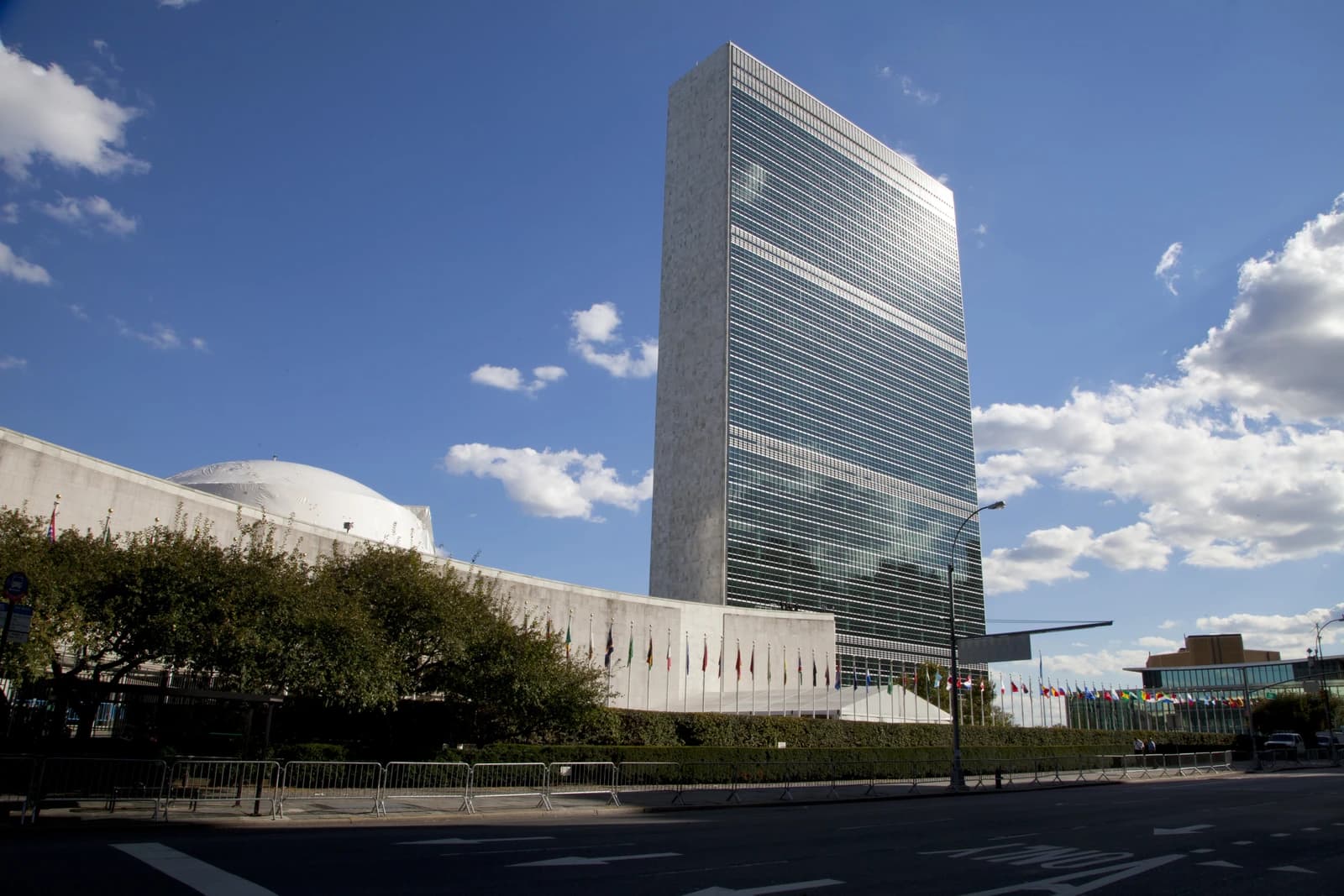
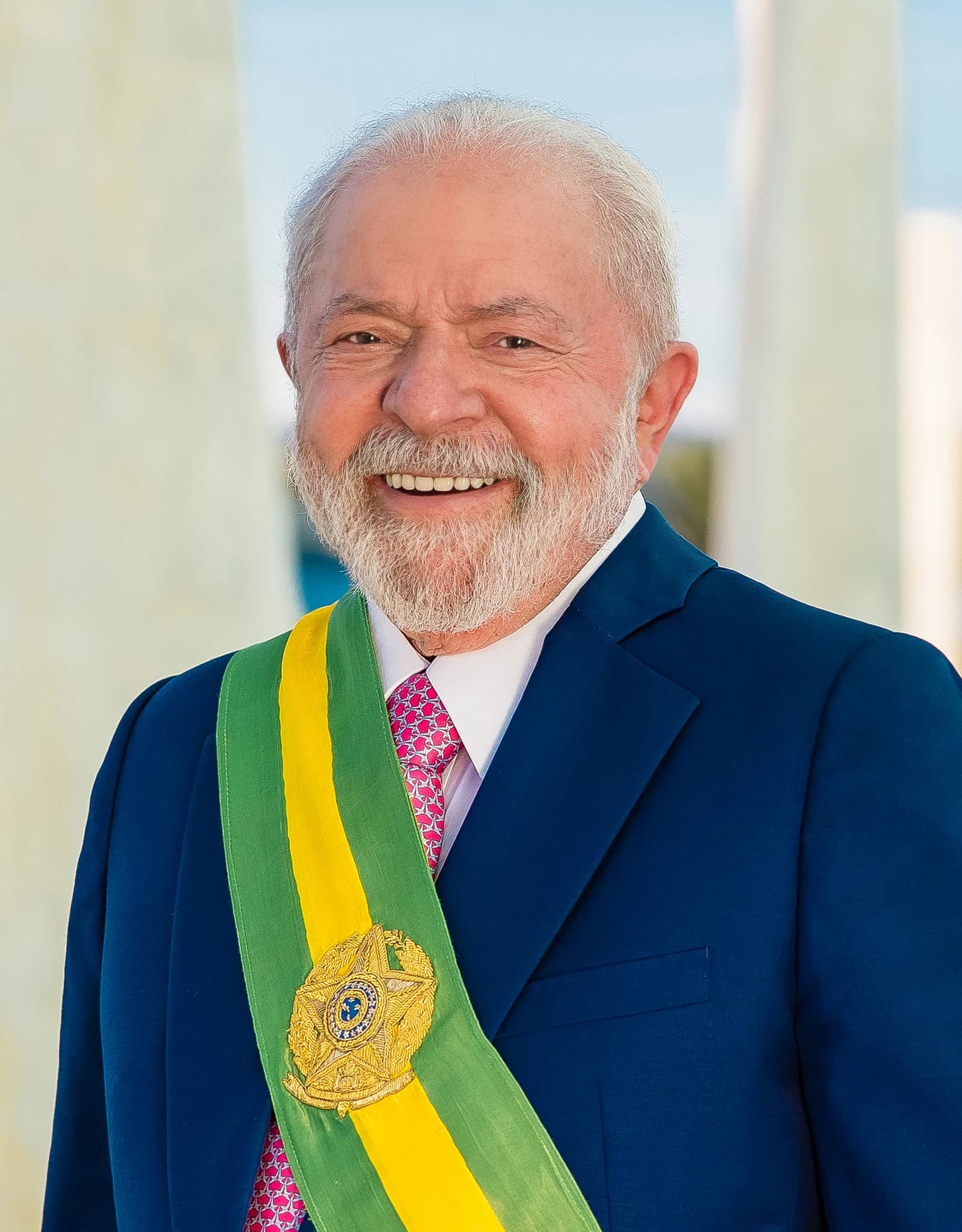
The Third Committee’s 117-51-11 vote on a text questioning unilateral sanctions gives Havana and President Luiz Inácio Lula da Silva a visible win in the geopolitical battle over the use of economic coercion. It does not change policy by itself, but it hardens a narrative that resonates across parts of Latin America, Africa and the developing world: sanctions are increasingly framed not as a tool of accountability, but as a collective punishment imposed by Washington and its allies.
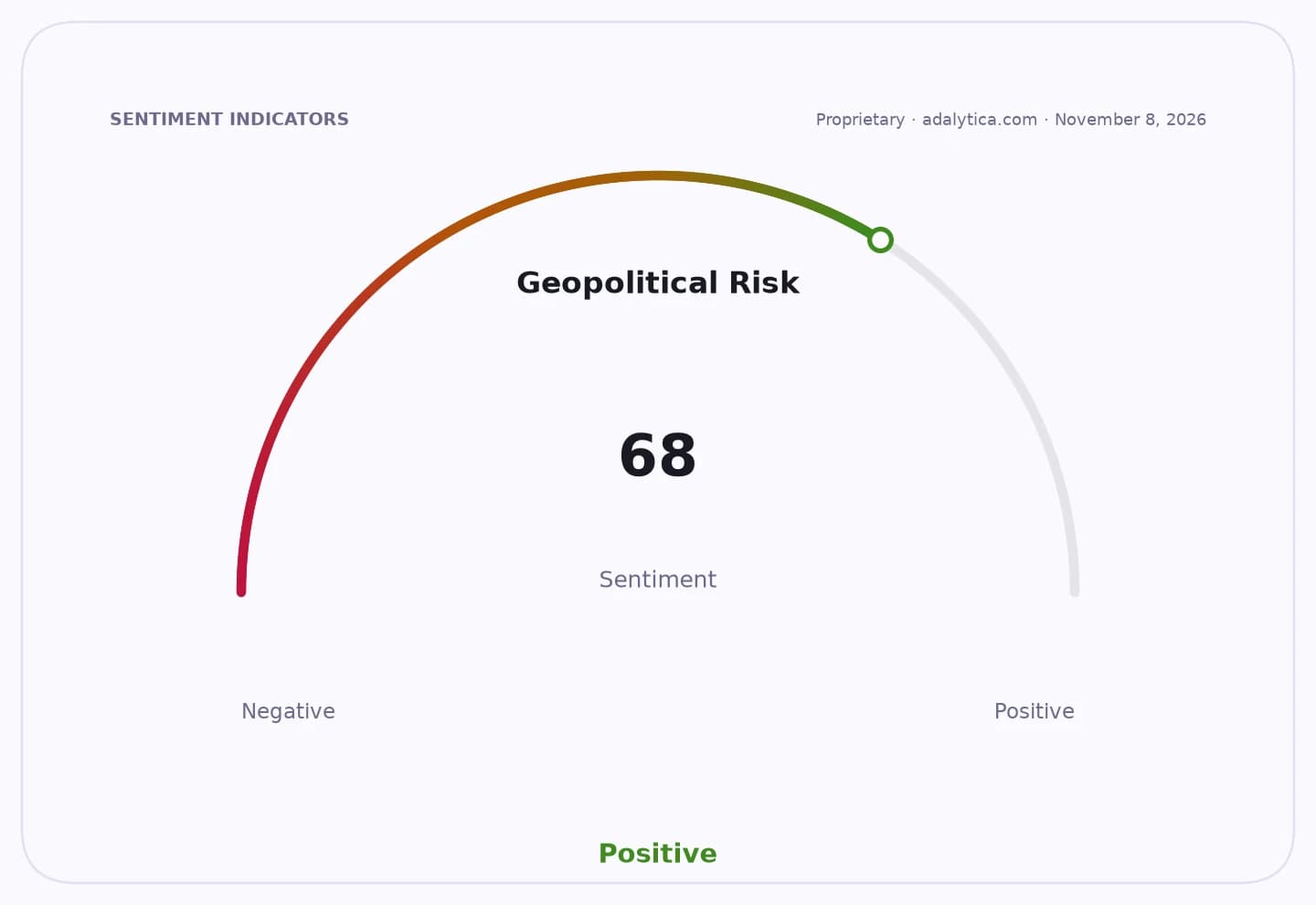
Sentiment Indicators
Geopolitical Risk
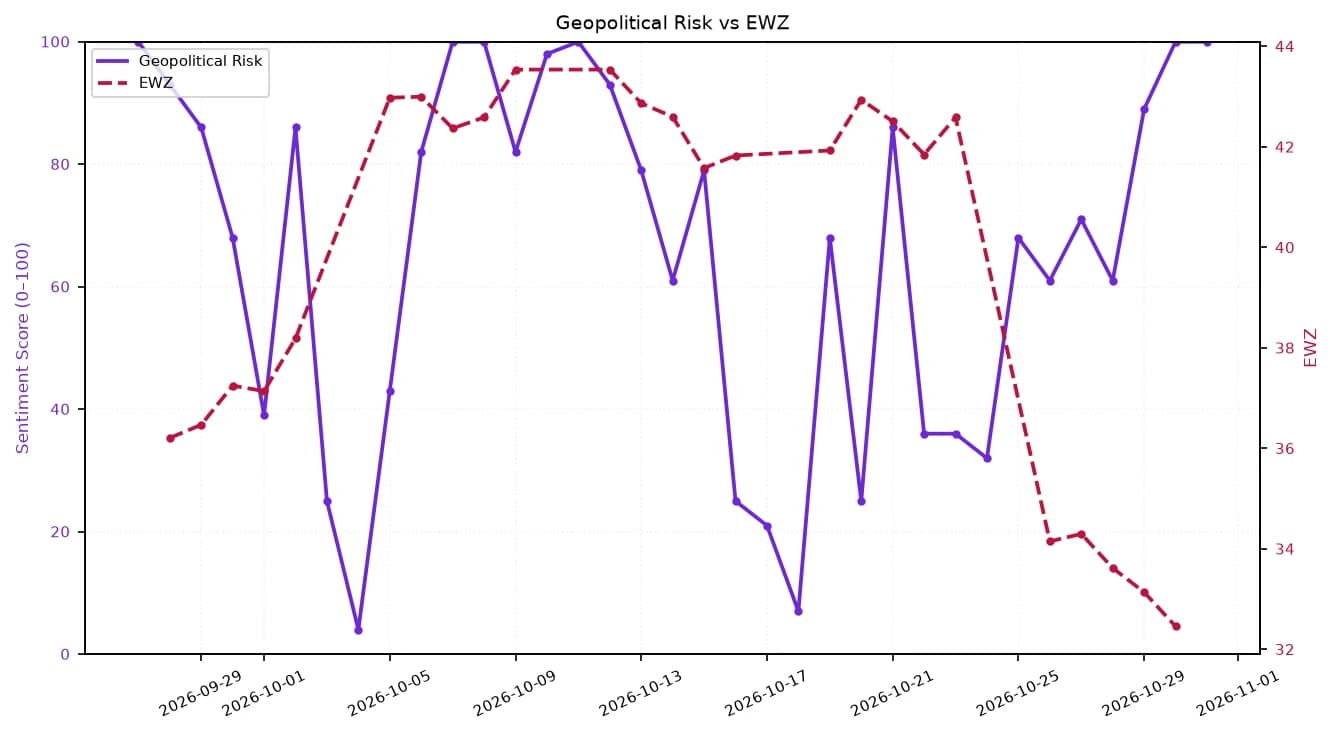
For investors, that matters because sanctions politics are now feeding directly into market perception of emerging-market risk. Brazil’s EWZ closed at 29.33 on Nov. 23, down from 42.59 on Oct. 23, a roughly 31% slide in a month, with the fund trading below both its 50-day and 200-day moving averages. The daily RSI reading of 35.7 suggests the recent selloff is stretched but not yet washed out, while the MACD remains deeply negative, pointing to persistent downside momentum. The Peru fund EPU and the Latin America basket ILF have followed the same pattern, signaling that the pressure is broad rather than purely country-specific.
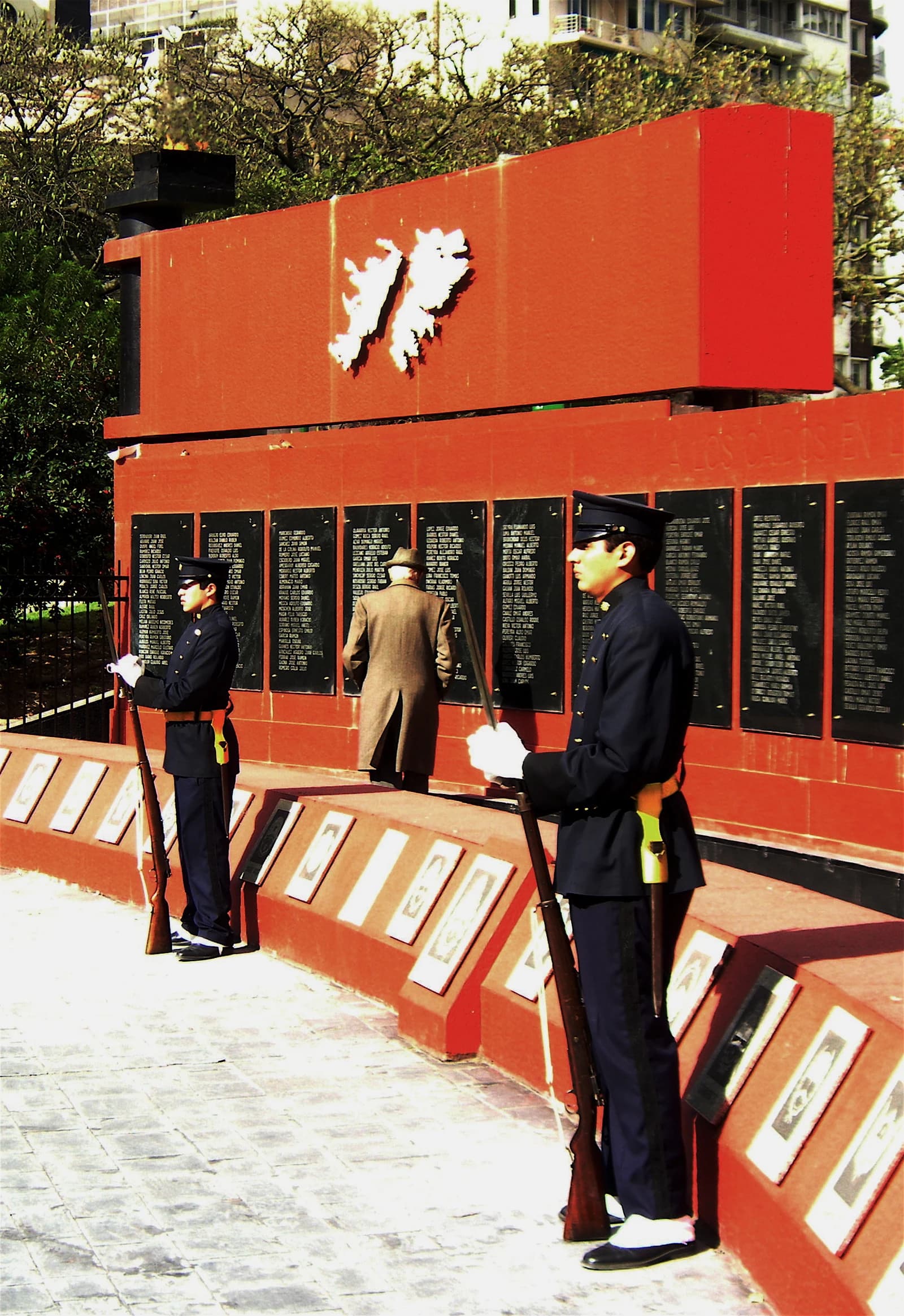
The geopolitical significance is larger than the vote count. A 117-vote majority in the UN’s Third Committee allows Brazil and Cuba to present the resolution as evidence that the anti-sanctions bloc is no longer a fringe position. The US, Israel and Argentina voted no, a split that mirrors a wider clash between Western sanctions policy and the developing world’s preference for non-intervention and debt, trade and financing continuity. In practice, that divide can shape how future sanctions are enforced, how cooperative countries are in compliance, and how easily governments can mobilize diplomatic cover against punitive measures.
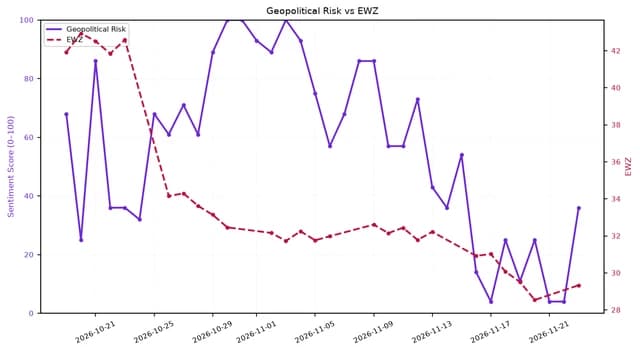
That is where markets start to care. Unilateral sanctions can disrupt trade routes, payment systems, shipping insurance and energy flows, while also raising the risk premium on jurisdictions perceived as politically exposed. Even when the direct target is not Brazil, the broader debate can affect capital flows into Latin America by reinforcing the sense that emerging markets are becoming more politicized and less predictable. The latest move in global risk gauges also fits that picture: Adalytica’s Global Stability Sentiment is neutral at 36, after a sharp jump in awareness, while its US dollar trade signal shows extreme fear, a backdrop that often coincides with volatility in risk assets.
The bull case for Brazil and its regional peers is that the anti-sanctions push could strengthen South-South political coordination and reduce the scope for broader financial fragmentation. That could support trade ties, commodity flows and local-currency financing over time. The bear case is that louder opposition to sanctions does little to alter the underlying power balance, while keeping Latin America closer to the center of great-power disputes and preserving a risk discount in equities and sovereign assets.
For now, the immediate market read is less about the UN text itself than about the politics it reflects: a more organized diplomatic challenge to sanctions at a time when investors are already repricing exposure to emerging markets. If that division widens, the cost of capital for politically sensitive countries could rise further, even when headline macro data look stable.
| Entity | Gains | Losses |
|---|---|---|
| Cuba and Lula’s Brazil | ▲Diplomatic leverage | ▼Sanctions critics |
| US, Israel and Argentina | ▲Hard-line sanctions stance | ▼UN voting margin |
| EWZ and Latin America ETFs | ▲Short-term oversold bounce potential | ▼Momentum buyers |
| Emerging-market borrowers | ▲Anti-sanctions political cover | ▼Higher risk premium |