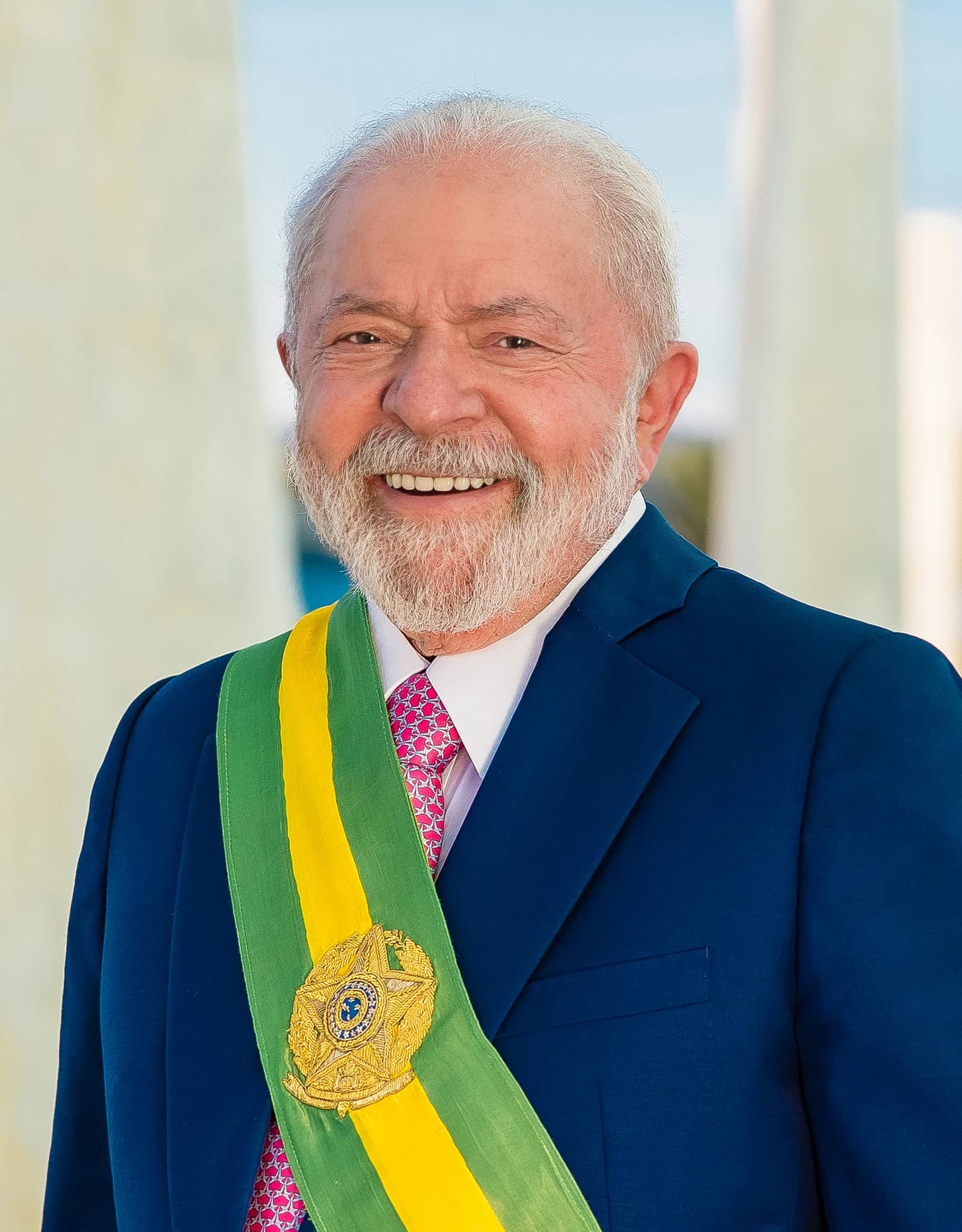
Brazil’s decision to formally recognize 362,243 hectares of indigenous territory in Mato Grosso and Pará is another sign that President Luiz Inácio Lula da Silva is using land policy to reinforce environmental governance, indigenous rights and the state’s control over the Amazon frontier.
Brazil Recognizes Kapôt Nhĩnore Indigenous Territory
The declaration of the Kapôt Nhĩnore territory is economically important because it tightens protections over a large forested area in a region where land use, illegal clearing and agribusiness expansion often collide. Government figures show about 83% of the land remains forested, including sacred sites and old cemeteries, so the move raises the legal and political cost of encroachment while strengthening conservation in a part of the Xingu basin that matters for Brazil’s climate credentials.
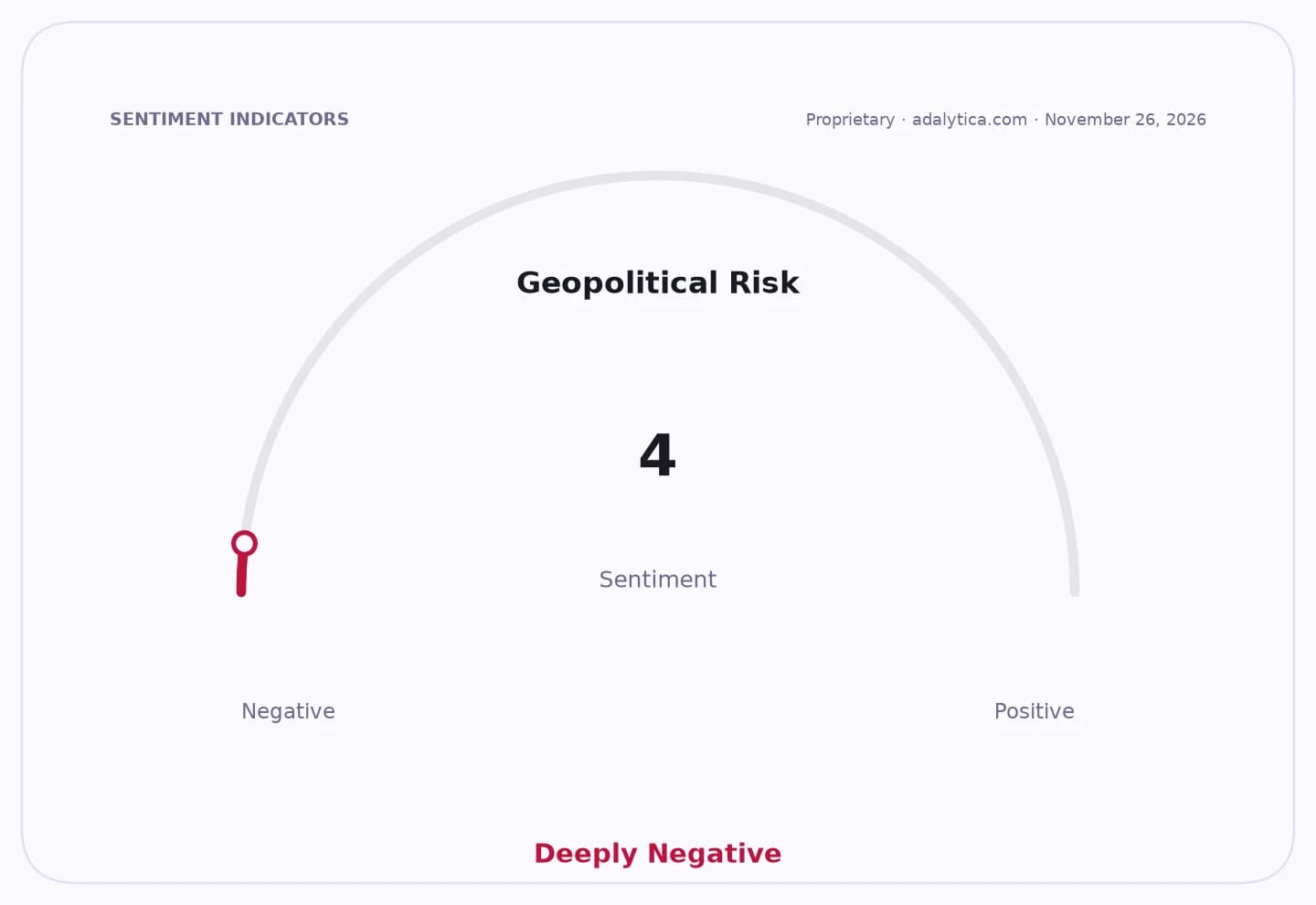
Sentiment Indicators
For investors, the policy is relevant beyond symbolism. Brazil’s rural land market, forest compliance rules and the operating environment for farming, logistics and natural-resource businesses all depend on how clearly land rights are defined. More formalized indigenous boundaries can limit future clearing and constrain asset values in contested areas, but they can also reduce legal uncertainty over time by clarifying where agricultural expansion is off limits.
The timing also matters for markets that track Brazil’s political risk and environmental policy mix. EWZ, the iShares MSCI Brazil ETF, has fallen sharply from above $42 in October to $29.34 on Tuesday, with the 50-day moving average below the 200-day average and RSI readings in oversold territory. That shows investors are already discounting a weaker near-term backdrop for Brazilian assets, and land policy is one more reminder that Lula’s agenda is likely to favor regulation and enforcement over deregulation.
The announcement has a broader legal and political dimension. The territory has been disputed for decades, after colonization pressures pushed indigenous communities off the area in the 1950s and later demarcation left Kapôt Nhĩnore outside the neighboring Capoto/Jarina reserve. A federal court had already ruled against the state for delays in regularization, and the new portaria declaratória recognizes the boundaries and permanent indigenous possession, even though the full demarcation process still requires further steps, including presidential homologation.
Lula’s visit to cacique Raoni Metuktire, one of Brazil’s best-known indigenous leaders, underlined the political message. By tying the decision to rights, citizenship and cultural preservation rather than the amount of land alone, the government is signaling that indigenous demarcation remains a central part of its Amazon strategy, not a side issue.
For landowners, agribusiness and investors exposed to Brazil’s frontier states, the immediate consequence is a more restrictive legal map. For environmental advocates and indigenous communities, it is an important gain that could strengthen conservation and reduce conflict. The next test is whether Brasília can translate this declaration into final homologation and sustained enforcement in a region where legal recognition often matters only if it is backed by on-the-ground protection.
| Entity | Gains | Losses |
|---|---|---|
| Indigenous communities in Kapôt Nhĩnore | ▲Land rights recognized | ▼None immediate |
| Lula government | ▲Environmental credibility | ▼Agribusiness pushback |
| Conservation advocates | ▲Forest protection | ▼Less land conversion |
| Frontier landholders | ▲Legal clarity | ▼Expansion limits |