Luiz Inácio Lula da Silva’s reelection gives Brazil a rare chance to keep its climate agenda alive, but the real fight now is in Congress, where a conservative, pro-agriculture majority could dilute or delay the policies that underpin his green-growth pitch.
Brazil Congress Weighs Lula Climate Agenda
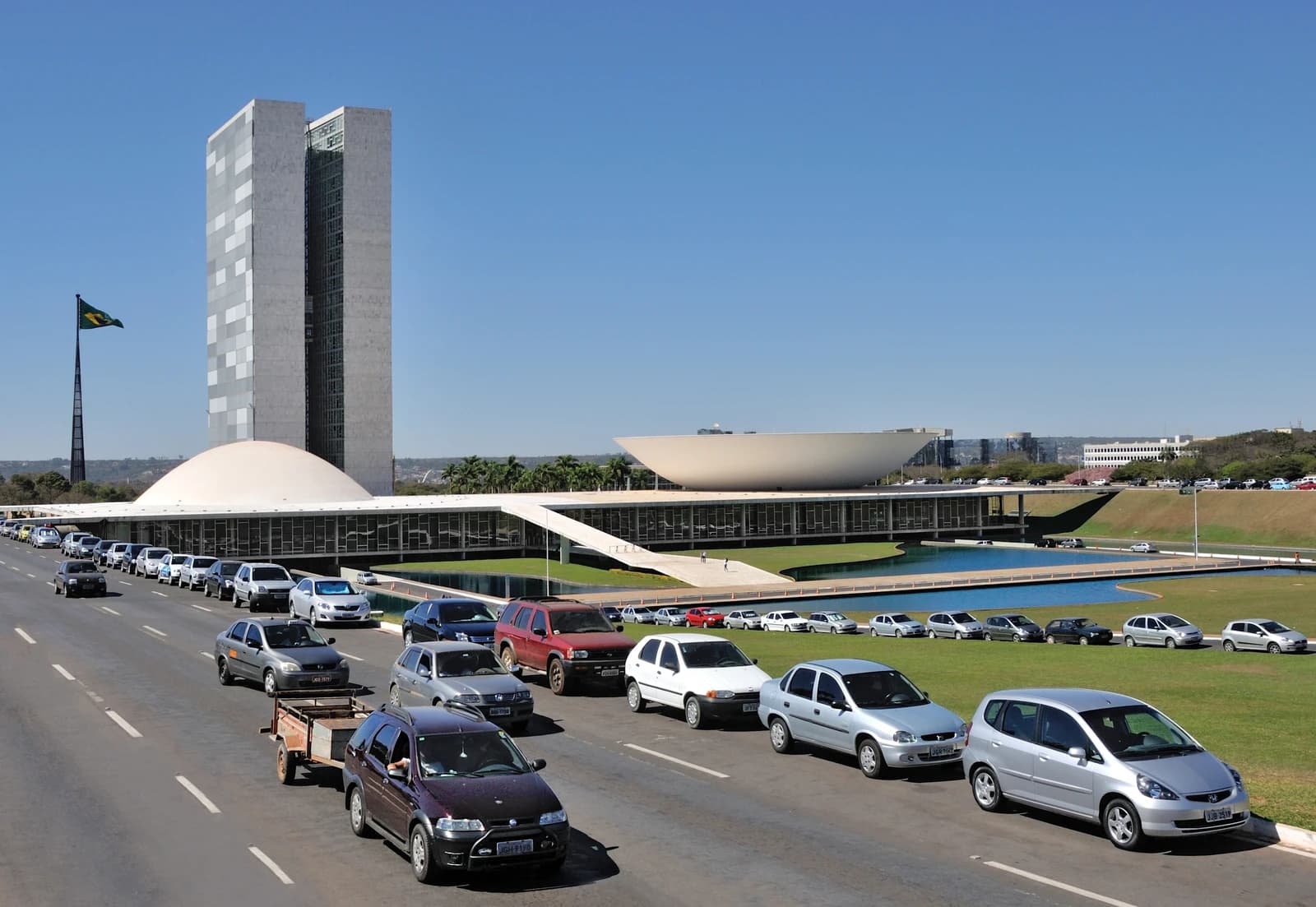
That matters well beyond Brasília. Lula has made environmental credibility a central plank of Brazil’s effort to attract foreign capital, burnish its role at global climate talks and reframe the country as a supplier of green, digital and creative growth rather than only soy, cattle and oil. A legislative backlash would not only weaken deforestation controls and protected areas; it could also undermine Brazil’s standing with investors pricing the country as a long-term play on climate leadership, renewable power, and nature-based finance.
Sentiment Indicators
The stakes are clear in the numbers. Roughly seven in 10 lawmakers in the new legislature oppose the socio-environmental agenda, according to an analysis by Brazil’s biggest environmental coalition. In the Senate, Flávio Bolsonaro’s Liberal Party will be the largest bloc with 29 of 81 seats, while also holding a majority in the lower house. More than 40 bills are already waiting to loosen rules on protected areas, private-land conservation and enforcement of anti-deforestation laws. Congress already passed a watered-down environmental licensing law last year that could speed approvals for large projects such as data centers and heavy infrastructure, even as it makes environmental scrutiny less demanding.
For investors, that creates a split-screen market. On one side is the bullish long-term case for Brazil’s climate story: Netherlands pledged $500 million to Lula’s forest-protection fund, a sign that his credibility still opens doors abroad, and his government has already helped push deforestation and emissions lower from the peaks of the Bolsonaro years. On the other side is the political reality that the legislature can blunt the execution of that strategy, especially where agribusiness, mining and land-use rules collide with conservation.
That tension also shapes the energy trade-off. Lula has spoken about Brazil’s role in phasing out fossil fuels, and news of Petrobras’ first oil discovery in the Amazon basin underscores how hard that transition will be. Brazil is already Latin America’s biggest oil producer and the world’s seventh largest, so the country is not stepping away from hydrocarbons anytime soon. Yet the more Lula leans into new exploration, the more he risks diluting the environmental brand that has helped secure diplomatic and financial support.
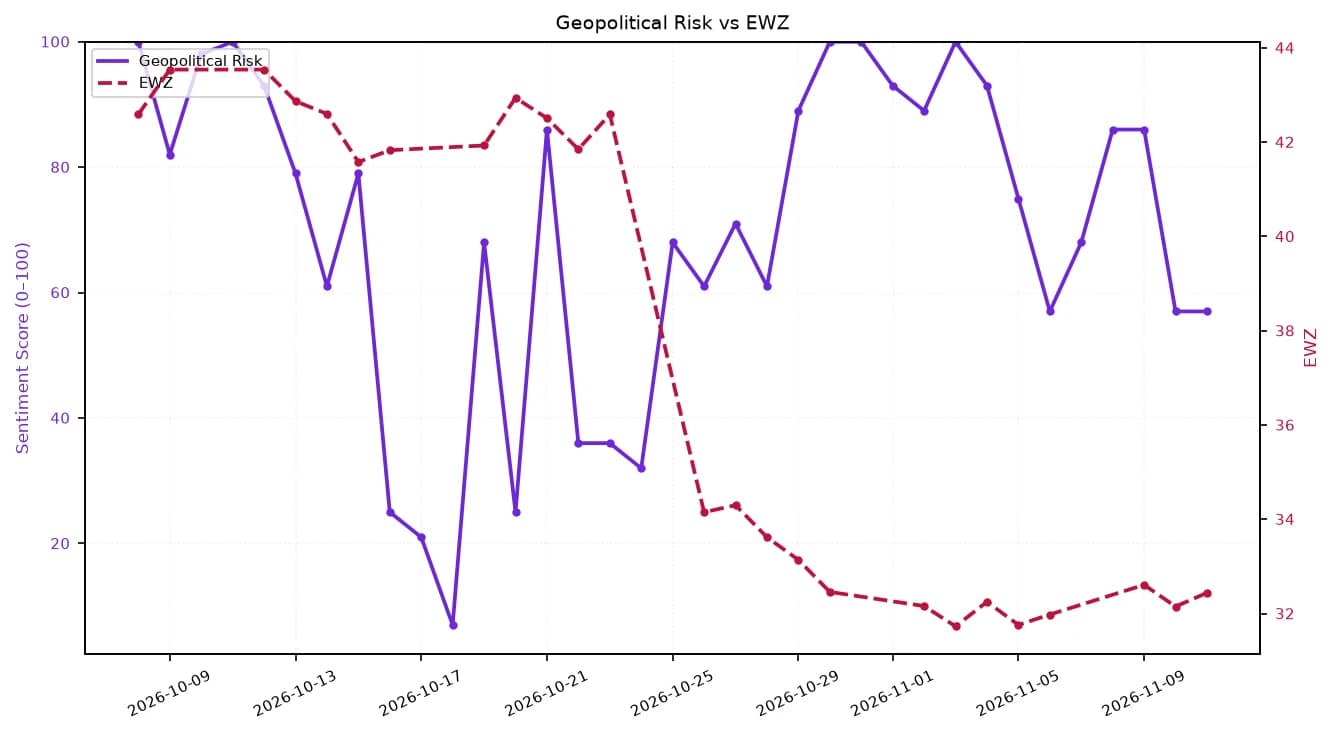
The market implications are immediate for Brazil-linked assets. EWZ, the iShares MSCI Brazil ETF, has already been violently repriced, falling to $31.98 on Nov. 6 from $42.59 on Oct. 23, with the 14-day RSI collapsing to 17.3, a conventional oversold reading. That kind of move tells you investors are not just reacting to politics; they are repricing policy credibility, earnings visibility and capital-flow risk. The key question now is whether Congress forces a broader discount on Brazil’s environmental governance, or whether Lula can use street support, international backing and executive power to keep the green agenda intact.
My take: this is exactly the kind of political showdown that creates asymmetric opportunity. If Lula can hold the line, Brazil remains one of the world’s most important long-duration plays on renewable energy, biofuels, forest finance and climate-linked infrastructure. If he cannot, the losers are not just conservationists — they are the premium multiple attached to Brazil’s ESG comeback, and any company whose business case depends on a more permissive, less politicized environmental regime. For investors, the trade is to stay selective, favor the names exposed to decarbonization capex and grid buildout, and treat Brazil’s environmental policy fight as a catalyst, not background noise.
| Entity | Gains | Losses |
|---|---|---|
| Lula / environmental agenda | ▲International credibility | ▼Legislative obstruction |
| Agribusiness bloc | ▲Easier land-use rules | ▼Stricter deforestation enforcement |
| Petrobras | ▲New offshore growth optionality | ▼Climate-brand discount |
| EWZ / Brazil bulls | ▲Re-rating if policy holds | ▼Higher risk premium if gridlock deepens |