Brazil’s election fight is increasingly being defined by who can credibly take on drug cartels, a theme that can reshape public security spending, investor risk appetite and the outlook for the country’s biggest stocks.
Brazil election debate turns to cartel crackdown
The issue matters because cartel violence is not just a law-enforcement problem in Latin America’s largest economy. It affects transport routes, fuel distribution, ports, border controls and local business activity, while also shaping how much political capital the next government has to spend on policing, courts and anti-corruption efforts.
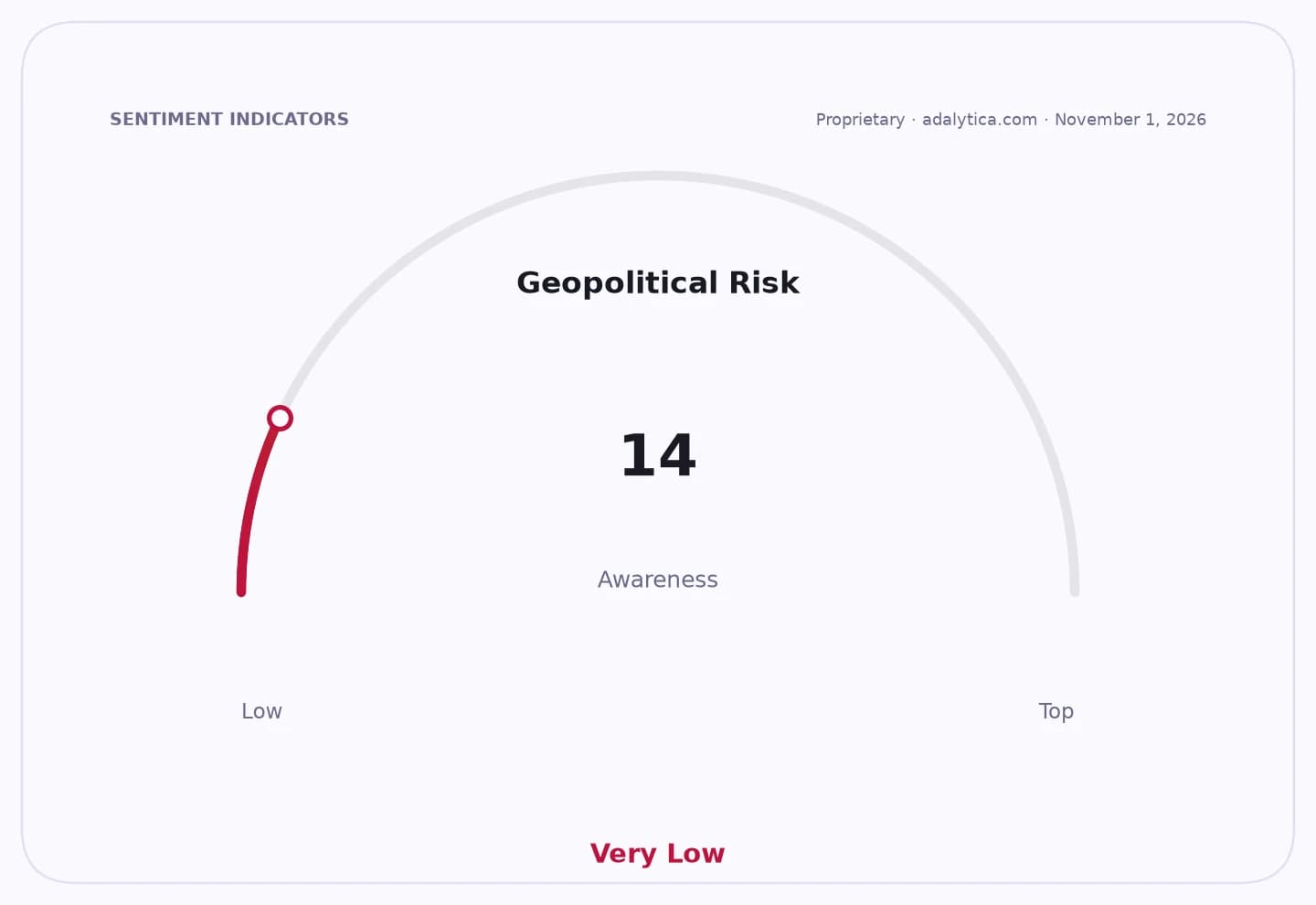
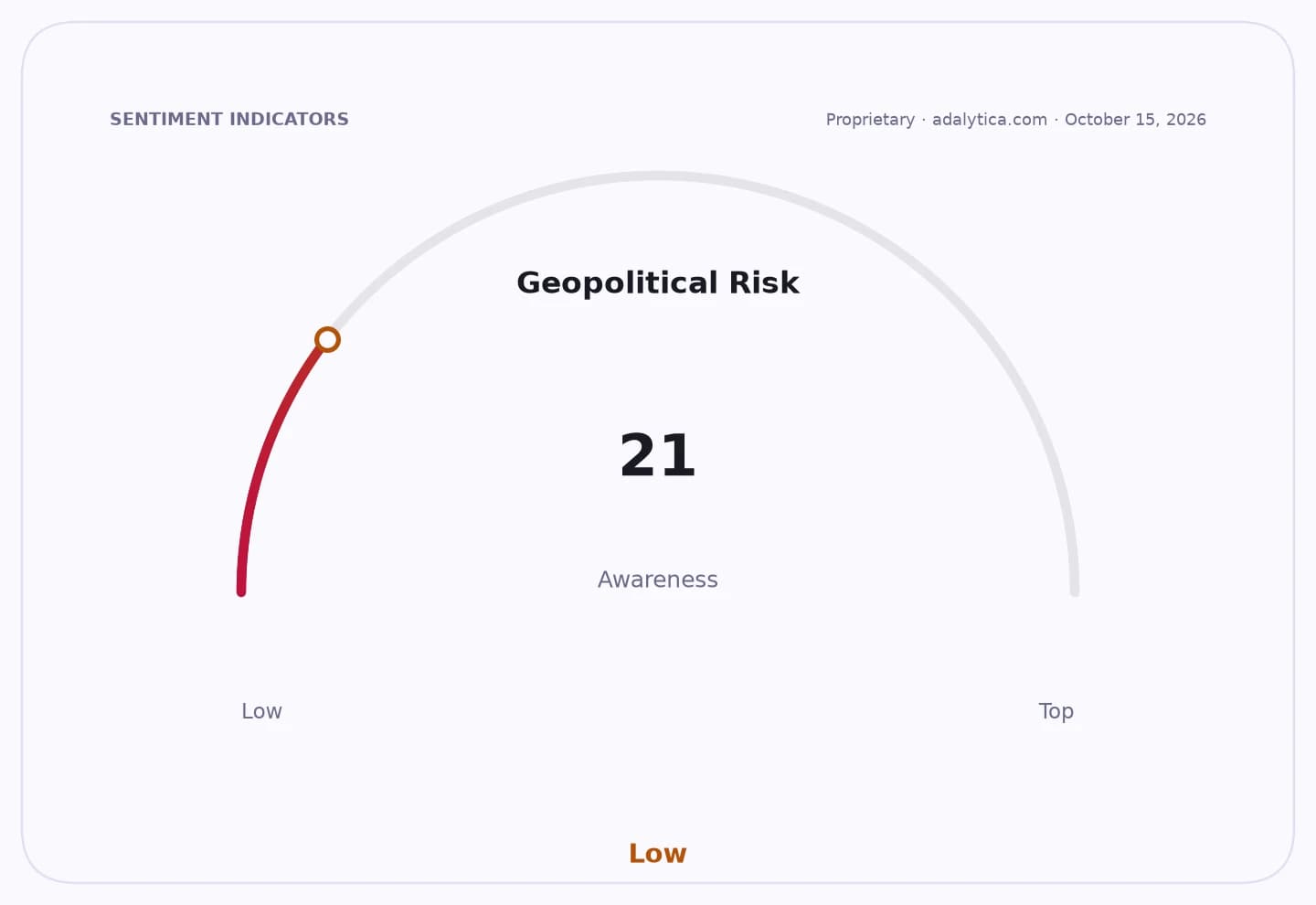
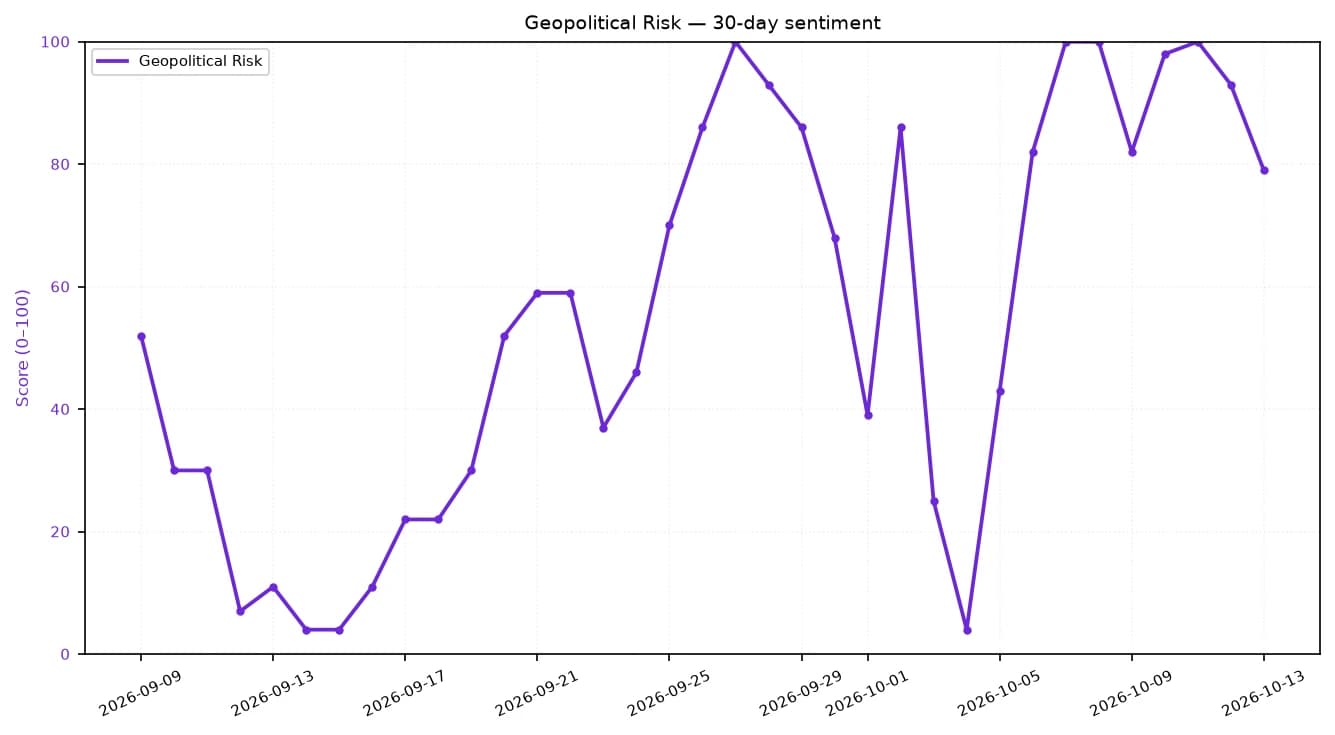
Sentiment Indicators
Markets are already treating Brazil as a higher-stakes political trade. The iShares MSCI Brazil ETF, EWZ, has swung sharply, dropping to $32.46 on Oct. 30 from $42.59 a week earlier, with the 14-day RSI at 14.4, a level that points to deeply oversold conditions after a violent selloff. Petrobras, by contrast, has held up better, closing at $22.05 after trading as high as $26.16 on Oct. 23, while the stock’s RSI has also cooled to 27.4, suggesting investors are reassessing how much of Brazil’s political risk is already priced in.
For investors, the cartel theme matters because it sits at the intersection of governance, fiscal policy and energy security. Petrobras’ business is tied to domestic fuel flows and export logistics, and recent company disclosures showed oil-products export allocations shifting across regions, underscoring how sensitive Brazil’s energy trade is to changing conditions at home and abroad.
The political backdrop is adding to the uncertainty. Courts have ordered Senator Flávio Bolsonaro to surrender his passports and barred him from leaving Brazil amid corruption and money-laundering investigations, a reminder that the country’s conservative camp remains under legal pressure even as the election debate turns to security and public order.
That leaves investors watching for two catalysts: whether the anti-cartel agenda becomes central to policy proposals, and whether the election outcome brings more stability to Brazil’s security and business environment. If it does, Brazilian equities and locally exposed asset prices could recover some of the ground lost in the recent rout; if it doesn’t, volatility is likely to stay elevated.
| Entity | Gains | Losses |
|---|---|---|
| Security-focused candidates | ▲Voter support | ▼Policy credibility risk |
| Petrobras | ▲Fuel logistics stability | ▼Election-driven volatility |
| EWZ buyers | ▲Oversold rebound potential | ▼Near-term political noise |
| Cartel-linked illicit networks | ▲None | ▼Stricter enforcement |