Brazil’s Supreme Court has ordered the removal of the ankle bracelet worn by former labor and social security minister Ahmed Mohamad Oliveira Andrade, but the move does not end the graft case hanging over one of the most politically sensitive fraud probes in the country.
Brazil court removes ankle bracelet from ex-minister

Justice André Mendonça granted the request on Tuesday after a recommendation from the federal prosecutor’s office, which said Oliveira had not acted in a way that could obstruct the investigation into illegal deductions from pensions and retirement benefits at the National Social Security Institute, or INSS. Mendonça kept other restrictions in place, including a ban on contact with other suspects, a prohibition on leaving Brazil and a 24-hour deadline to surrender his passport.
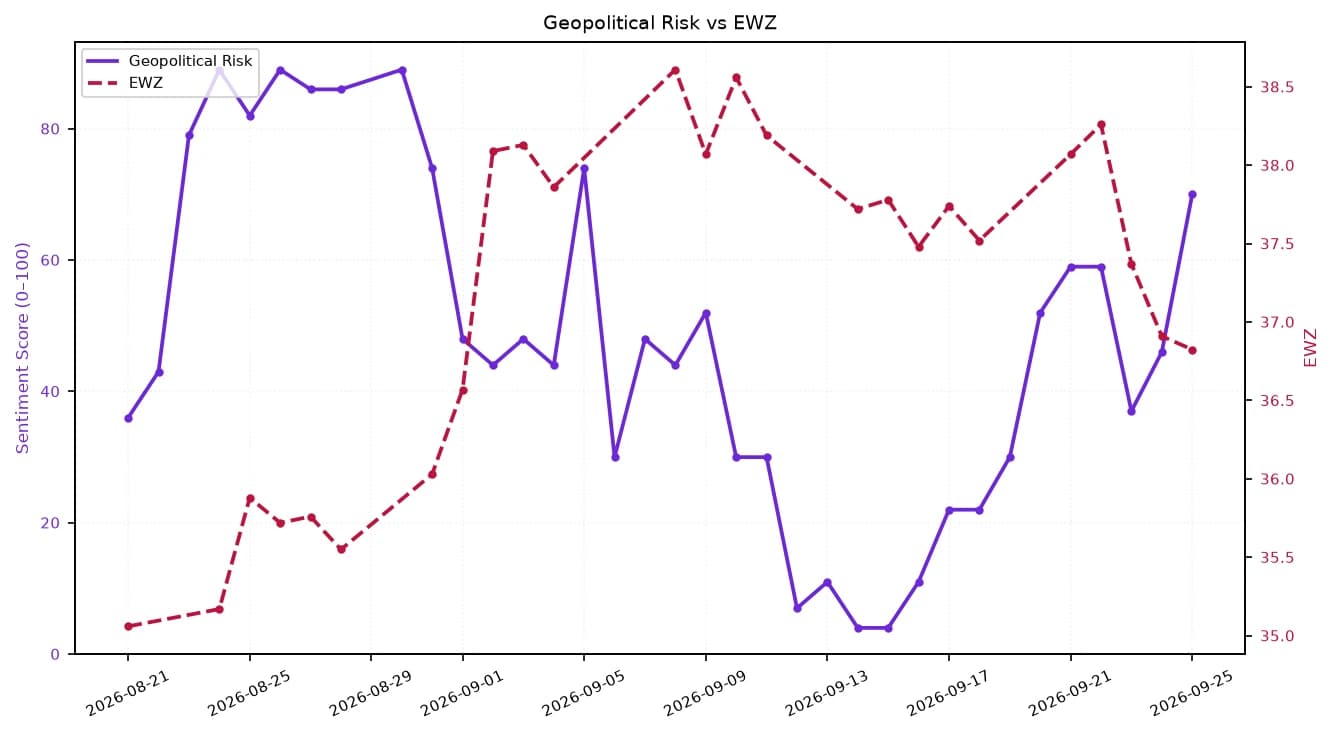
Sentiment IndicatorsⓘProprietary · adalytica.com · September 10, 2026
This is a snapshot — live sentiment, awareness and momentum for 130+ markets update continuously in the dashboard.Open AlphaPulse
The decision narrows one layer of restraint without altering the core legal risk for Oliveira, who is alleged by federal police to have played a “strategic” role in the “functioning and shielding” of the scheme. Investigators say a February 2023 spreadsheet records a R$100,000 payment tied to him, while WhatsApp messages are cited as evidence of gratitude for allegedly improper transfers.
The case matters economically because it points to alleged abuse inside a huge public-benefit system that affects millions of retirees and pensioners. Fraud that diverts pension deductions can damage public finances, raise enforcement costs and deepen pressure on an already stretched social security apparatus.
It also carries political weight because Oliveira served under former president Jair Bolsonaro and previously led the INSS, placing the case squarely inside Brazil’s broader corruption and institutional accountability debate. The former minister has denied wrongdoing, telling a congressional inquiry last year that any abuses should be punished but that authorities should not “pre-criminalize” people.
For investors, the story is less about one defendant than about Brazil’s institutional risk premium. A widening corruption probe that touches pensions, federal policing and the Supreme Court can keep attention on governance, public-sector controls and legal uncertainty, all of which influence sentiment toward Brazilian assets.
That backdrop comes as Brazil already faces heightened scrutiny over financial crime and judicial independence, reinforcing the view that enforcement headlines can move perceptions around the real, the sovereign and domestic financial names even when they do not immediately alter policy.
The next catalyst is whether prosecutors push the investigation further or file new charges, while markets will also be watching for any spillover into the wider crackdown on benefit fraud and public-sector controls.
| Entity | Gains | Losses |
|---|---|---|
| André Mendonça / STF | ▲Judicial discretion upheld | ▼Faces scrutiny over leniency |
| Prosecutors / PGR | ▲Keeps travel and contact restraints | ▼Less visible pressure from monitor removal |
| Former minister Ahmed Oliveira | ▲No ankle bracelet | ▼Still under investigation and travel limits |
| Brazil government / INSS beneficiaries | ▲Potential stronger fraud scrutiny | ▼Confidence in social-security controls |