Brazil’s customs service has recorded a surge in seizures of semaglutide and tirzepatide products on the Paraguay border, underscoring how the booming market for weight-loss drugs is drawing contraband into one of South America’s busiest smuggling corridors.
Brazil customs seizes GLP-1 drugs on Paraguay border
The spike matters because it points to a fast-growing gray market built on a sharp price gap: an ampoule of tirzepatide sells for about R$340 in Paraguay, versus starting prices of R$1,400 in Brazil for Eli Lilly’s Mounjaro. That spread is large enough to keep attracting traffickers even as enforcement tightens, and it raises risks for patients buying unregulated products and for legitimate drugmakers trying to defend pricing and distribution.
Sentiment IndicatorsⓘProprietary · adalytica.com · September 7, 2026
This is a snapshot — live sentiment, awareness and momentum for 130+ markets update continuously in the dashboard.Open AlphaPulse
Brazil’s Federal Revenue Service said more than 76,000 units were seized in the first half of 2026, compared with 24,000 medicines intercepted in all of 2025. June alone accounted for 25,828 seizures worth an estimated R$4.3 million, the strongest month on record, after the agency logged only tiny captures early in 2025 before demand accelerated.
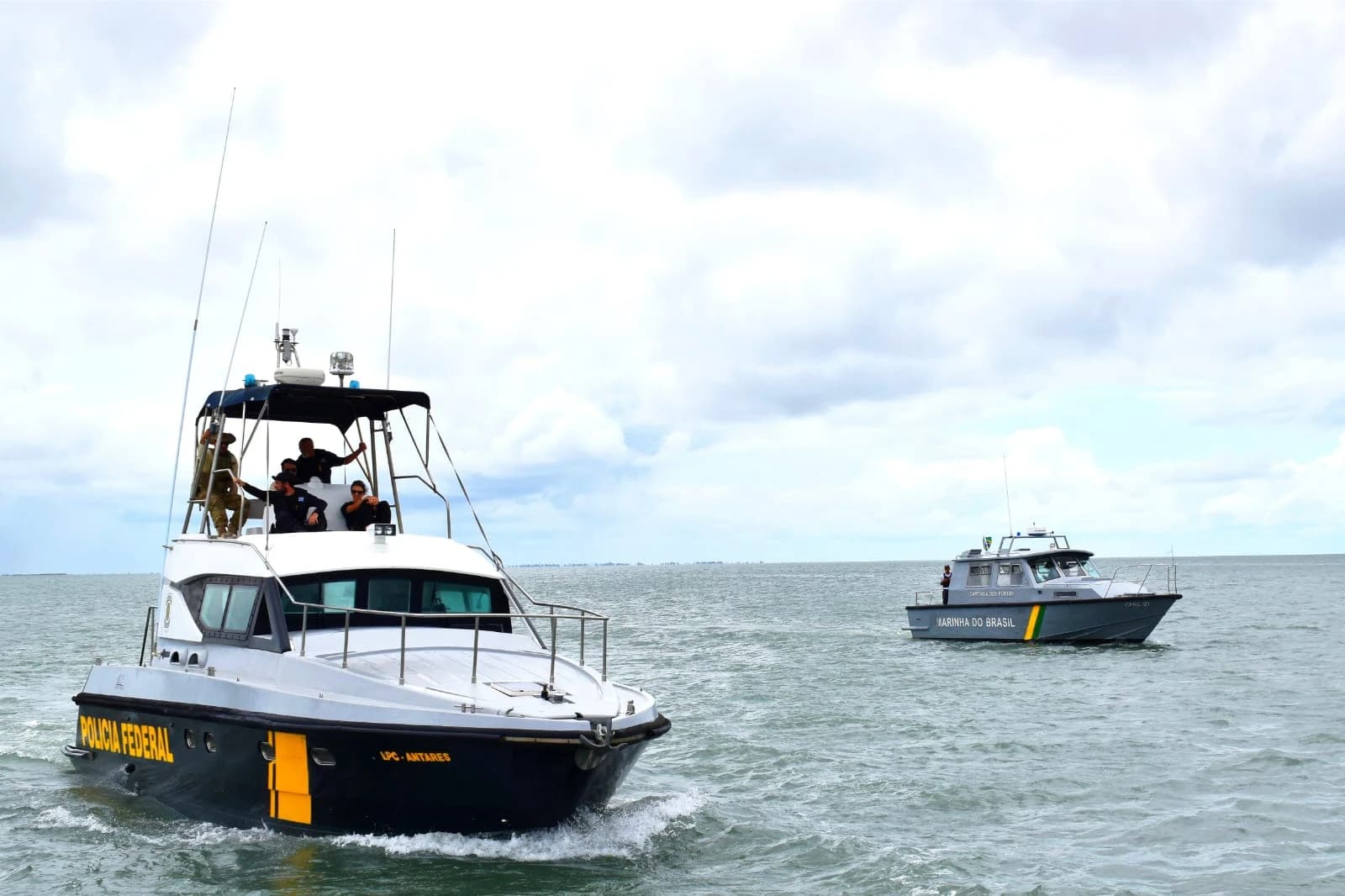
The border at Foz do Iguaçu, opposite Ciudad del Este, has long been a hub for cigarettes, electronics and weapons smuggling. Now it is becoming a pipeline for obesity and diabetes medicines, especially semaglutide and tirzepatide, two of the most sought-after drugs in the GLP-1 category.
For investors, the story cuts both ways. Eli Lilly and Novo Nordisk are benefiting from relentless global demand for obesity treatments, but the appearance of a large illicit trade signals persistent pricing pressure, access gaps and enforcement headaches that could affect sales channels in emerging markets. Pfizer, which is still trying to re-establish a role in obesity after retreating from its own experimental programs, also stands to watch the sector’s regulatory and affordability debate intensify.
Brazilian officials say the response needs to go beyond seizures, with tougher arrests, convictions and even monitoring of social media advertising, where promotion of the medicines remains largely open. The next test will be whether stricter border controls and criminal penalties can slow a trade being fed by high prices, strong consumer demand and the ease of cross-border resale.
| Entity | Gains | Losses |
|---|---|---|
| Brazilian customs | ▲Bigger enforcement case | ▼Border workload spikes |
| Legitimate drugmakers | ▲Demand validates market | ▼Smuggling undercuts channels |
| Consumers seeking cheaper access | ▲Lower black-market prices | ▼Safety and counterfeit risk |
| Traffickers | ▲High price arbitrage | ▼More seizures and penalties |