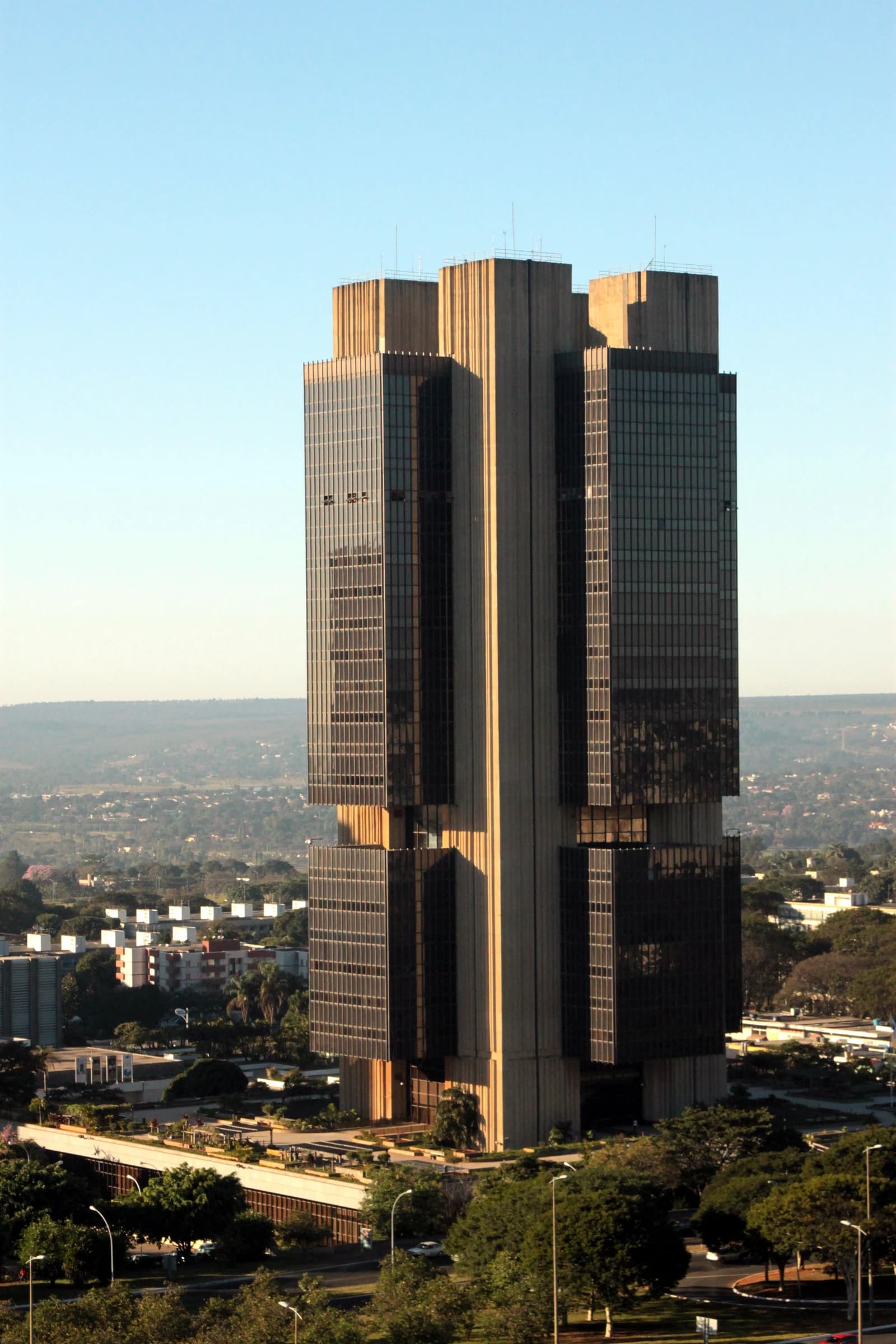
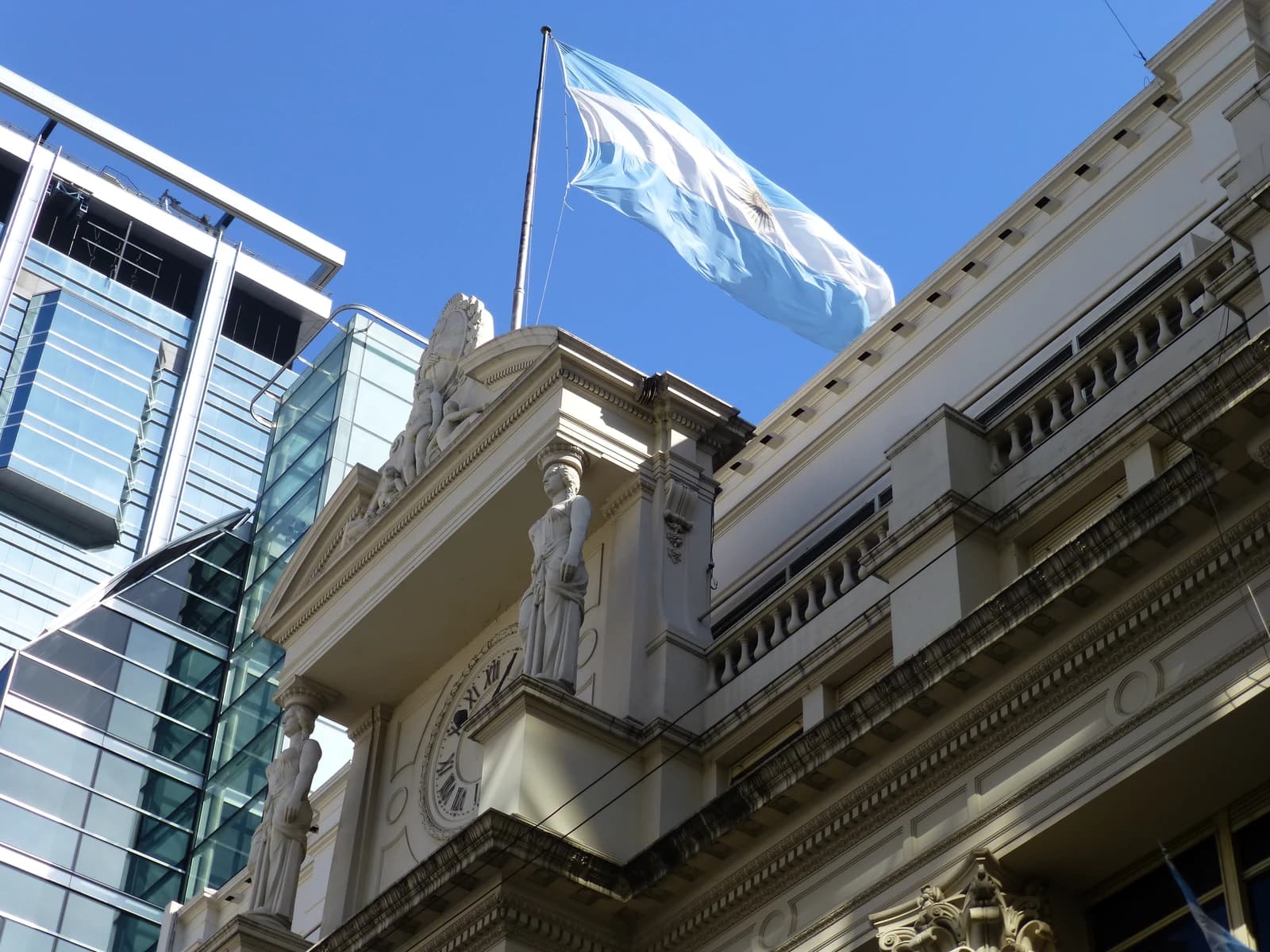
Brazil’s canceled final presidential debate is another reminder that the election’s biggest market risk is not policy detail but institutional strain, a backdrop that can keep foreign investors cautious and amplify volatility in Brazilian assets.
Brazil debate cancellation lifts uncertainty around EWZ

The cancellation, triggered by court rulings, matters because it underscores how fragmented Brazil’s political process has become just as investors are trying to price the next phase of fiscal discipline, public spending and governance. In a country already wrestling with rising debt, vacant government posts and deep polarization, the absence of a decisive campaign finish reduces clarity at the very moment markets crave it most.
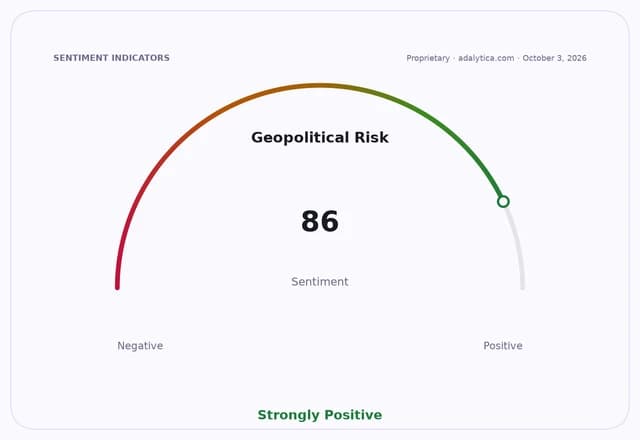
Sentiment IndicatorsⓘProprietary · adalytica.com · October 3, 2026
This is a snapshot — live sentiment, awareness and momentum for 130+ markets update continuously in the dashboard.Open AlphaPulse
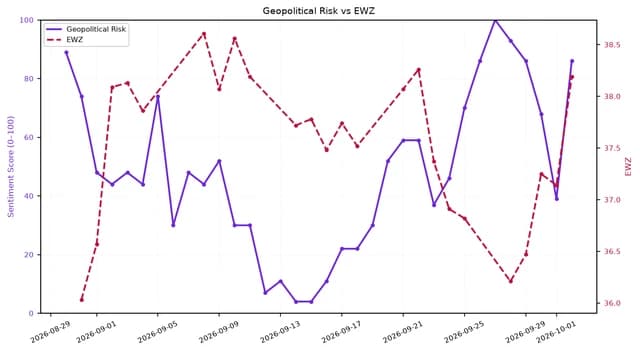
That uncertainty is showing up in the tape. The iShares MSCI Brazil ETF, EWZ, closed at $38.19 on Oct. 2, up from $35.47 on July 29 and well above its 50-day moving average of $36.34, but the move has not been linear. The fund has swung sharply in recent months, with the relative strength index jumping to 54.0 from 38.1 the day before, while volume surged to 59.9 million shares, suggesting investors are still trading Brazil around headline risk rather than committing to a clean trend.
The broader macro setup is equally sensitive. Adalytica’s Global Stability Sentiment gauge is flashing “Extreme Greed” at 86, while awareness remains in “Extreme Fear,” a combination that usually means markets are quick to chase risk but slow to fully price the next political shock. That is exactly the environment in which Brazil can overshoot on both the upside and downside: strong commodity and carry flows can lift assets, but any sign that institutions are weakening or the election is becoming more chaotic can rapidly reverse the trade.
For investors, the debate cancellation matters less as a campaign event than as a signal that the institutional premium in Brazil should stay elevated. That favors a selective approach. Exporters and dollar earners can benefit if political noise pushes the real lower, while domestically focused lenders, utilities and consumer names remain more exposed to policy uncertainty and fiscal slippage. The ETF EWZ still offers exposure to a large, liquid market, but it is best treated as a tactical instrument until the post-election policy path is clearer.
The next catalyst is not another debate but the composition of the incoming administration and whether it can fill key posts quickly enough to reassure markets that Brazil’s reform agenda is intact. If that confidence comes back, the recent weakness in sentiment could turn into a tradable upside move. If it does not, the market will keep assigning Brazil a higher risk discount than its growth story alone would justify.
| Entity | Gains | Losses |
|---|---|---|
| Exporters in Brazil | ▲Weaker real tailwind | ▼Policy noise |
| EWZ traders | ▲Volatility opportunities | ▼Directional clarity |
| Domestic Brazilian banks | ▲Higher rates support margins | ▼Credit risk from uncertainty |
| Foreign investors | ▲Tactical entry points | ▼Institutional premium remains high |