Brazil is not discussing any change to its inflation target, Finance Minister Dario Durigan said, in a signal aimed at reassuring investors that the government is not preparing a more interventionist turn on prices or capital flows.
Brazil denies inflation target change, capital controls

The comment matters because the inflation target is one of the clearest anchors for interest-rate expectations, bond pricing and the real’s stability. Any hint that Lula’s government might loosen that framework could have pushed up Brazil risk premia, complicated the central bank’s job and delayed foreign inflows at a time when policymakers are trying to present the country as an investable destination.
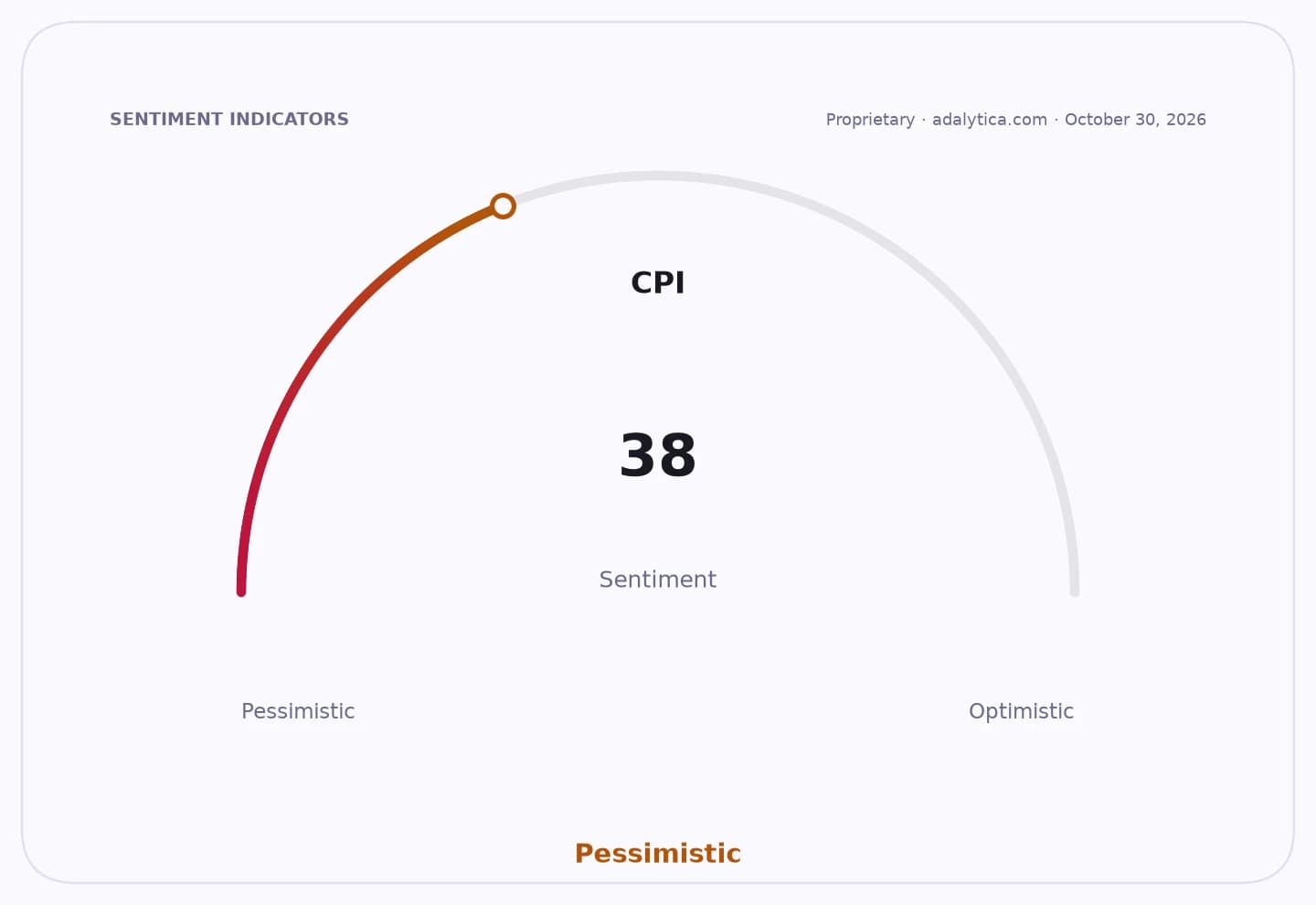
Sentiment Indicators
CPI
Durigan also denied that the government is weighing capital controls, saying there is no discussion of limiting the free flow of capital in Brazil. That is especially relevant for portfolio investors who rely on policy continuity to justify exposure to Brazilian rates, equities and the currency. The minister’s message was effectively that the administration wants to attract capital, not trap it.
The remarks come as inflation remains a live macro risk globally, with U.S. consumer prices still running hot enough to keep the Federal Reserve hawkish and Treasury yields elevated. In that backdrop, Brazil can ill afford to add policy uncertainty. The 10-year U.S. yield was around 5.17%, underscoring how tight global financial conditions remain for emerging markets.
For Brazilian assets, the immediate issue is credibility. The prospect of a higher or altered inflation target would have been read as a sign that the government was willing to redefine the policy goal rather than meet it, weakening confidence in disinflation. By rejecting that idea, Durigan is trying to preserve the framework that supports real yields and helps contain currency pressure.
His comments also suggest the administration wants to narrow the political debate around macro policy. Durigan said there is no settled position inside the Workers’ Party on capital controls or an inflation-target change and argued those ideas are not gaining traction. That matters because markets have been sensitive to any sign that the party’s more interventionist wing could shape economic policy.
The broader narrative is that Brazil is trying to market itself as stable and open even as political pressures remain. Durigan linked that pitch to efforts to strengthen the securities regulator, the CVM, and to build a governing coalition that can deliver stability over Lula’s fourth term. Investors will now look for consistency between those assurances and future fiscal, monetary and regulatory decisions.
The key test is whether the government keeps reinforcing the existing inflation framework while avoiding policy experiments that would unsettle bondholders, currency traders and foreign direct investors. For now, Durigan’s message is that no such shift is on the table.
| Entity | Gains | Losses |
|---|---|---|
| Brazilian government | ▲Reassures markets | ▼Loses room for policy experimentation |
| Bondholders and FX investors | ▲Policy continuity | ▼Fewer fears of intervention |
| Central bank | ▲Clearer inflation framework | ▼Less political flexibility |
| Advocates of capital controls | ▲Lower traction | ▼Reduced chance of influence |