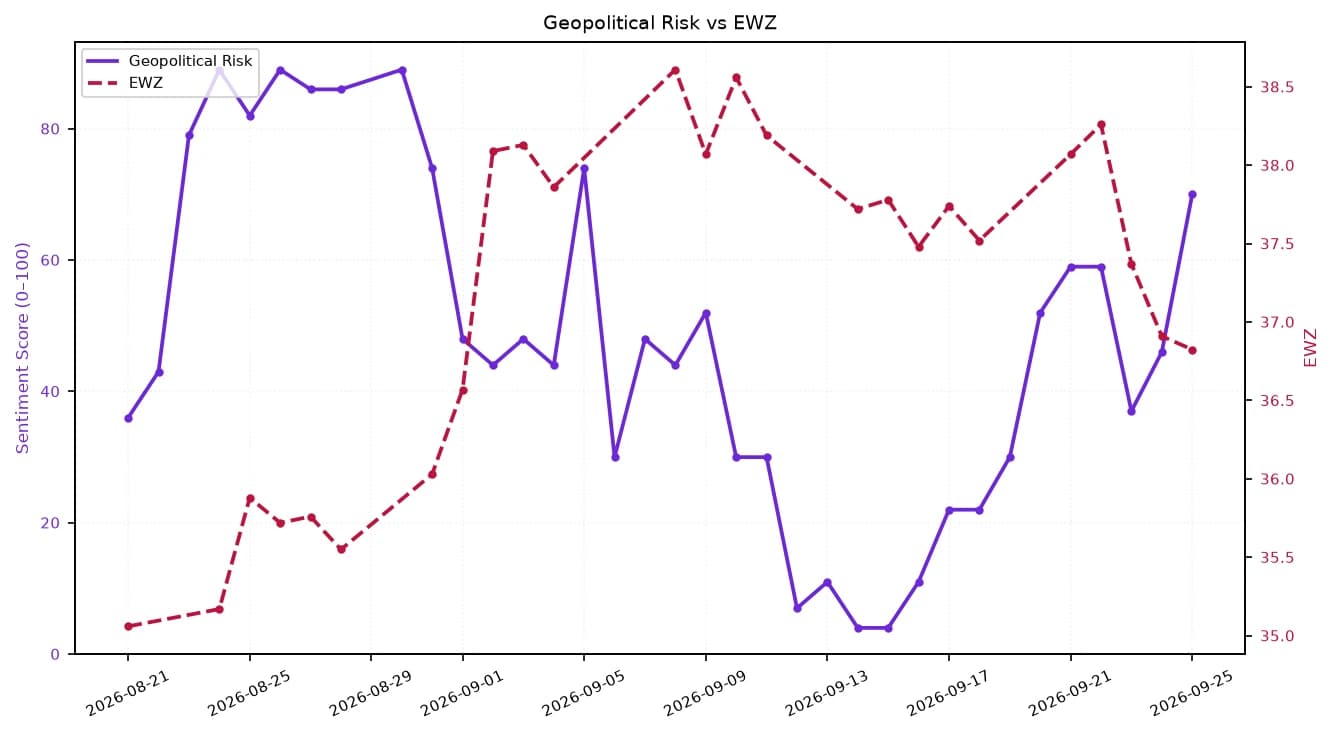
Brazil’s 2026 presidential race is turning into a market event, with a bitter Supreme Court feud threatening institutional credibility just as voters prepare to choose between Lula da Silva and Flavio Bolsonaro.
Brazil 2026 Election Rattles EWZ, Real, Petrobras
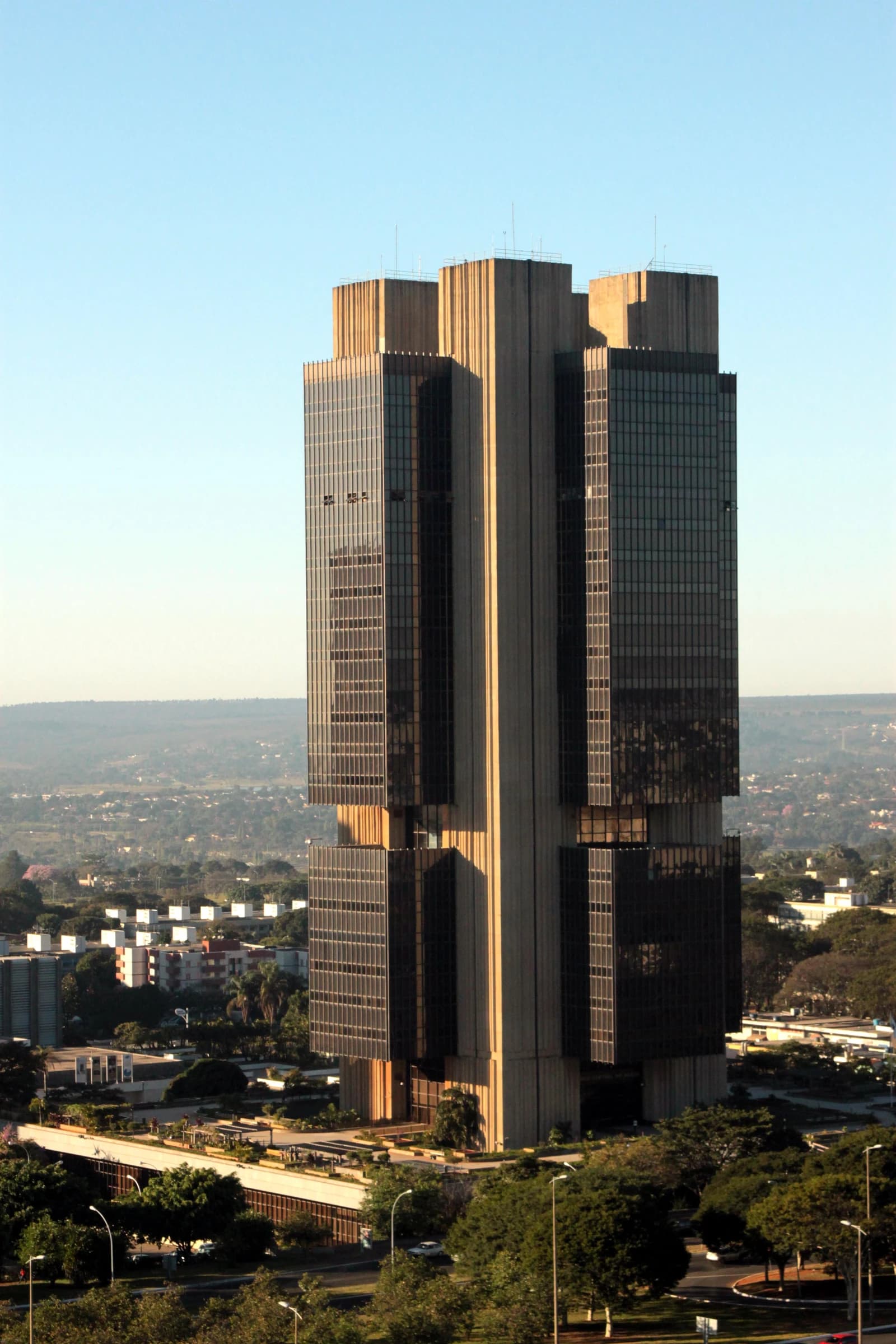
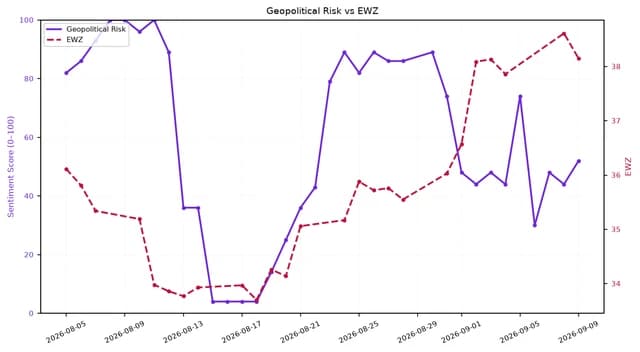
That matters because Brazil’s biggest investable assets — from the real to the EWZ ETF and state-controlled Petrobras — trade not just on earnings, but on confidence that policy will be made inside a functioning constitutional framework. When the Supreme Federal Court is seen as fractured, the risk premium on Brazilian assets rises, even before a single ballot is cast.
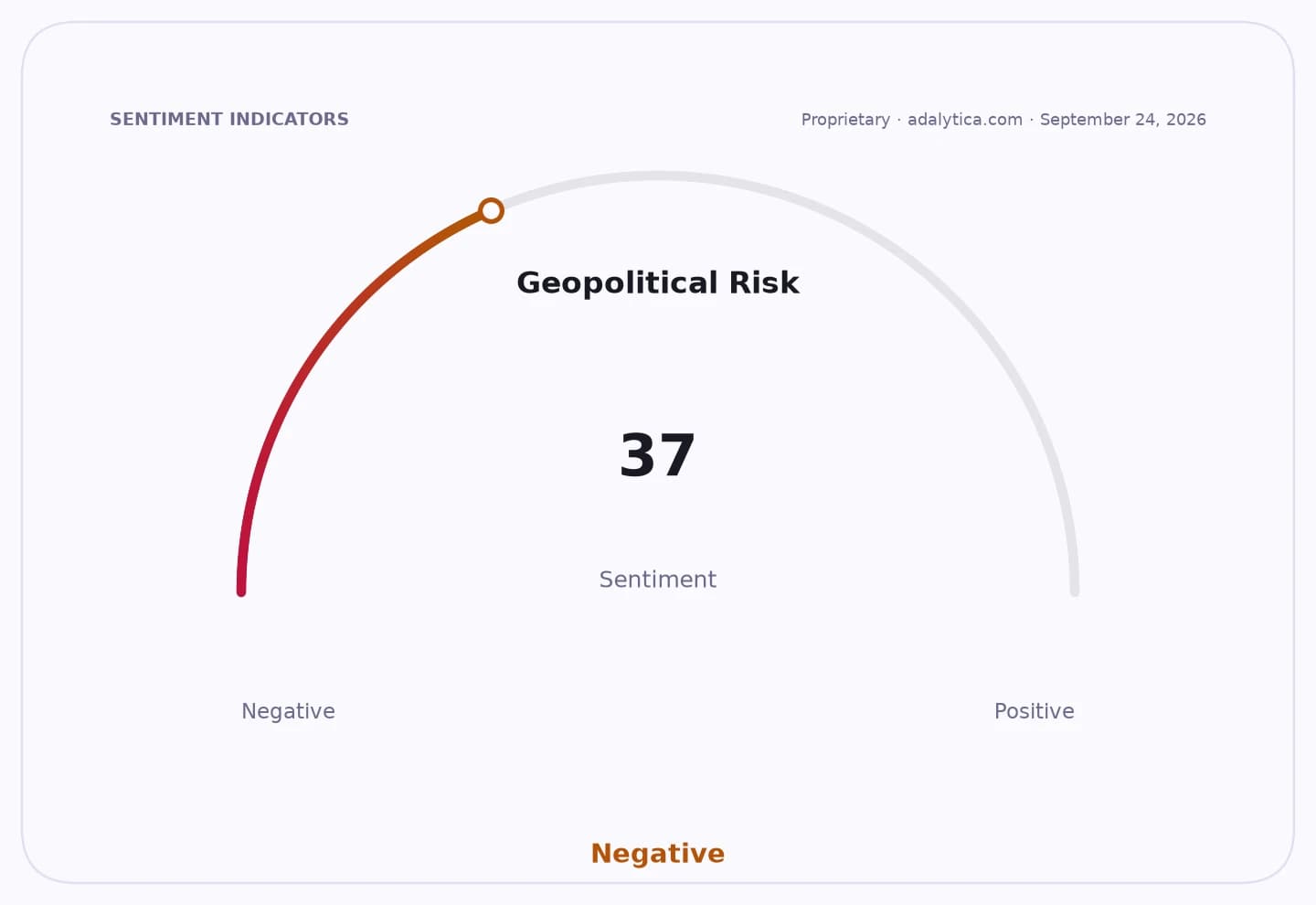
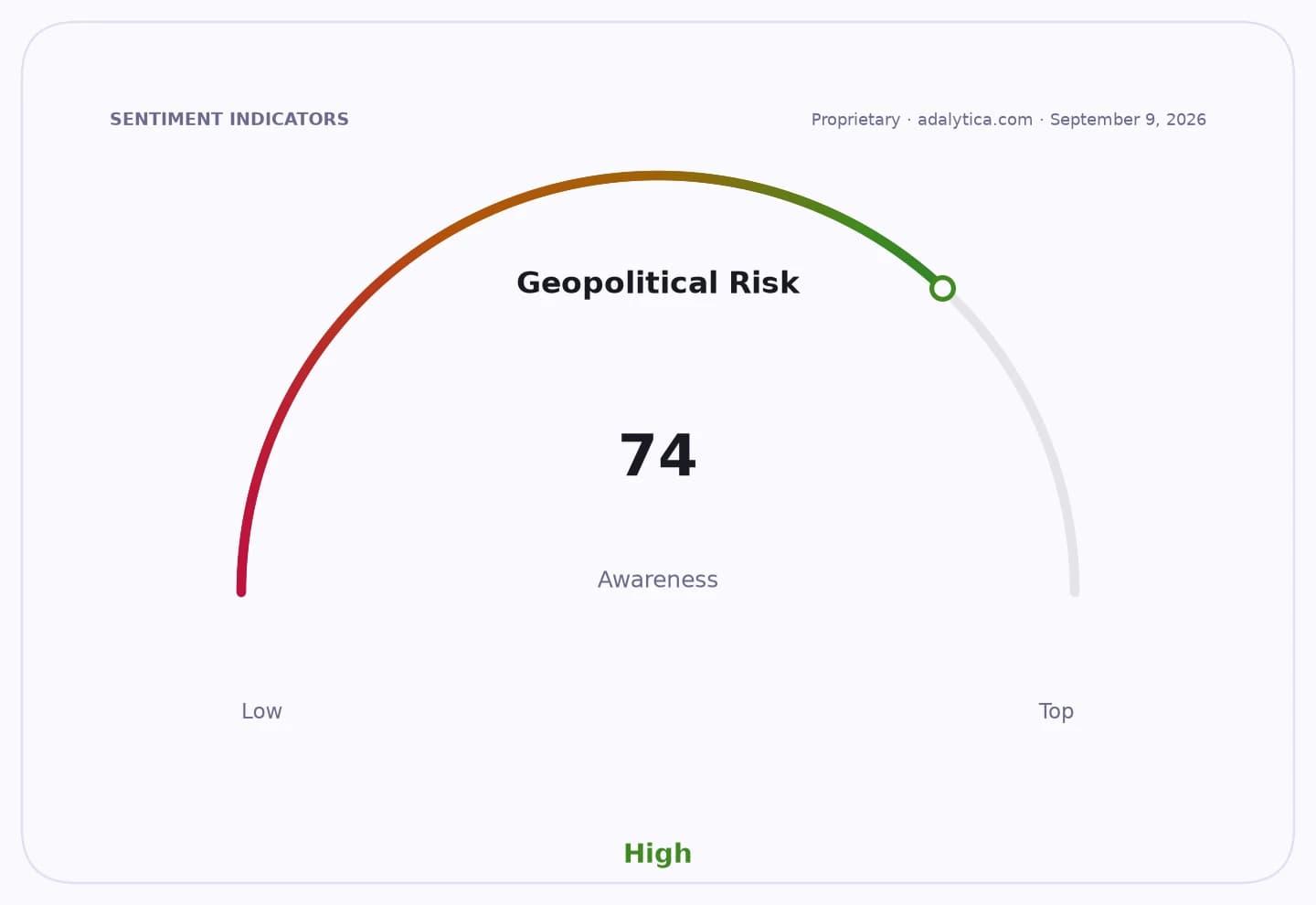
Sentiment IndicatorsⓘProprietary · adalytica.com · September 9, 2026
This is a snapshot — live sentiment, awareness and momentum for 130+ markets update continuously in the dashboard.Open AlphaPulse

The immediate concern is political legitimacy. The dispute between Justice Alexandre de Moraes and Justice André Mendonça has escalated into a public fight that sharpens doubts over the court’s neutrality at the worst possible time. In a close election, that kind of institutional stress can fuel street pressure, legal challenges and post-vote volatility, all of which investors hate because they stretch uncertainty well beyond election day.
Markets have already started to price that risk. EWZ has climbed to 38.15, near its recent highs, but the rally has gone with stretched technicals rather than clean conviction: its relative strength index is still elevated at 80.7, and the exchange-traded fund is trading above its 50-day and 200-day moving averages. That is a sign of momentum, not comfort. If the election fight turns messier, foreign money can leave Brazil quickly, and the real would be one of the first pressure points.
Petrobras is the cleaner reflection of the same political trade. The stock has surged to 20.98 from 16.97 in mid-July, showing how aggressively investors are positioning around Brazil’s political backdrop and commodity leverage. But the move also leaves the name vulnerable if the election narrative shifts from reform and market-friendly hopes to governance stress, populist spending or renewed intervention risk.
The broader setup is straightforward: Brazil is still offering one of the most attractive political-risk trades in emerging markets, but the discount only works if institutions hold. A contested vote or a court legitimacy crisis would not just be a domestic headache; it would feed into capital flows, borrowing costs and the valuation investors are willing to pay for Brazilian equities, banks, exporters and energy names.
Our view is that the market underestimates how quickly this story can become a second-order macro shock. If the judiciary fracture deepens, the biggest winners are volatility traders, dollar bulls and anyone positioned for a higher Brazil risk premium. The losers are long-only EM investors who have been leaning on the rally in EWZ and Petrobras without enough protection. The time to position is before the legal and political noise becomes the main event.
| Entity | Gains | Losses |
|---|---|---|
| EWZ bears | ▲Higher volatility | ▼Momentum longs |
| Petrobras | ▲Election premium | ▼Governance-sensitive holders |
| U.S. dollar | ▲Safe-haven demand | ▼Brazilian real |
| Flavio Bolsonaro / Lula da Silva | ▲Campaign mobilization | ▼Institutional trust |