Brazil’s presidential race has tightened into a near dead heat, turning Monday’s vote into a test of whether investors get policy continuity and institutional stability or a sharper shift in the country’s economic direction.
Brazil election tightens as investors watch policy
The stakes go beyond politics. Brazil is heading to the polls with public finances strained, unemployment still a drag on consumption and institutions under pressure from a record number of vacancies across government. That mix matters for markets because it will shape everything from fiscal credibility and state intervention to the investment climate in Latin America’s largest economy.
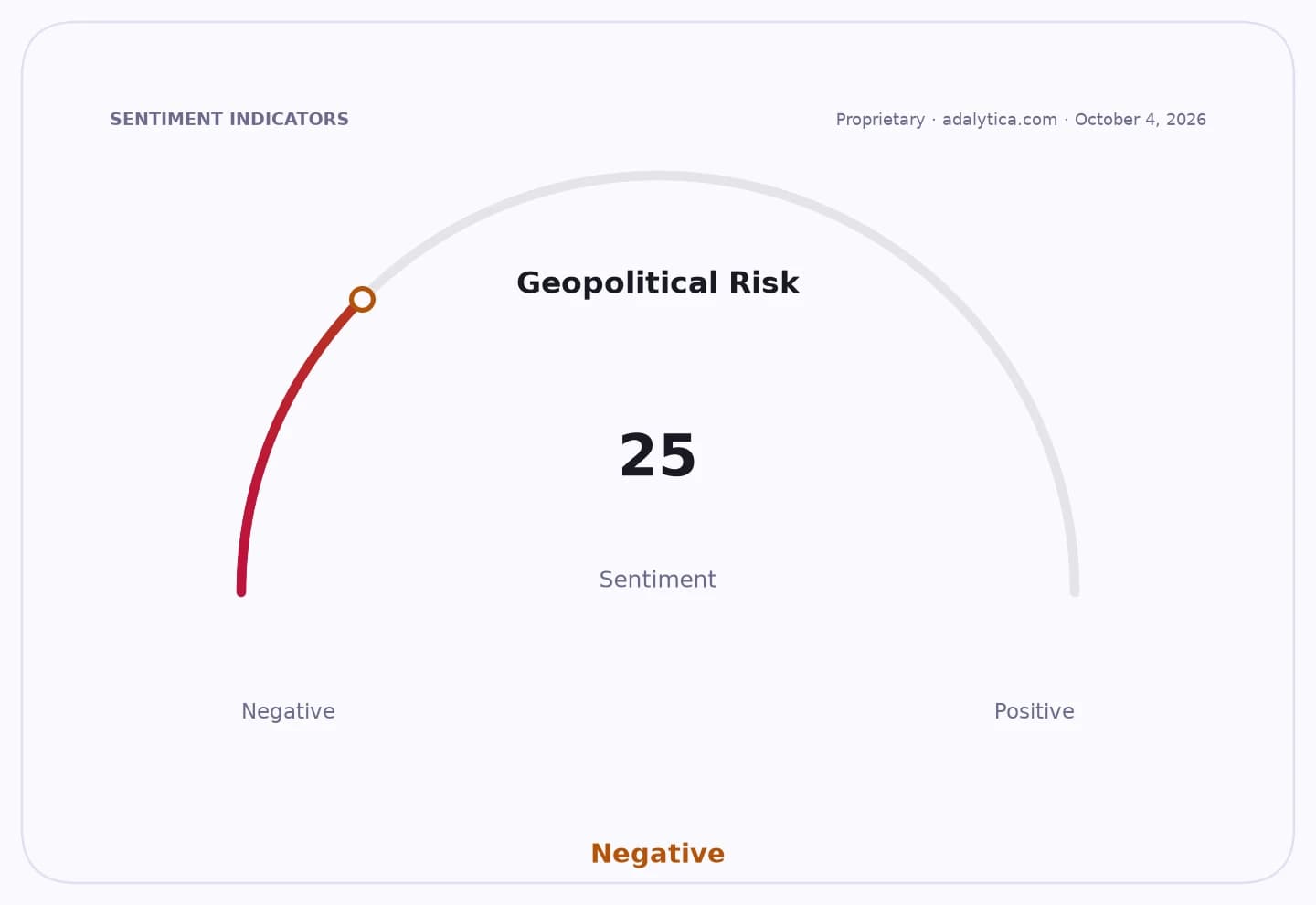
Sentiment IndicatorsⓘProprietary · adalytica.com · October 4, 2026
This is a snapshot — live sentiment, awareness and momentum for 130+ markets update continuously in the dashboard.Open AlphaPulse

The race between Luiz Inácio Lula da Silva and Jair Bolsonaro has become the dominant macro variable for Brazilian assets. Local and offshore investors are watching for clues on whether the next administration can narrow deficits, manage debt and preserve central bank independence while restoring confidence in government decision-making. A tighter contest also raises the odds of a disputed outcome or prolonged political noise, which would keep volatility elevated.
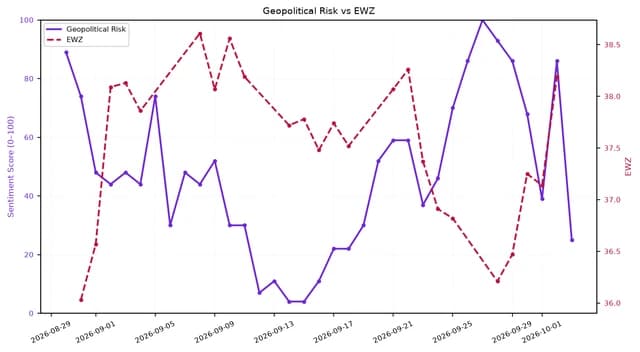
Brazil-focused assets have already reflected that uncertainty. The iShares MSCI Brazil ETF, EWZ, has rebounded to $38.19 after trading as low as $34.73 in March, but the move has been marked by sharp swings. On the latest session, EWZ rose 2.8% on volume of 59.9 million shares, with the fund trading above its 50-day and 200-day moving averages. The relative strength index at 54 suggests momentum has cooled from earlier overheated levels, even as the broader trend remains constructive.
Petrobras, the most politically sensitive bellwether in the market, has also recovered alongside the election build-up. U.S.-listed shares of Petrobras, PBR, closed at $21.65, above both its 50-day average of $19.33 and 200-day average of $17.33. That leaves the stock higher on the year, but still exposed to any shift in fuel pricing policy, dividend expectations or state-directed investment under the next government.
For investors, the central question is not just who wins, but how broad that victory is and how much room the winner has to govern. A clearer mandate could speed policy decisions and reduce the risk premium in Brazilian assets. A razor-thin result would likely preserve that premium, especially if it is accompanied by street protests, legal challenges or friction with Congress.
The geopolitical backdrop adds another layer. Tensions around possible foreign interference and the suspension of U.S. embassy services underline how politically charged the vote has become, even if those issues are secondary to the immediate market focus. Brazil’s role in regional diplomacy and trade means the election outcome will also be read in Washington and across Latin America for signs of how assertive the next government may be.
Adalytica’s Global Stability Sentiment snapshot has fallen to 25, labeled fear, with awareness at extreme fear, suggesting a broad deterioration in risk appetite around the election period. That aligns with the more cautious tone in the currency and broader risk markets, where traders are likely to demand a higher premium until the result is known and the policy direction becomes clearer.
The next catalyst is straightforward: the vote itself, followed by any sign of whether the winner can assemble governing support quickly enough to tackle fiscal pressures and institutional repair. For now, Brazil’s market story is less about the ballot than about the price investors will pay for certainty.
| Entity | Gains | Losses |
|---|---|---|
| Lula / Bolsonaro winner | ▲Mandate and policy leverage | ▼Political uncertainty if margin is narrow |
| Brazilian equities | ▲Relief if result is clear | ▼Volatility if contest is disputed |
| Petrobras (PBR) | ▲Stability on fuel and dividend policy | ▼State intervention risk |
| EWZ holders | ▲Upside from reform credibility | ▼Risk premium if gridlock deepens |