Brazil’s 2022 election is being recast in the U.S. midterm campaign as a model for progressive turnout, with Democrats and allied influencers using Lula’s win to push voters to organize offline and on social media.
Brazil Election Tactics Used in U.S. Midterm Campaign
What began as a joke online — “Run like Flavio Bolsonaro” — has turned into a broader transnational message about voter mobilization, showing how foreign election narratives are now being imported into American politics. For Democrats, the appeal is practical: with polls pointing to a favorable House map and a Senate fight still tight, any turnout edge matters in a midterm where cost-of-living anger and backlash to the White House are already shaping the result.
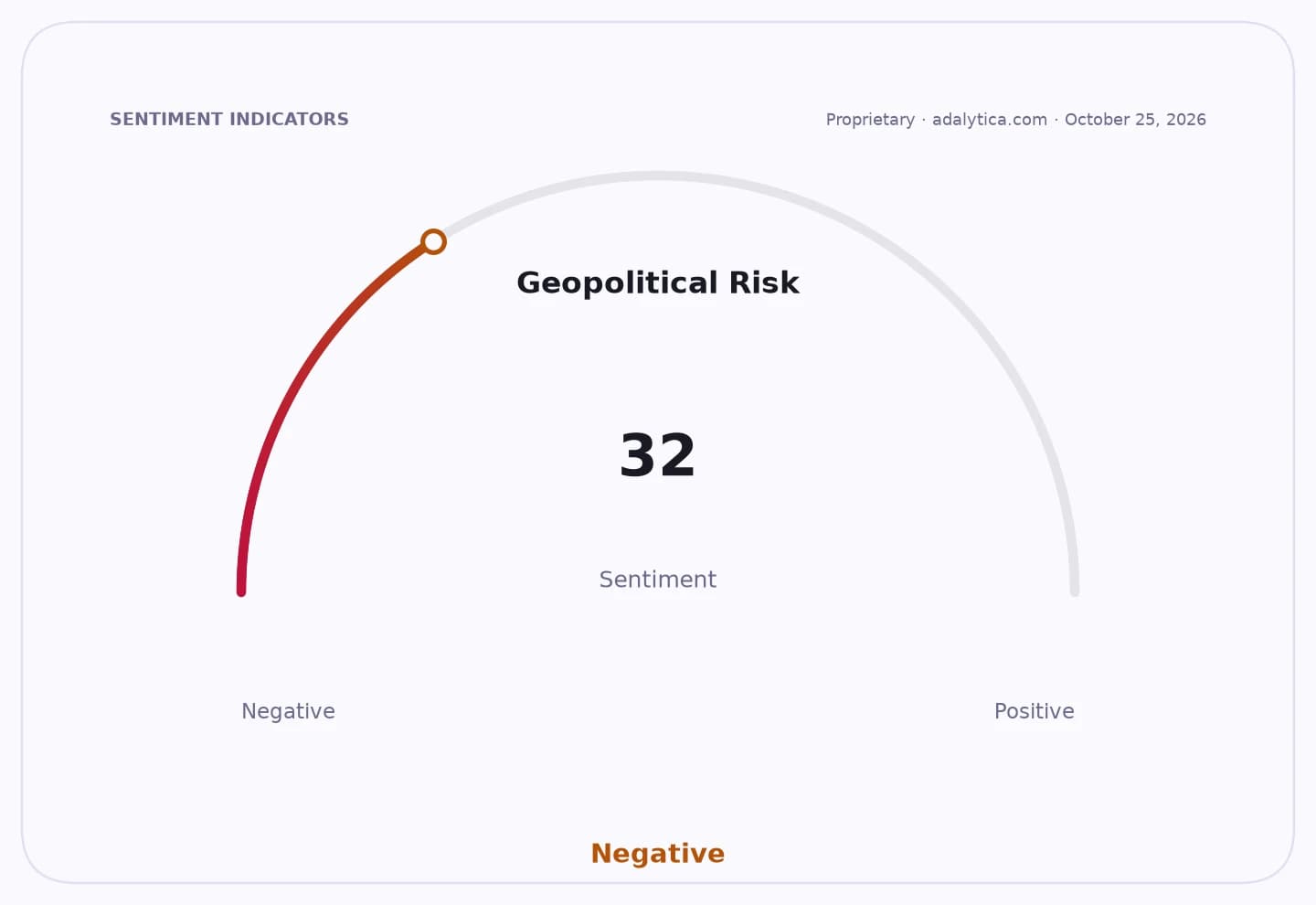
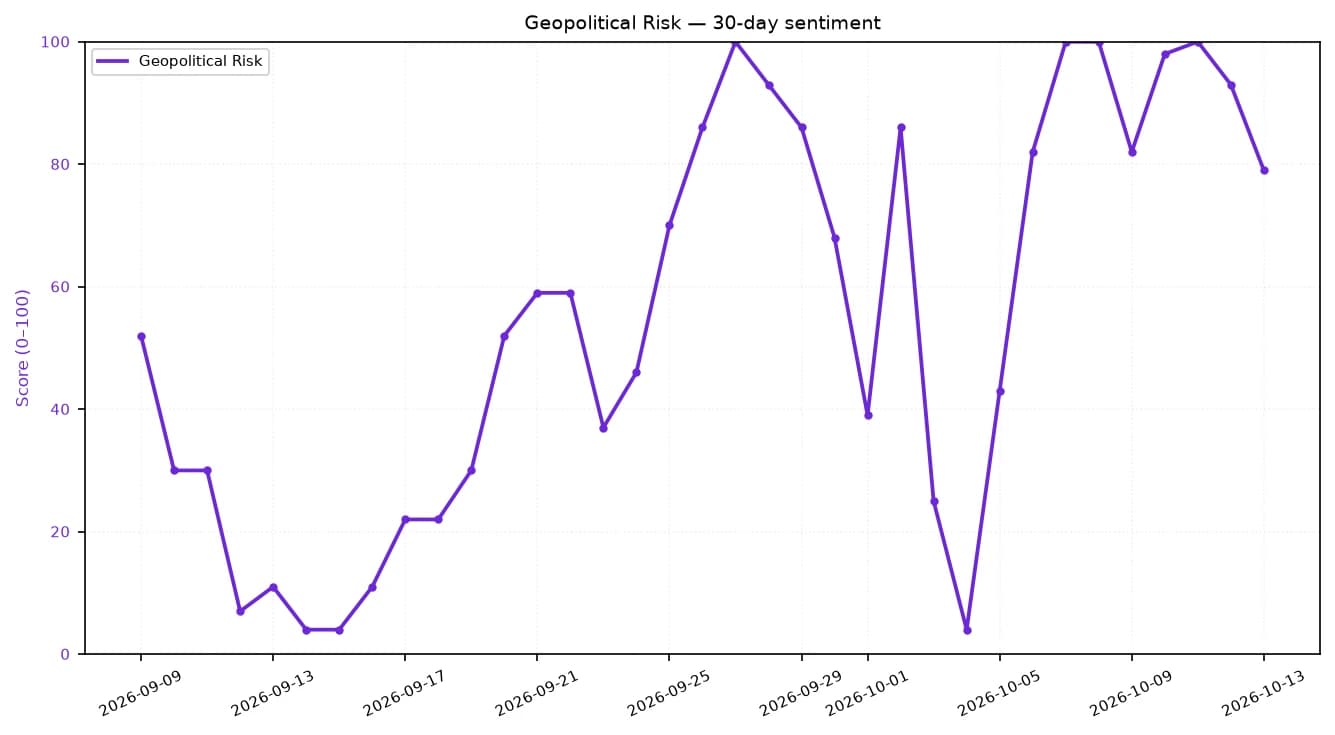
Sentiment Indicators
The Brazil reference has spread through progressive accounts, Instagram creators and activist groups that are highlighting Brazilian tactics such as driving voters to polling places, contacting relatives and neighbors, and amplifying pro-Democrat content online. One organization, Feminist, which says it has more than 6 million Instagram followers, said Brazilian users flooded its comments with advice drawn from the campaign machinery around Lula’s victory, including how to avoid boosting MAGA content and how to move voting from screens into real-world organizing.
The symbolism has been reinforced by the controversy around Flávio Bolsonaro’s U.S. trip, which drew a letter from 25 Democratic lawmakers to Secretary of State Marco Rubio seeking details on how his visa was processed. That gives the Brazil story a sharper political edge in Washington: it is no longer just a viral comparison but part of a wider fight over election integrity, democratic norms and the role of U.S. institutions in foreign political disputes.
For investors, the immediate market significance is limited, but the broader implication is that turnout narratives and partisan mobilization can affect policy expectations, especially if Democrats outperform in Congress. A stronger Democratic result would raise the odds of more aggressive oversight of Trump-era policies, tech platforms and foreign policy, while a weaker showing would bolster Republican leverage on tax, regulation and trade. The market backdrop is already sensitive, with small-cap stocks, consumer staples and utilities reflecting shifting risk appetite and the possibility of a different fiscal and regulatory mix after the vote.
The deeper narrative is that Brazil has become a political reference point for U.S. progressives because its election showed that disciplined organizing can overcome a polarized, populist right. Whether that lesson translates into votes will be clearer once turnout is counted, but the cross-border borrowing of tactics underscores how campaign strategy, digital mobilization and institutional trust are increasingly intertwined.
| Entity | Gains | Losses |
|---|---|---|
| Democrats | ▲Turnout message | ▼Complacency risk |
| Progressive activists | ▲Mobilization playbook | ▼Online backlash |
| Republicans/MAGA | ▲Counter-narrative fuel | ▼Turnout enthusiasm |
| U.S. investors | ▲Policy clarity if result is decisive | ▼Volatility from tighter race |