Donald Trump’s effort to turn the midterms into a referendum on cultural grievance is running into a far more familiar political force: voters still care most about prices, corruption and the state of household finances.
Trump, inflation and voter anger hit Republicans
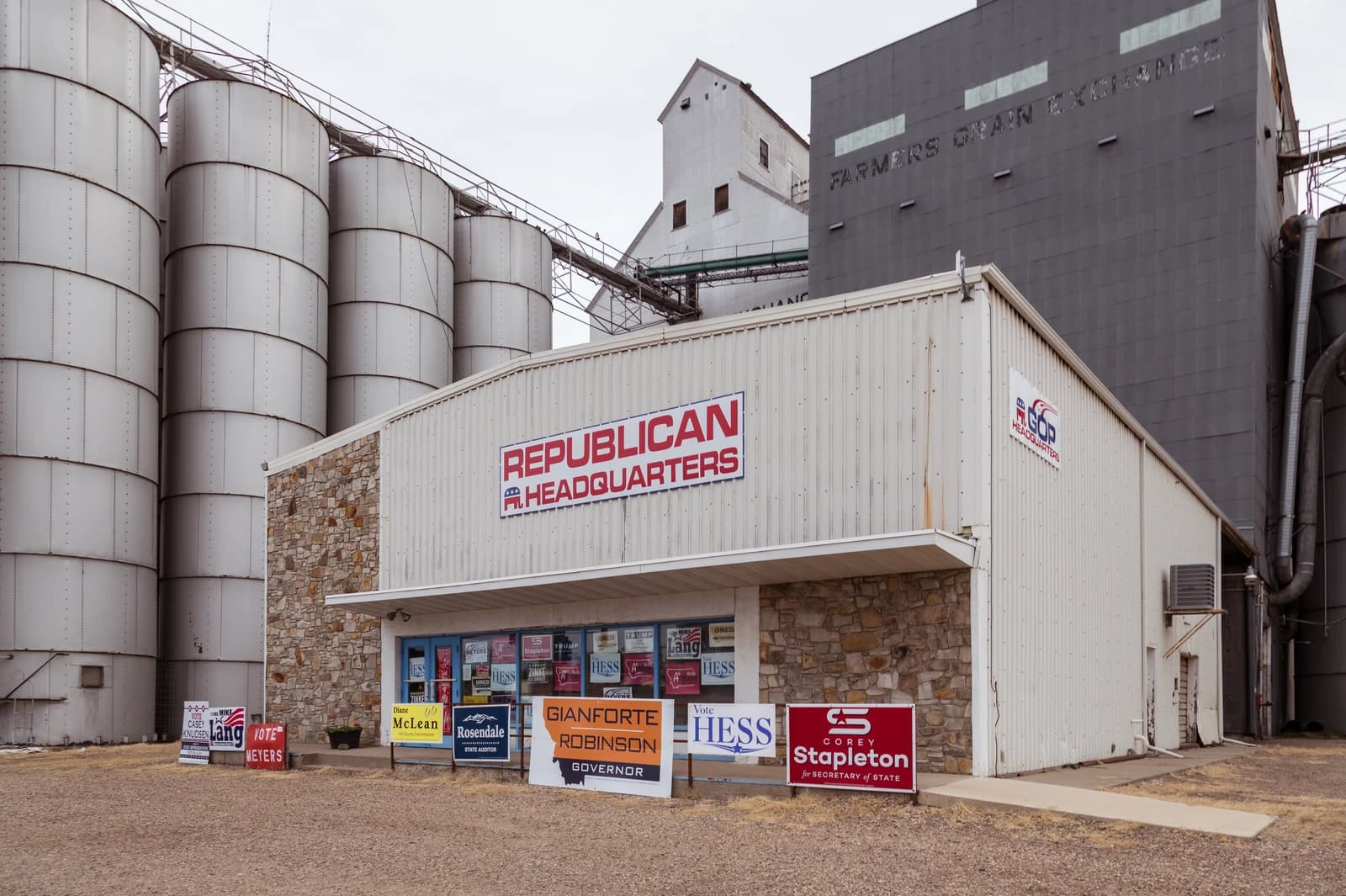
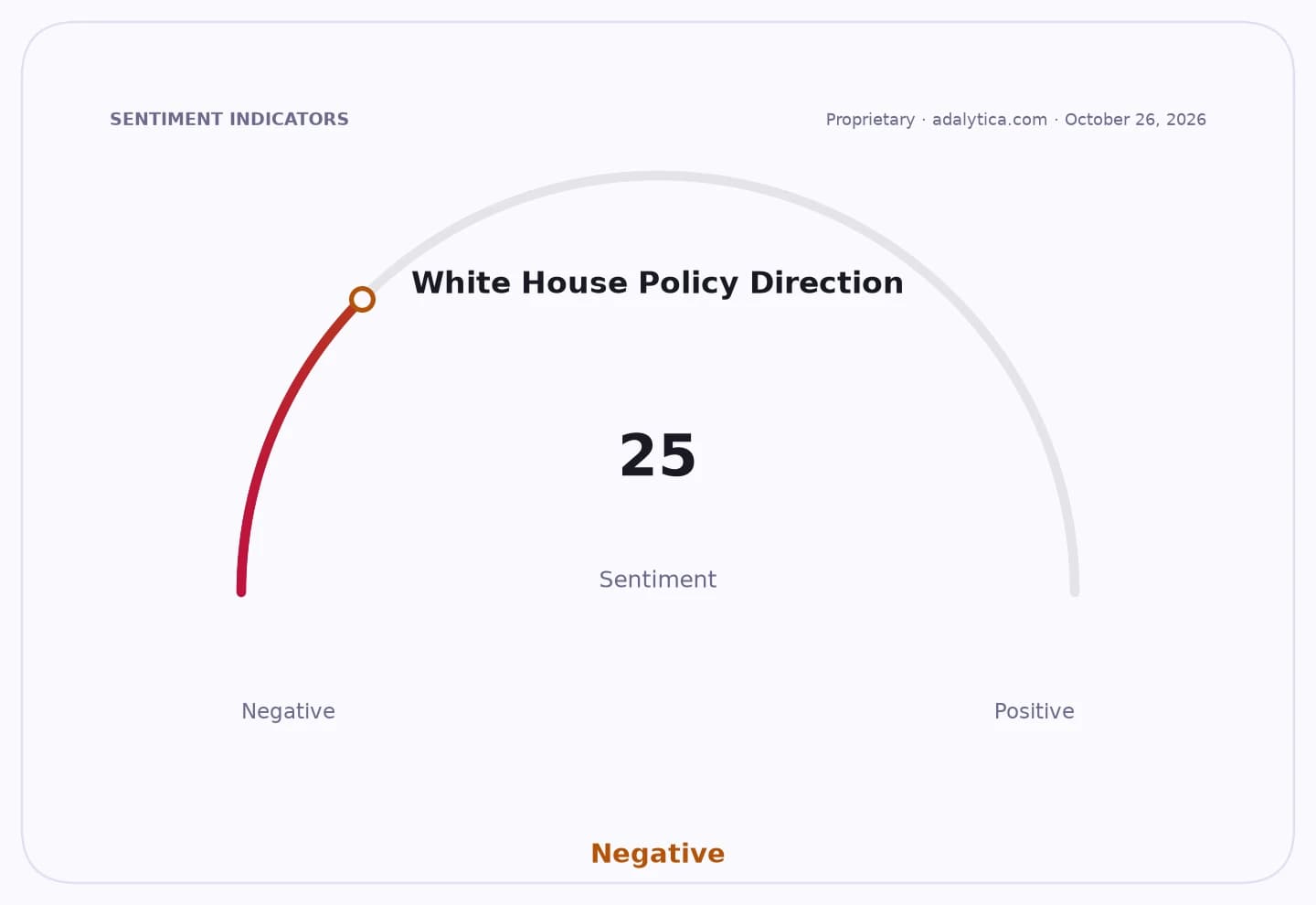
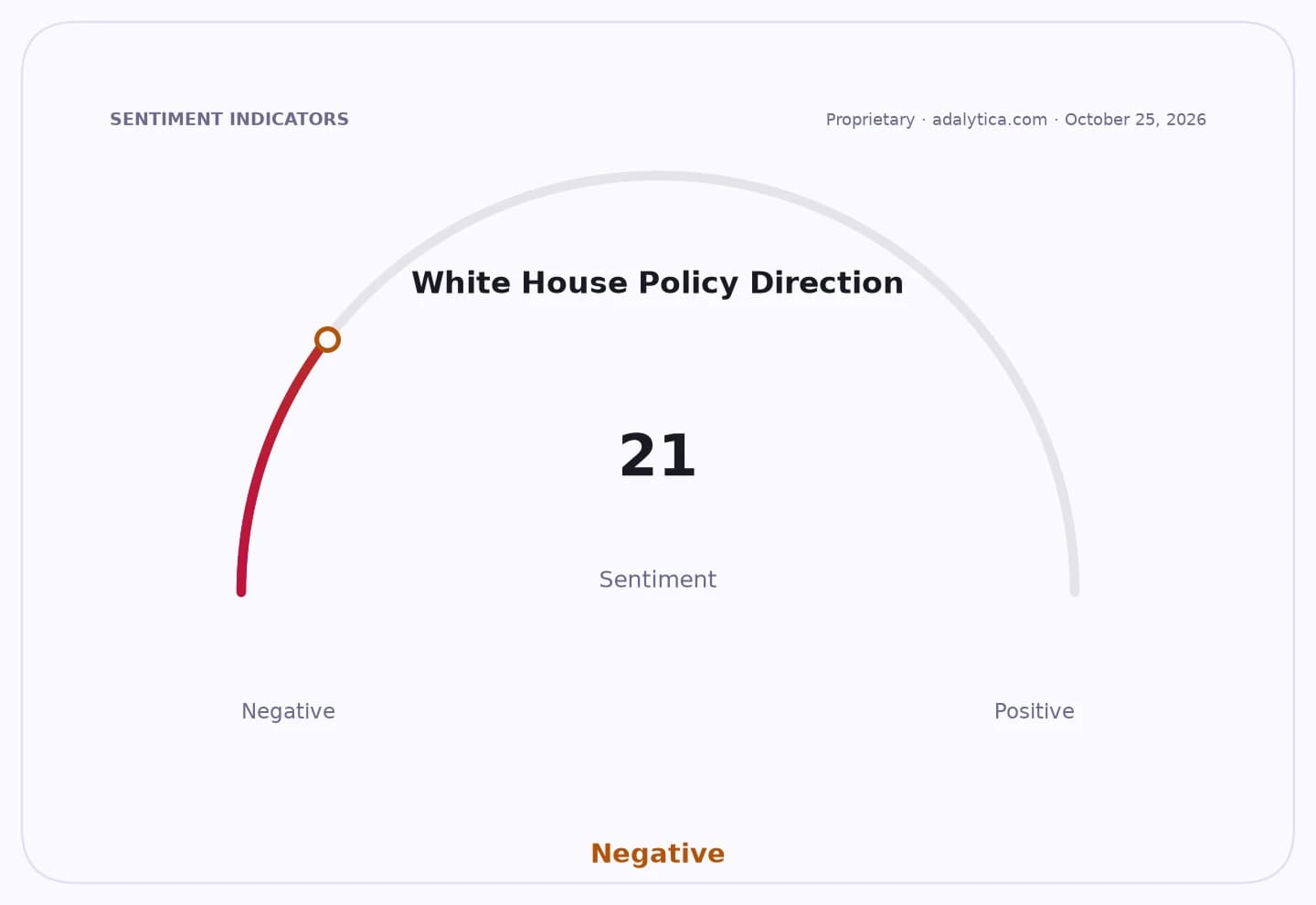
That shift matters because it strikes at the core of the president’s reelection-style argument to Republicans — that the economy would be better off under his rule and that personal loyalty can substitute for material results. Polling in the supplied material shows 66% of all US voters and 34% of Republicans believe Trump is using his office to enrich himself, while a separate Fox News survey put government corruption at the top of voter concerns, ahead of inflation and high prices. For an incumbent party heading into a midterm environment where control of Congress is at stake, that is a damaging hierarchy of priorities.
Sentiment IndicatorsⓘProprietary · adalytica.com · October 27, 2026
This is a snapshot — live sentiment, awareness and momentum for 130+ markets update continuously in the dashboard.Open AlphaPulse
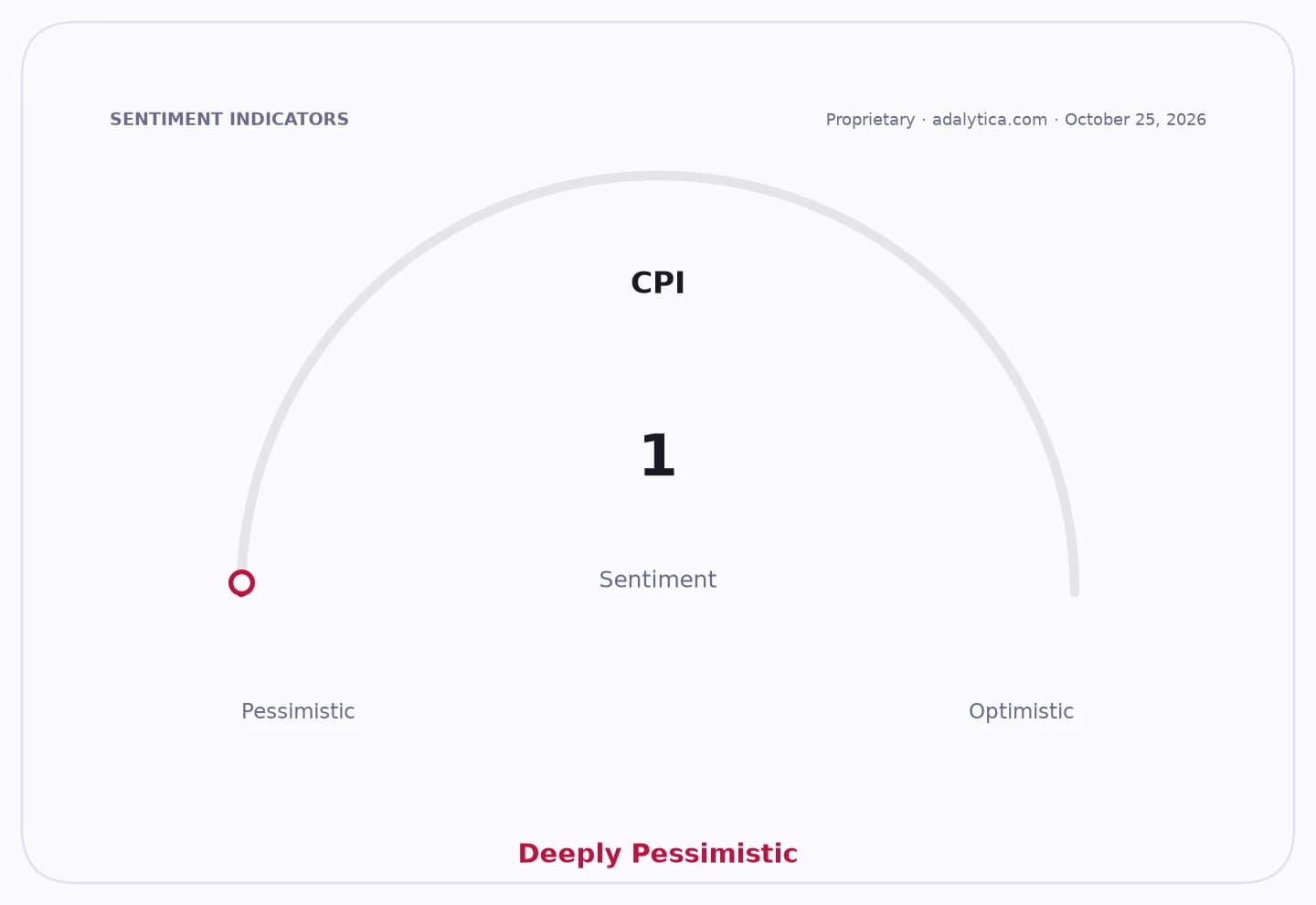
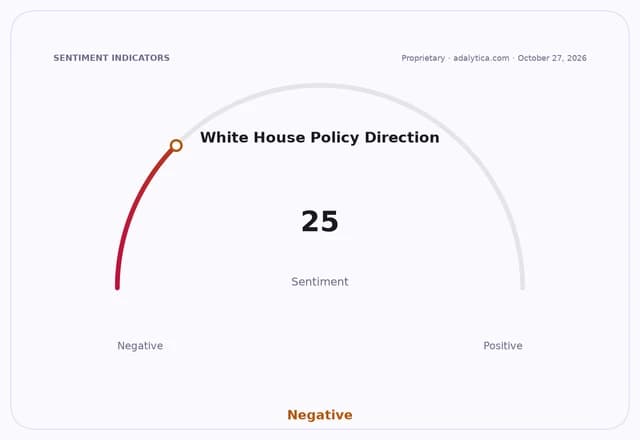
The broader economic backdrop is working against him. Inflation has reaccelerated, with US consumer prices rising 3.7% in September in the accompanying data, while prices for everyday goods remain politically toxic. Trump had promised lower grocery costs and gasoline below $2 a gallon; instead, the data and the article’s framing point to higher living costs, including tariff effects, undermining the promise that voters would be better off under Republican rule. That gap between expectation and lived experience is often decisive in midterms, especially when households feel their purchasing power slipping even if the economy is not in recession.
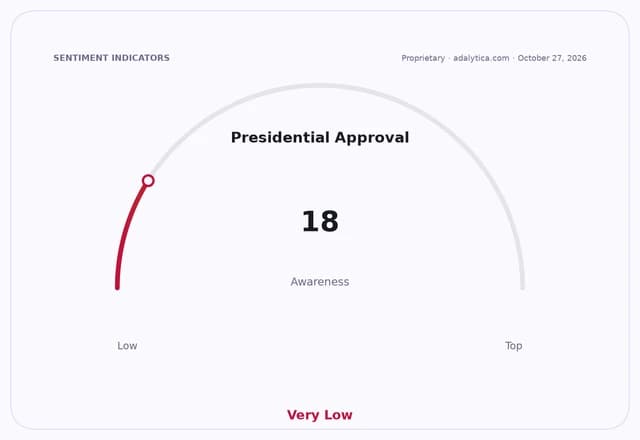
The political consequences are showing up in the numbers. Trump’s approval rating has fallen to a record-low 36% in the supplied polling, and Democrats are now seen as more trusted on economic issues. That is significant because midterms are rarely won on ideology alone: independents tend to punish the party they think is responsible for higher costs, while base voters are less motivated when they feel the incumbent is enriching himself rather than delivering results. The Guardian’s framing — “bread” versus “circuses” — captures the central problem for Republicans. Culture-war attacks may still mobilize some loyalists, but they are weaker when voters think the president is “for himself and his friends,” not for them.
CPIAUCSL vs UNRATE — macro contextadalytica.com
Explore this data interactively — full history, time series and cross-market comparisons.Open AlphaPulse
Markets are not immune to that political shift. Investors tend to price in less policy certainty when an administration’s mandate appears to be fraying, especially if the White House responds with more tariff threats, more confrontation or more ad hoc economic intervention. The supplied market data show the S&P 500 holding near 765, above its 200-day moving average, but with conventional technical indicators such as RSI in the high-30s to mid-40s range and MACD flattening, suggesting a market that is not under acute stress but is lacking conviction. The dollar has also weakened sharply from recent peaks, while the macro backdrop of 10-year Treasury yields around 4.9% and persistent inflation leaves little room for fiscal or political complacency.
For investors, the key issue is not just whether Democrats win more seats, but whether a weakened Republican White House can still credibly sell growth-friendly policy. If voters increasingly see Trump’s agenda as serving insiders while leaving prices elevated, the administration may lean harder on symbolism, legal attacks and confrontation rather than the kind of predictable economic stewardship markets prefer. That would raise the risk of policy volatility around trade, taxes and regulation at the same time that inflation remains sticky.
The near-term watchpoint is whether tightening polls in the final stretch give way to a broader anti-incumbent vote driven by kitchen-table economics rather than partisan identity. If they do, the midterms may become less a test of Trump’s brand than a judgment on whether “bread-and-circuses” politics can survive when voters are still paying too much at the grocery store.
| Entity | Gains | Losses |
|---|---|---|
| Democrats | ▲economic-message traction | ▼risk of overperformance expectations |
| Republicans | ▲loyal base turnout | ▼independents and swing voters |
| Trump | ▲short-term attention | ▼trust on household costs |
| Consumers | ▲potential policy reset | ▼higher prices and uncertainty |