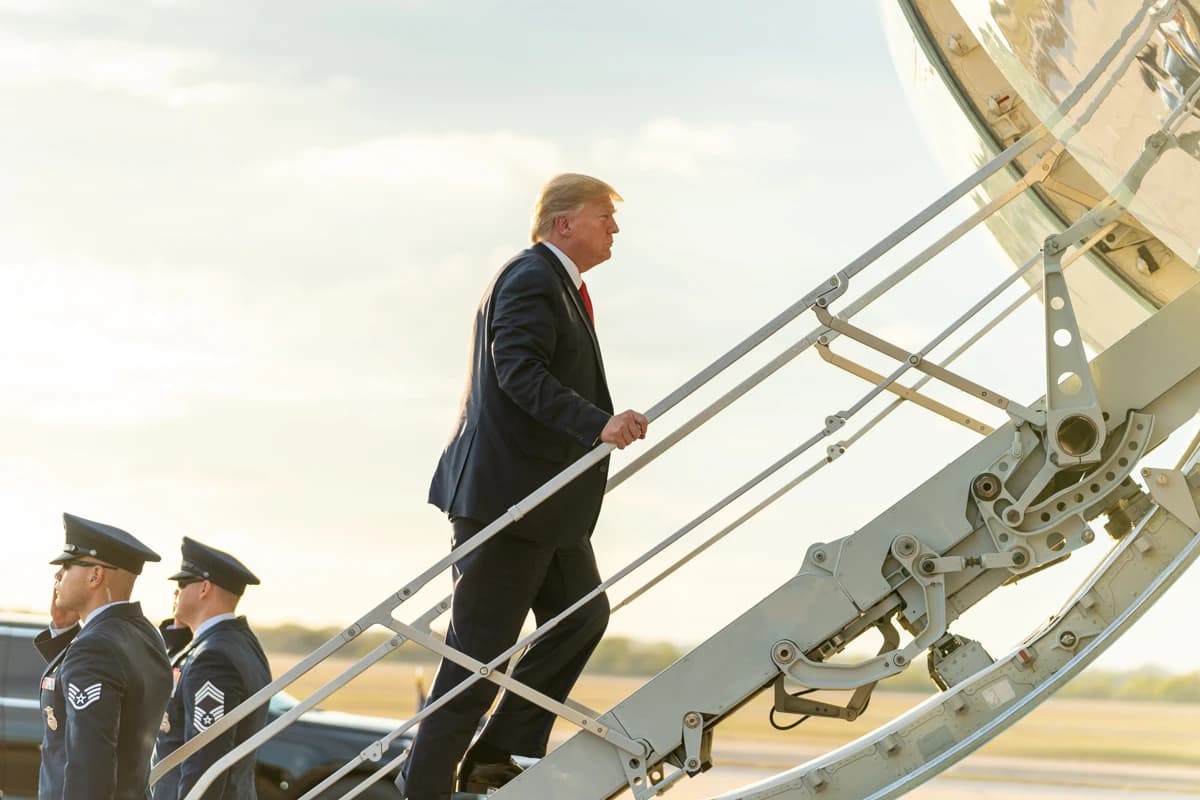
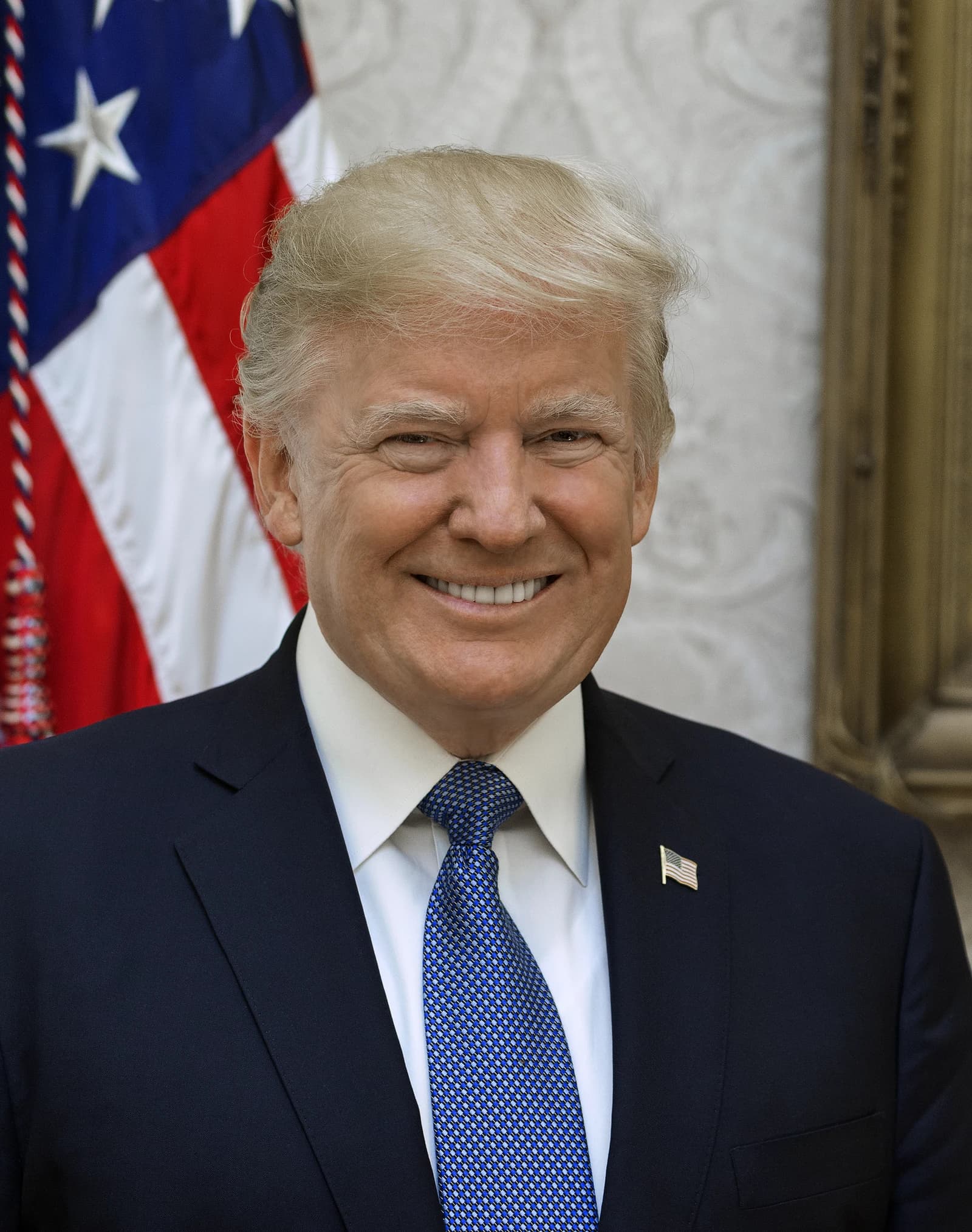
The last face-off between Donald Trump and Joe Biden comes as investors are already bracing for a sharper policy split on tariffs, rates and the dollar, with markets treating the election as a binary macro event rather than a routine political contest.
US Election Debate Impact on Tariffs, Rates, Dollar
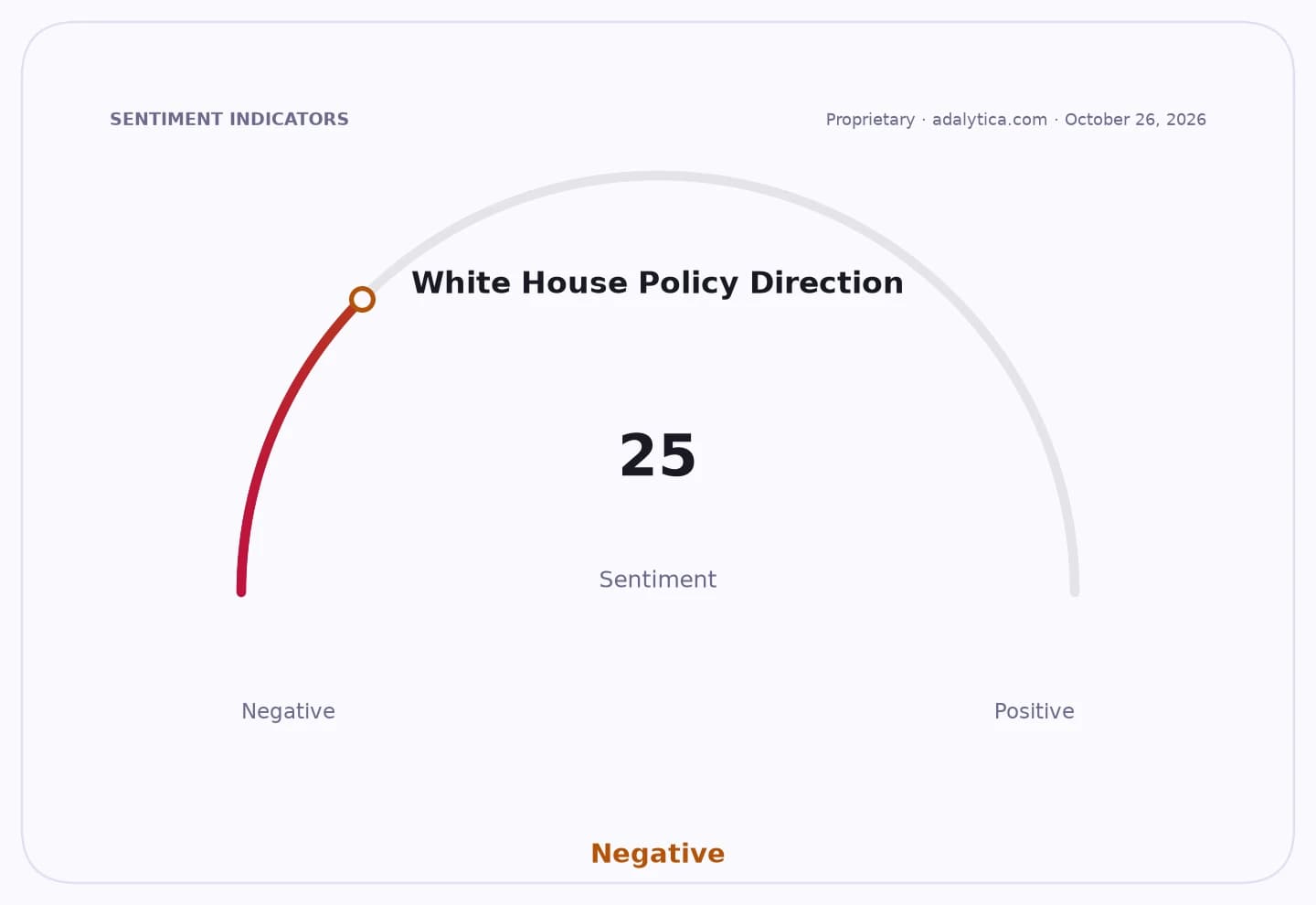
That is why this debate matters far beyond the campaign trail. A Trump victory would likely mean a renewed push for tariffs, tougher trade policy and a more inflationary mix that could keep Treasury yields elevated and strengthen the dollar. A Biden win points to policy continuity, but not necessarily calm: inflation, supply-chain risk and the Federal Reserve’s already-restrictive stance still leave little room for error.
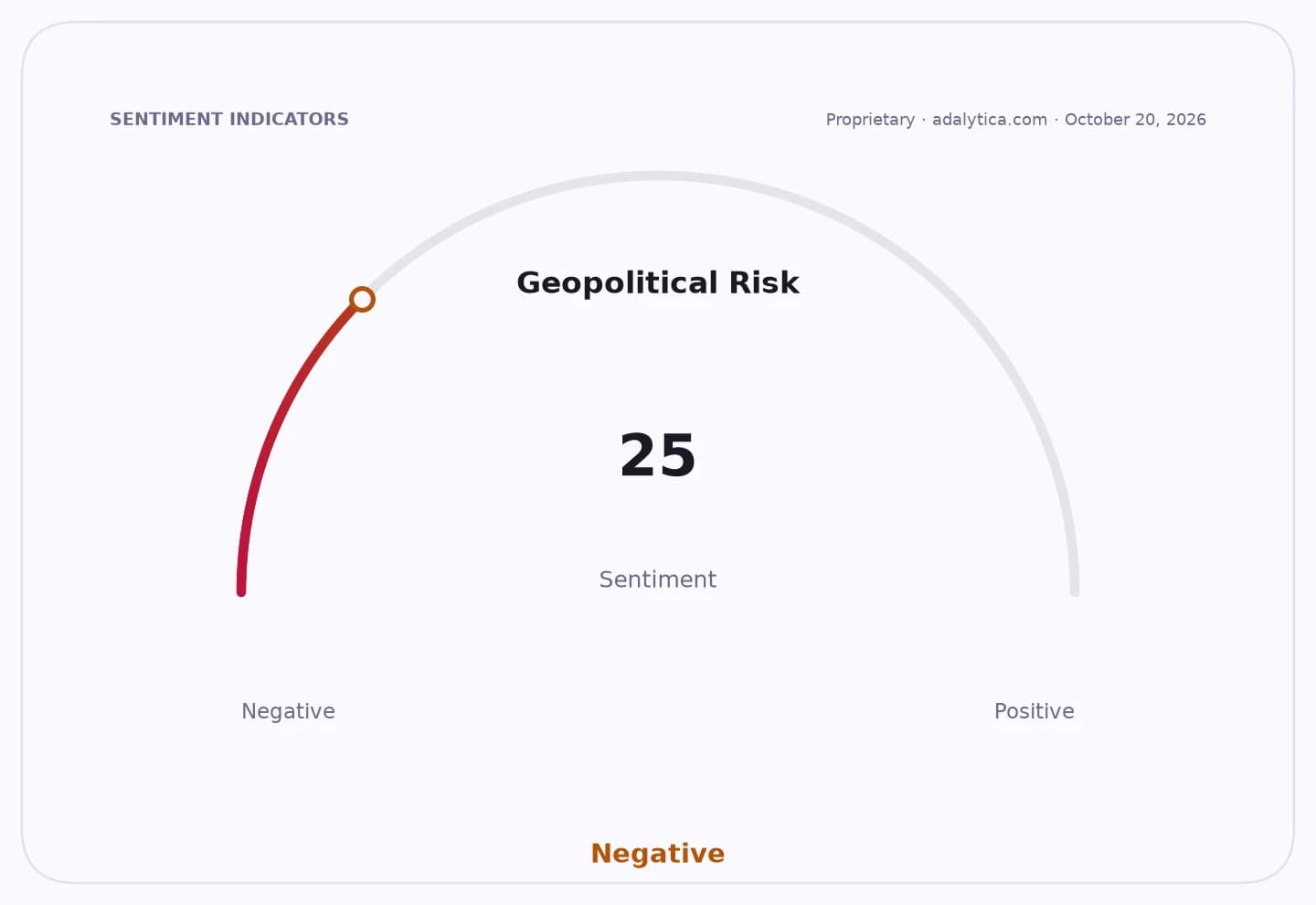
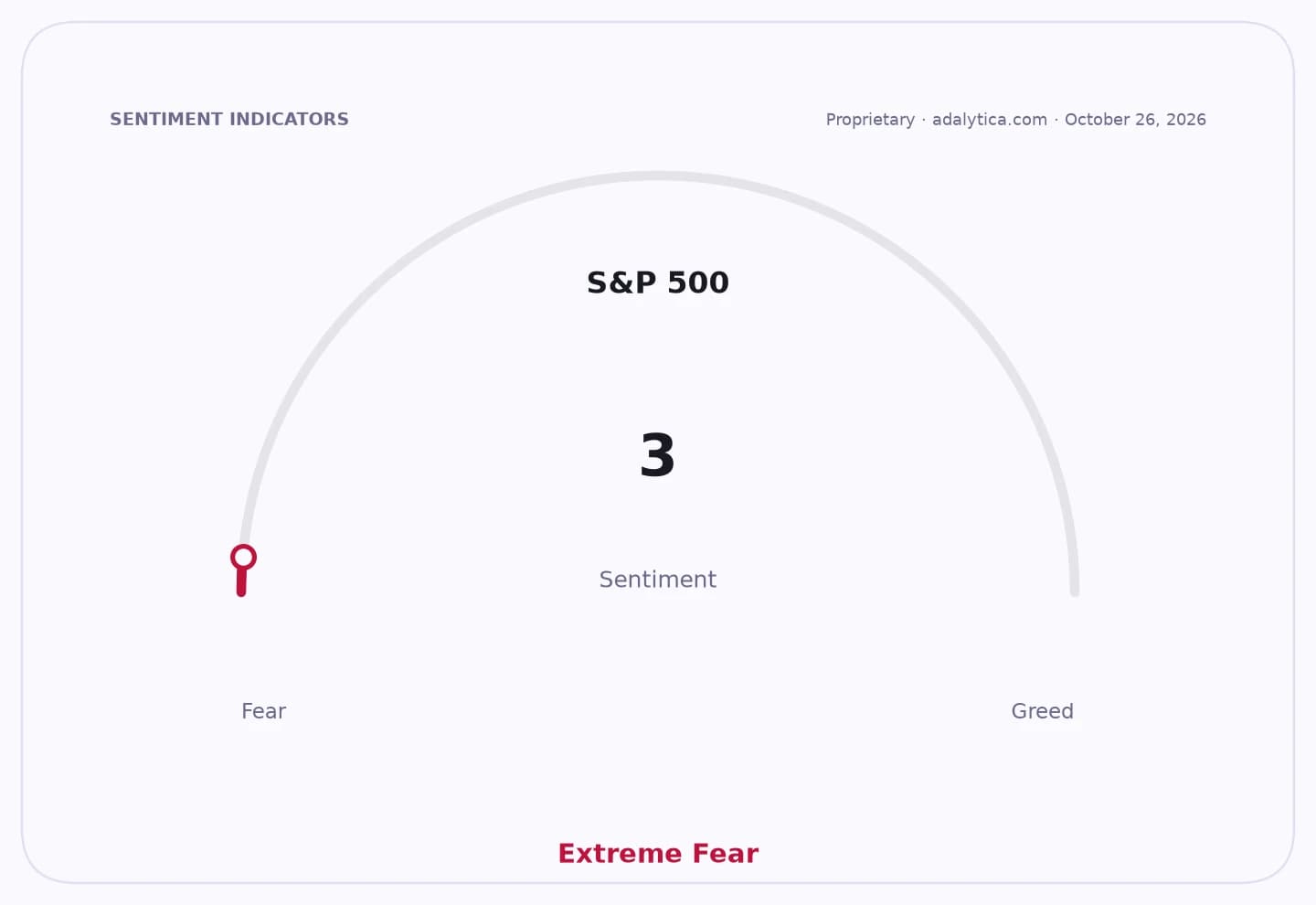
Sentiment IndicatorsⓘProprietary · adalytica.com · October 26, 2026
This is a snapshot — live sentiment, awareness and momentum for 130+ markets update continuously in the dashboard.Open AlphaPulse
The economic backdrop helps explain the stakes. The 10-year Treasury yield has climbed back above 5%, while the Fed funds rate sits near 3.75%, underscoring how much tighter financial conditions are than in the 2020 campaign. Consumer sentiment remains fragile and the US dollar has shown renewed strength, a combination that tends to reward companies with pricing power and punish businesses exposed to import costs and refinancing risk.
That is exactly how investors are positioning. SPY and QQQ technicals show the market has recovered from earlier weakness but remains vulnerable, with both funds trading near their 50-day moving averages and QQQ still below its recent highs. Adalytica’s S&P 500 trade signals also show extreme fear, suggesting the market is not pricing a clean electoral outcome but a higher-volatility regime instead.
The real investment story is not just who wins the debate, but which policy path takes hold after November. Under a tariff-heavy Trump scenario, industrials, defense names and select domestic infrastructure plays could benefit, while import-heavy retailers and consumer brands face margin pressure. A Biden continuation would likely preserve support for clean energy, semiconductors and industrial policy, though a firmer growth-and-inflation mix could still keep bond proxies under pressure.
The bond market is already telling part of that story. TLT has stabilized after a punishing stretch, but the fund remains well below its 200-day moving average, showing long-duration assets are still fighting the regime of higher rates. If the debate tilts expectations toward fiscal expansion, tariffs or renewed deficits, long bonds could struggle again even if equities rally on clarity.
For investors, the setup argues for owning the beneficiaries of policy uncertainty rather than trying to call the election itself. I believe the better trade is to stay overweight sectors with pricing power, domestic demand exposure and structural demand from AI, defense and reindustrialization, while staying cautious on rate-sensitive and import-dependent names. The debate may be political theater, but for markets it is another reminder that the next policy regime could reprice everything from inflation to capital flows.
| Entity | Gains | Losses |
|---|---|---|
| Domestic industrials | ▲Tariff protection | ▼Higher input costs |
| Defense contractors | ▲Fiscal priority | ▼Rate volatility |
| Import-heavy retailers | ▲Stable policy | ▼Margin compression |
| Long-duration bonds | ▲Policy clarity | ▼Inflation fears |