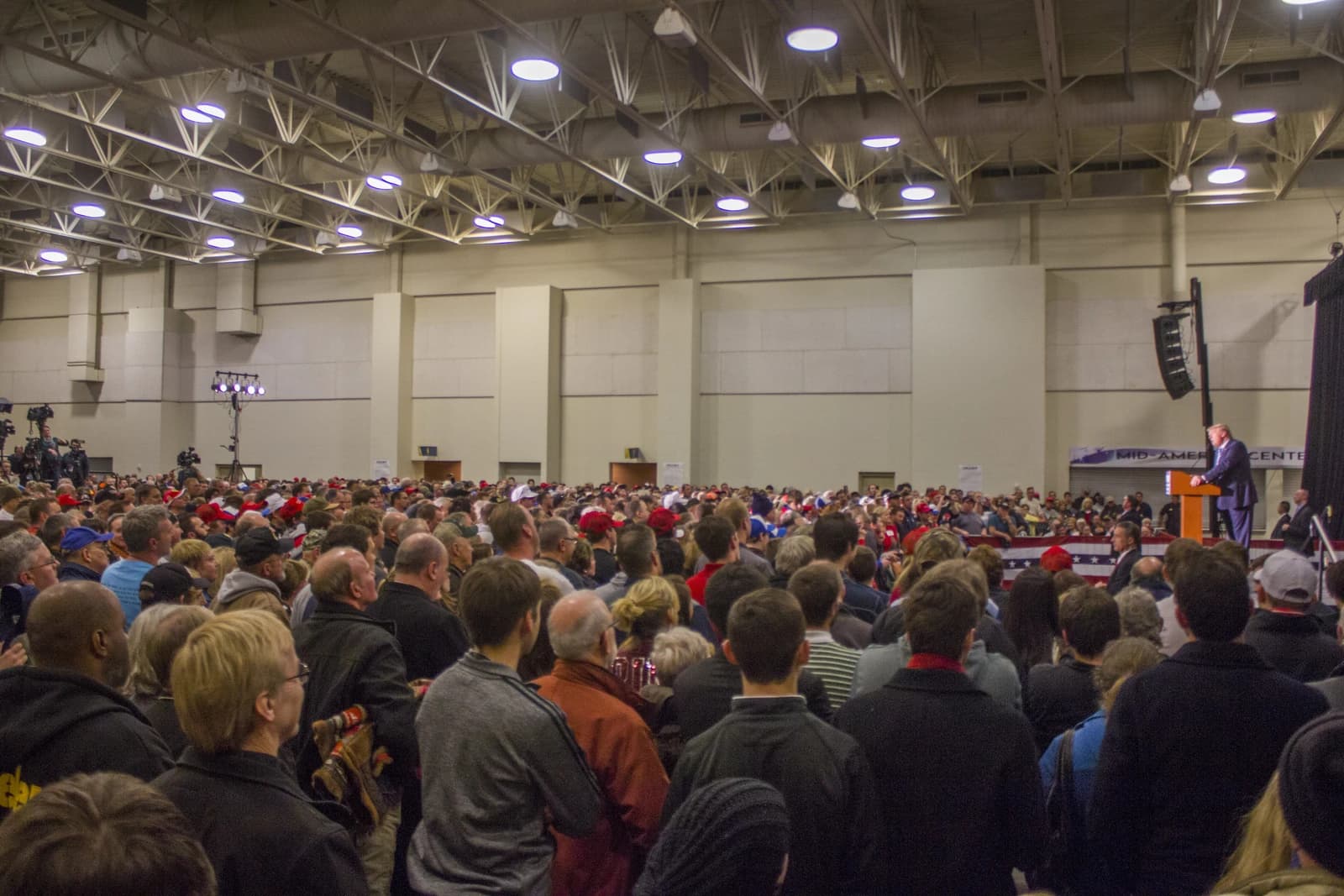
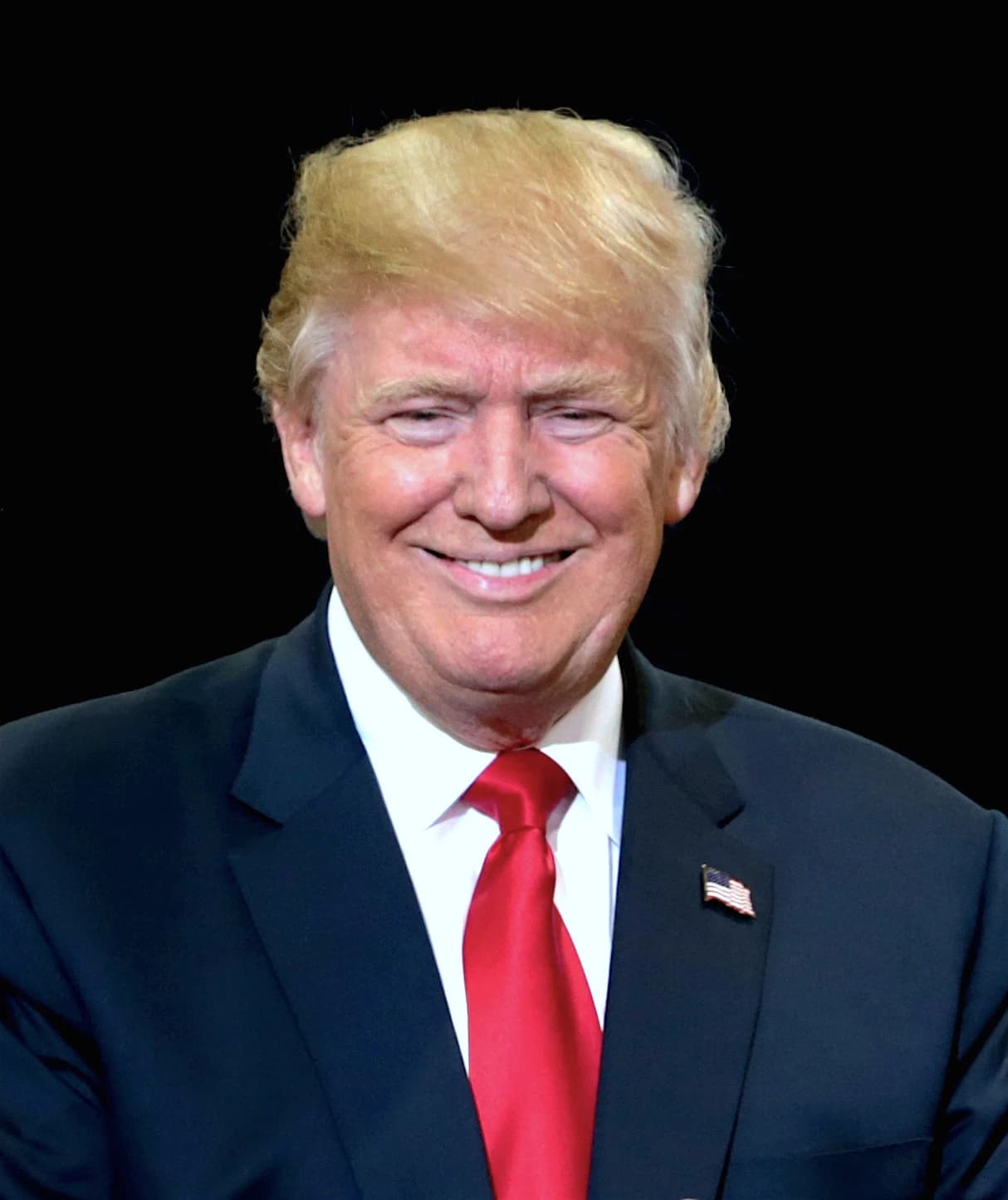
Donald Trump’s campaign rally in San Antonio matters less as a campaign stop than as a real-time read on how markets are pricing the next phase of U.S. policy risk, with investors watching whether the former president’s message reinforces expectations for tighter trade policy, bigger fiscal deficits and a more volatile dollar.
Trump San Antonio Rally and Market Policy Risk
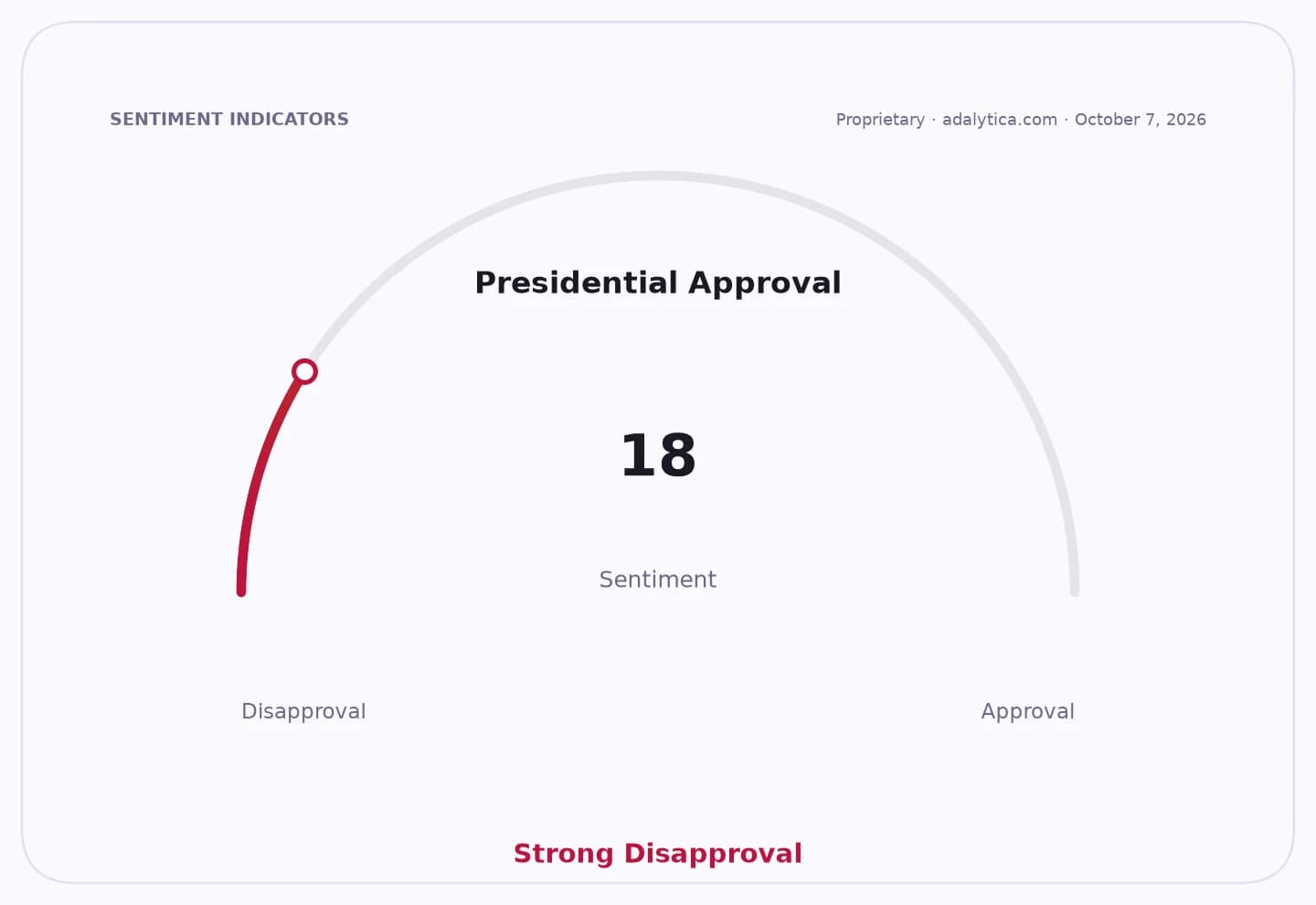
That matters economically because the rally comes against a backdrop of elevated market optimism and fragile policy sentiment. Adalytica’s S&P 500 trade-signal gauge is flashing extreme greed, while its U.S. presidential approval sentiment is in fear territory and its White House policy-direction measure has slipped sharply over the past month. In other words, investors are leaning hard into risk assets even as the political backdrop looks less stable, a mix that can support equities in the short term but leaves them exposed if rhetoric turns into actionable policy.
Sentiment IndicatorsⓘProprietary · adalytica.com · October 9, 2026
This is a snapshot — live sentiment, awareness and momentum for 130+ markets update continuously in the dashboard.Open AlphaPulse
The immediate market question is whether Trump’s messaging in Texas leans toward tariffs, immigration restrictions, tax cuts or a more confrontational stance toward trading partners. Each has different implications. Tariffs and tighter border policy could feed inflation and complicate the Federal Reserve’s path, while tax cuts and deregulation could lift growth expectations and corporate earnings — at least for cyclical sectors and domestically oriented businesses. For investors, that means the rally is not just a political event but a potential preview of sector rotation across industrials, energy, banks, small caps and multinational exporters.
The dollar is also in focus. Adalytica’s U.S. dollar trade signals show a rebound in awareness and a neutral sentiment reading, suggesting traders are re-engaging with policy risk after a weaker month. A more aggressive Trump message could bolster the currency if it boosts U.S. growth expectations or safe-haven demand, but it could also weigh on it if markets begin to price bigger deficits and higher inflation. That tension is central for asset allocators because the dollar’s direction ripples through commodities, emerging markets and the earnings translation of large-cap multinationals.
For equities, the bullish case is straightforward: Trump’s campaign can be read as pro-growth, pro-business and deregulatory, a mix that historically supports risk appetite. The bear case is that a sharper trade and fiscal agenda would force markets to reprice inflation, rates and margins at a time when the S&P 500 is already priced for strong execution. With sentiment stretched, any policy surprise could hit high-duration growth stocks and rate-sensitive sectors first.
The San Antonio rally therefore matters not because of the crowd size or stagecraft, but because it sits at the intersection of politics and pricing. Investors will be watching whether Trump sharpens a market-friendly message on taxes and regulation or leans into policies that raise inflation and volatility, with the dollar and equity leadership likely to respond quickly if the rhetoric hardens into a clearer governing agenda.
| Entity | Gains | Losses |
|---|---|---|
| Pro-growth stocks | ▲Deregulation hopes | ▼Policy uncertainty |
| Dollar bulls | ▲Safe-haven demand | ▼Fiscal deficit fears |
| Exporters | ▲Weaker trade barriers eased | ▼Tariff escalation |
| Importers | ▲Stable supply chains | ▼Higher input costs |