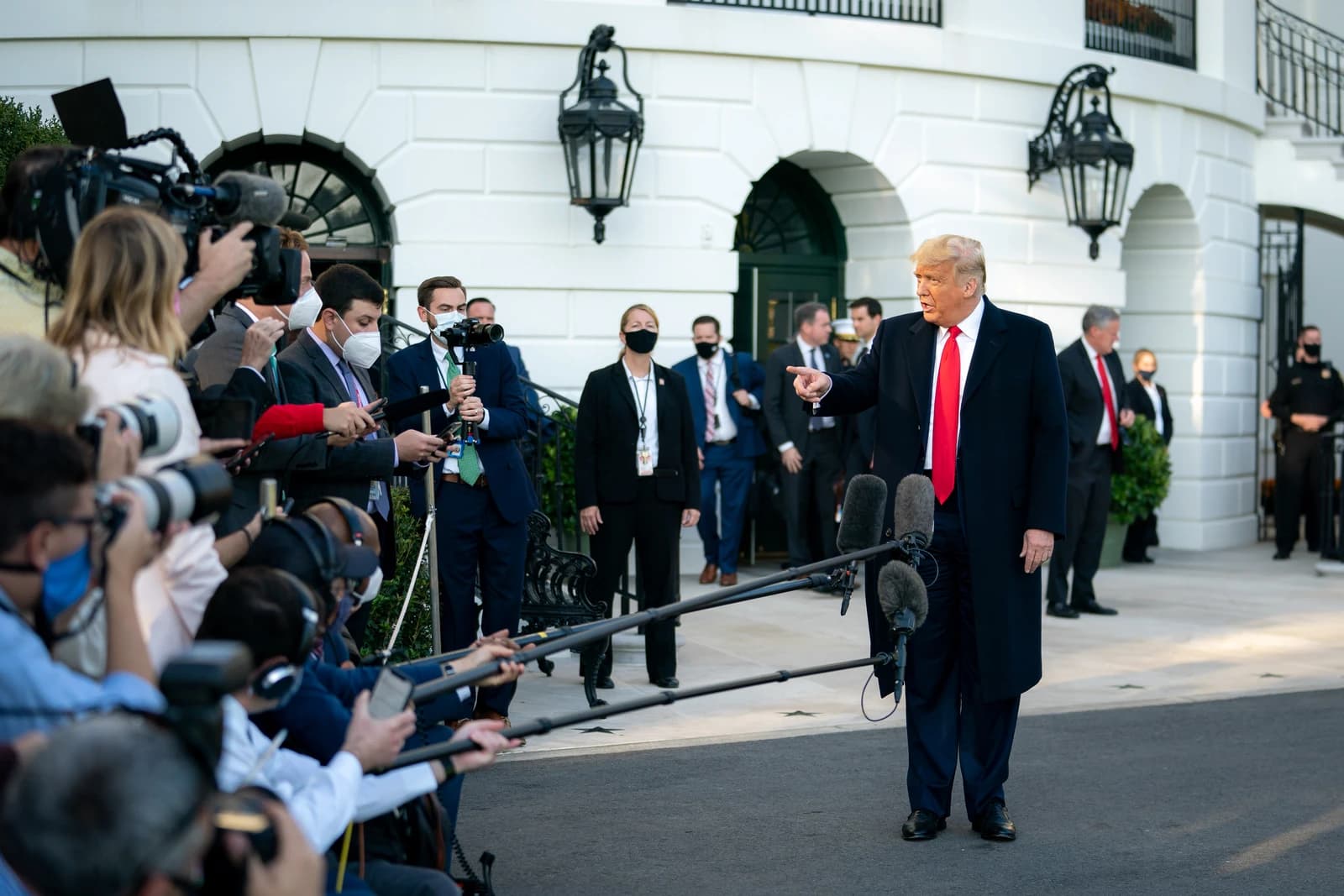
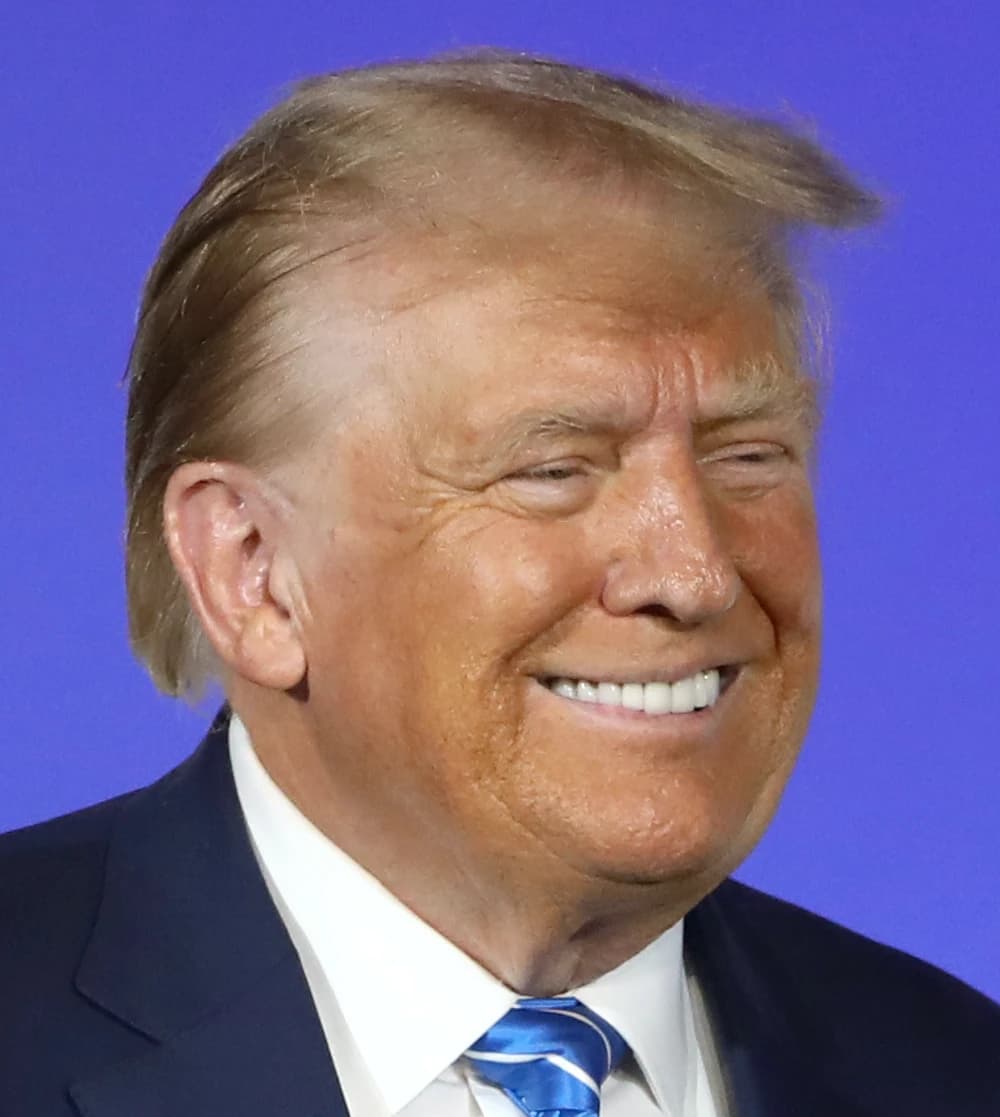
Donald Trump’s approval rating has fallen to a record low, sharpening concerns that a weakening White House could drag on Republican prospects in next year’s midterm elections and complicate the administration’s policy agenda.
Trump approval falls to record low
Recent polling put Trump’s approval as low as 33%, according to the supplied news context, the weakest reading of his presidency. That matters economically because presidential approval often shapes how much political capital a government has to push taxes, spending, regulation and trade policy through Congress. A president with deteriorating public support typically faces a narrower path for ambitious legislation and a greater risk of policy drift, especially if lawmakers begin to distance themselves ahead of elections.
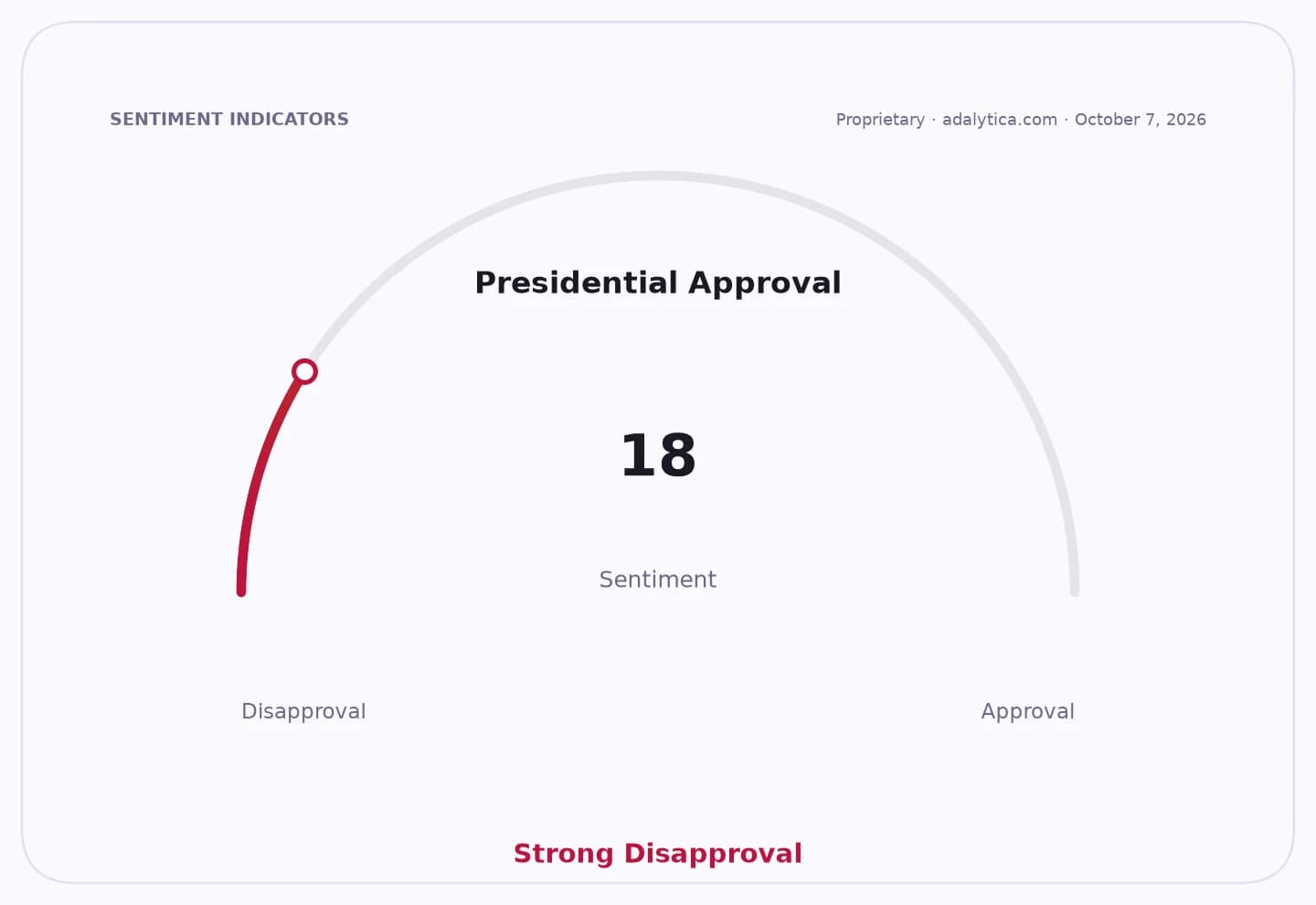
Sentiment IndicatorsⓘProprietary · adalytica.com · October 7, 2026
This is a snapshot — live sentiment, awareness and momentum for 130+ markets update continuously in the dashboard.Open AlphaPulse

For investors, the issue is not just the number itself but the policy volatility that can come with it. Trump’s political standing feeds directly into expectations for fiscal policy, tariffs, deregulation and agency appointments — all of which influence earnings, inflation, Treasury yields and sector rotation. A president under pressure can either moderate to win back swing voters or harden his stance to energize his base, and either path can create winners and losers across industries.
The latest readings also arrive as Republicans are watching internal polling more closely heading into the midterms. That raises the odds that lawmakers will prioritise politically safe measures over more contentious reforms, making it harder to forecast the medium-term policy mix. For markets, that uncertainty matters at the margin: less confidence in the durability of policy can compress multiples in rate-sensitive and trade-exposed sectors, while boosting demand for defensive positioning.
Adalytica’s US Presidential Approval Sentiment gauge underscores the deterioration, with the sentiment reading at 18, in “Fear” territory, while awareness remains elevated at 93. In practical terms, that combination suggests investors and policymakers are highly focused on the approval slump, even if conviction about the eventual policy implications remains limited. Adalytica’s US White House Policy Direction Sentiment also fell sharply to 43, a neutral reading, after much stronger levels earlier in the year, pointing to fading confidence in the administration’s ability to maintain a clear governing direction.
The market backdrop is not yet showing outright stress. The SPDR S&P 500 ETF remains above both its 50-day and 200-day moving averages, but the relative strength index has moved into overbought territory, implying stretched positioning after a strong run. Treasury proxies have been weak, with the iShares 20+ Year Treasury Bond ETF trading well below its 50-day average and momentum still negative, a sign that investors are not rushing into duration protection on the political noise alone. The dollar proxy has also surged, reflecting broader macro forces that may be overpowering the approval story for now.
Still, Trump’s record-low approval rating is economically relevant because it raises the probability of a more defensive policy environment in Washington. That would matter for government spending, regulatory enforcement and sector-specific risk appetite into the election cycle. The key for investors is whether the slump proves temporary or becomes a sustained constraint on the administration’s ability to shape markets.
| Entity | Gains | Losses |
|---|---|---|
| Democrats | ▲Midterm attack line | ▼Republican incumbents |
| Republican lawmakers | ▲Little immediate benefit | ▼Political cover |
| Bond bulls | ▲Policy uncertainty premium | ▼Risk of fiscal drift |
| Defensives | ▲Relative appeal | ▼Cyclical sectors |