President Donald Trump’s October barnstorming through deep-red states is a sign Republicans are defending, not dictating, the midterm map — and that matters because the party’s political weakness is colliding with a still-sticky inflation backdrop that is squeezing households and threatening the GOP’s hold on Congress.
Trump red-state rallies and inflation pressure
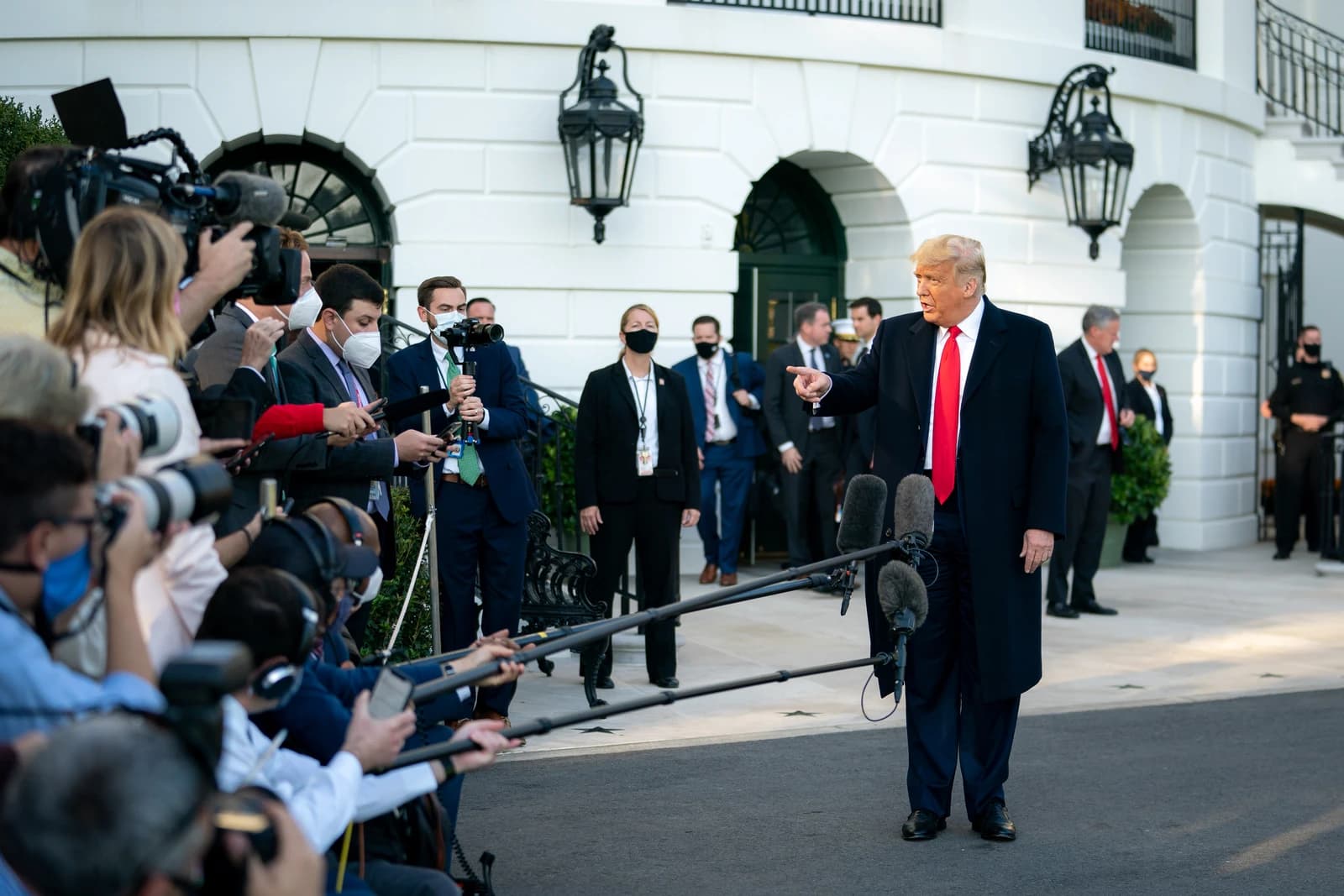
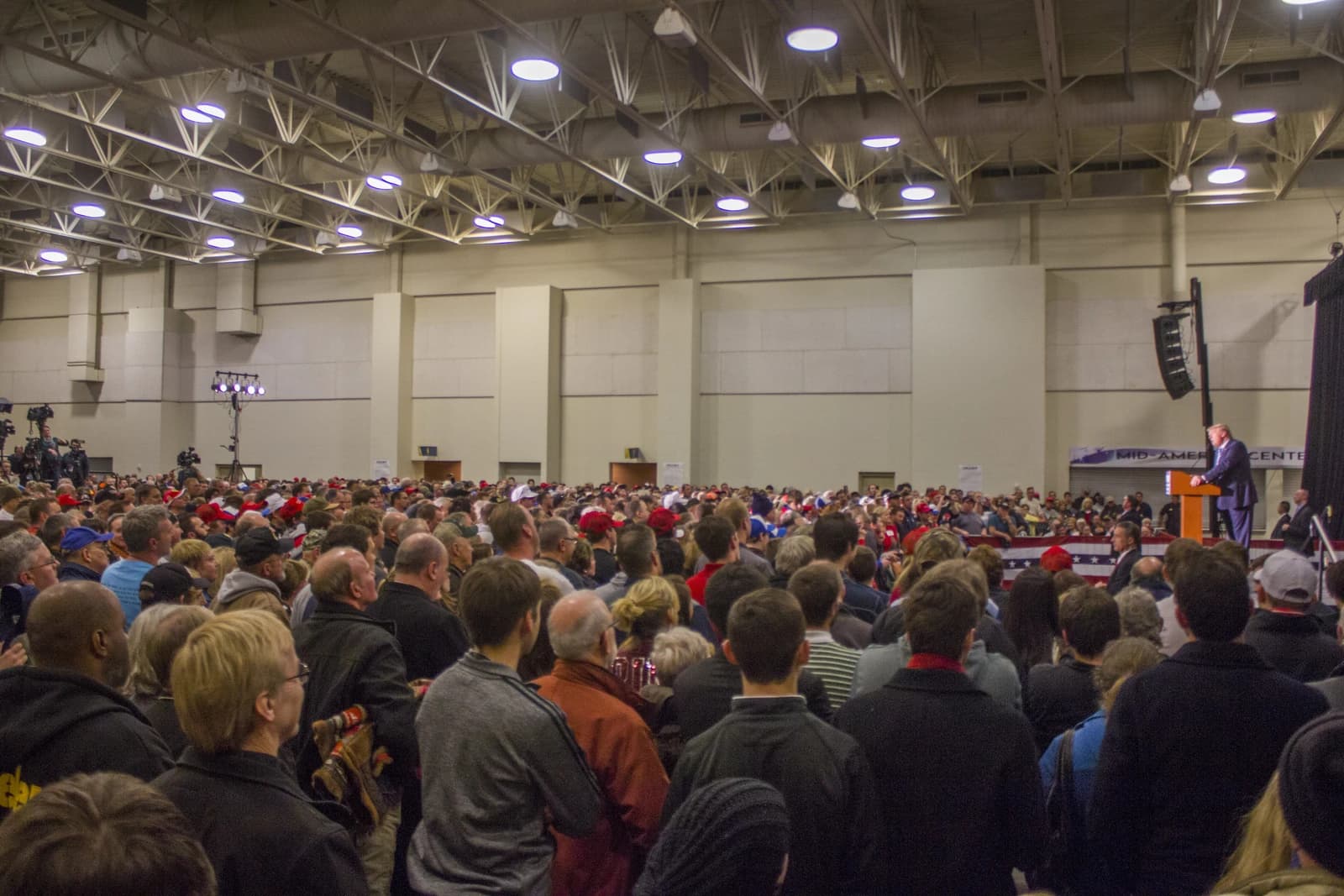
The most important development is not the rallies themselves, but where Trump is choosing to spend his time: Texas, Oklahoma, Alabama, Ohio and Nebraska, all states he carried by wide margins. That is a classic presidential defensive maneuver, designed to shore up turnout in places that should be safe, rather than expand the battlefield. In investor terms, this is what a party looks like when it is trying to contain damage from economic dissatisfaction rather than ride a wave of enthusiasm.
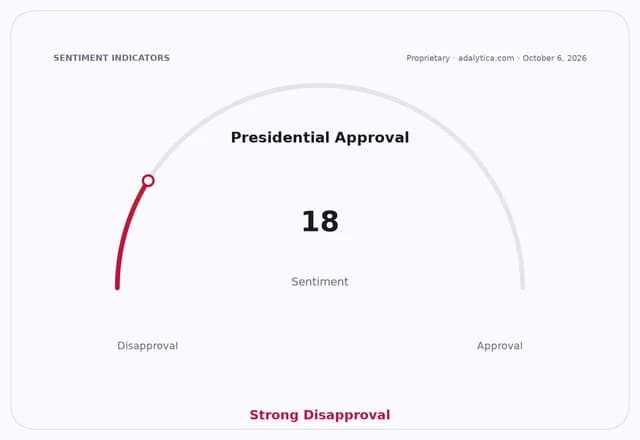
Sentiment IndicatorsⓘProprietary · adalytica.com · October 6, 2026
This is a snapshot — live sentiment, awareness and momentum for 130+ markets update continuously in the dashboard.Open AlphaPulse
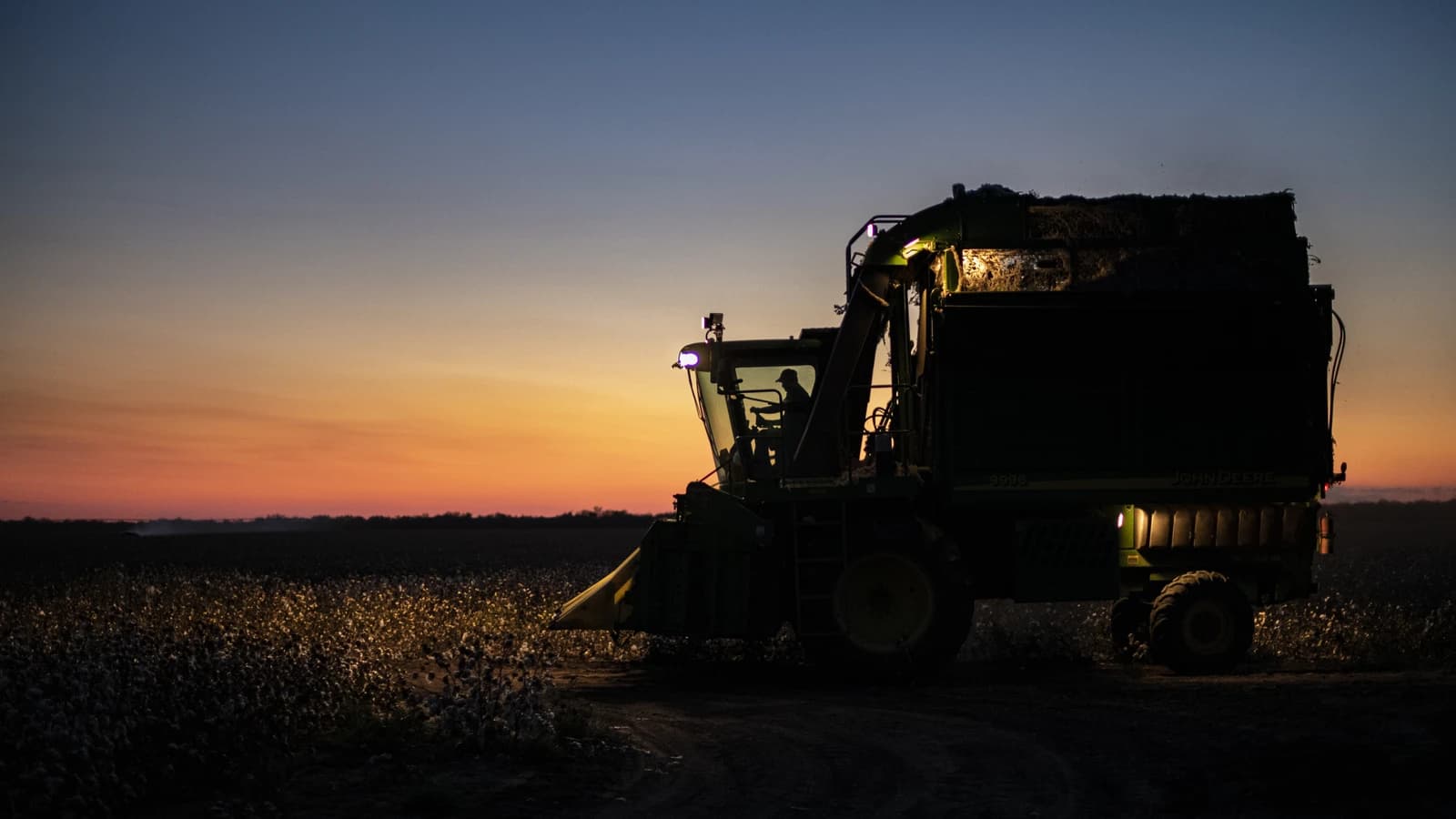
That matters economically because the political mood is being driven by prices that remain too high for voters to feel comfortable. The latest data show inflation is still running hot enough to shape consumer behavior, while unemployment is low but not low enough to offset the bite from food, fuel and rent. Nebraska Republicans are talking openly about high diesel costs, rural strain and beef prices, while Trump’s decision to allow up to 300,000 metric tons of ground beef imports has angered cattle producers across Nebraska, Iowa, Kansas and Texas. Those are not just farm-state irritants; they are the kinds of cost-of-living pressures that can turn a routine midterm into a rebuke of the incumbent president’s economic stewardship.
For investors, the market takeaway is that policy risk is rising in the very states where Republicans need to maximize turnout and protect Senate seats. Nebraska’s race against independent Dan Osborn is a reminder that Trump-aligned candidates can no longer assume rural voters will paper over inflation fatigue. The same tension extends across other competitive red-state contests, where GOP incumbents are being forced to defend against a cost-of-living narrative while Democrats benefit from a more unified anti-Trump vote. If the White House has to keep pouring political capital into friendly territory, it suggests the margin for error on tax, trade and agricultural policy is shrinking.
Adalytica’s US Presidential Approval Sentiment gauge reinforces that pressure. Its reading shows approval sentiment at just 18, with awareness at 93, a combination that points to an intensely watched presidency with weak underlying support. At the same time, the S&P 500 trade signal is flashing extreme greed while awareness remains at zero, a split that tells you markets are still leaning into risk even as political and policy uncertainty builds. That disconnect is where opportunity and danger usually emerge.
The narrative here is simple: Trump is not rallying from strength, he is campaigning from vulnerability. The red-state blitz echoes George W. Bush’s late-term barnstorming in 2006, when Republicans tried to stem a wave that ultimately rolled through Congress. With inflation still biting, energy and food costs shaping voter anger, and Senate races tightening in places Trump once dominated, the market should expect more policy improvisation and more volatility around sectors tied to trade, agriculture, fuel and consumer staples.
For investors, the actionable takeaway is to favor beneficiaries of persistent inflation and political gridlock — energy, defense, logistics and selected food pricing power — while staying cautious on rural-facing businesses exposed to tariff uncertainty and commodity backlash. The market is underestimating how quickly a midterm defense can turn into a policy squeeze.
| Entity | Gains | Losses |
|---|---|---|
| Energy producers | ▲Sticky fuel prices | ▼Household budgets |
| Consumer staples with pricing power | ▲Inflation pass-through | ▼Margin-sensitive retailers |
| Defense and political ad spend | ▲Campaign urgency | ▼GOP incumbents in red states |
| Nebraska cattle growers | ▲Little | ▼Beef import policy |