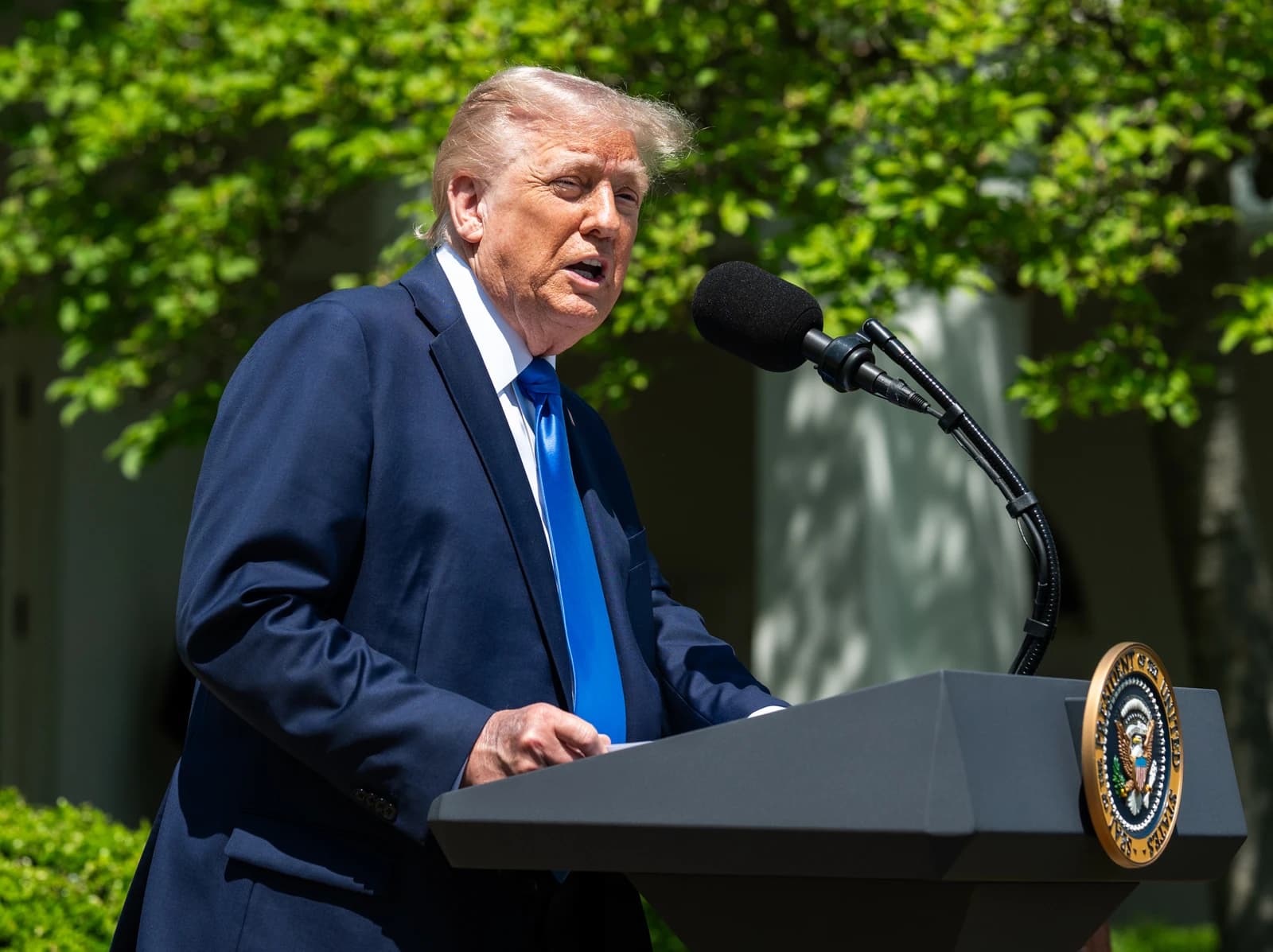
The biggest economic story behind Donald Trump’s reported plan to spend $400 million ahead of the midterms is not the money itself — it is the signal that fiscal politics may be turning back into a demand shock just as inflation is still elevated and growth is still running hot.
Trump $400 Million Pre-Midterms Spending Plan
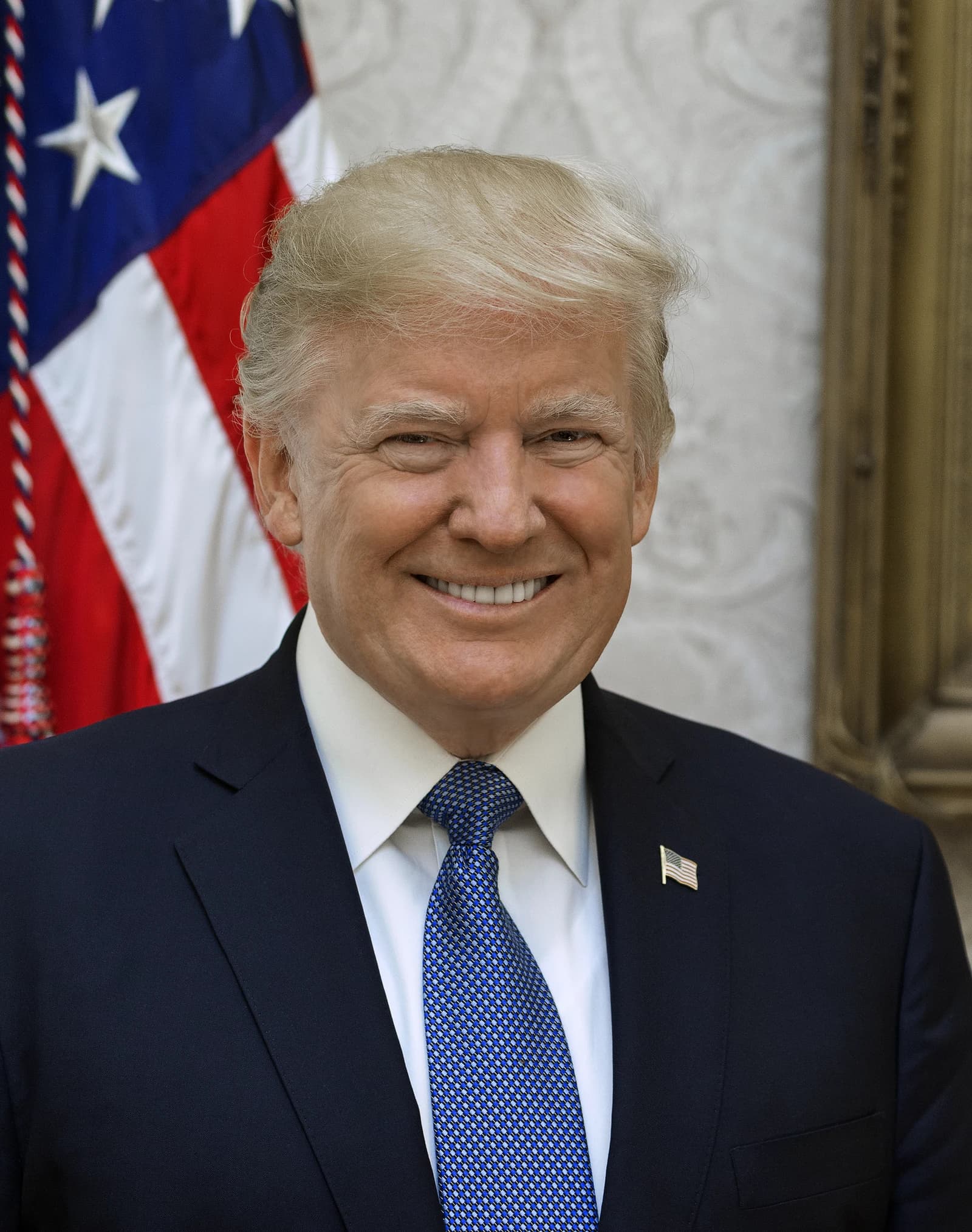
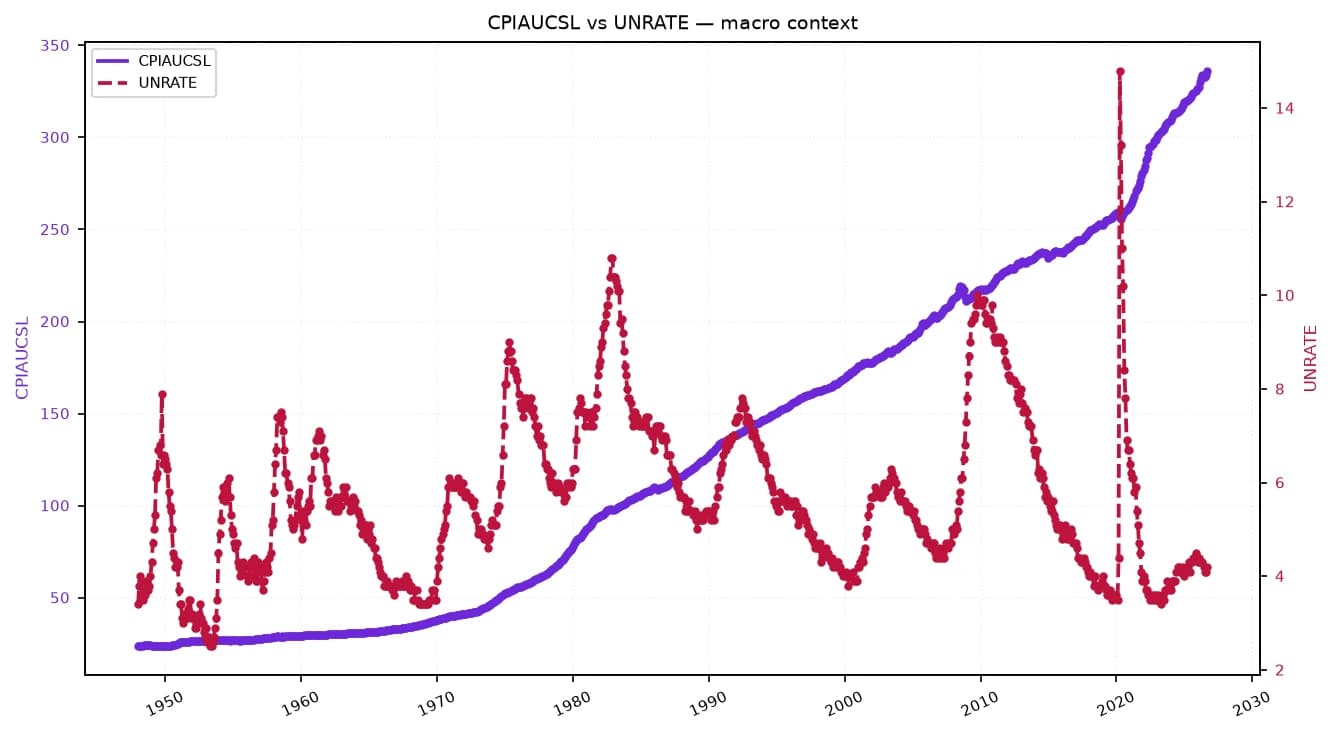
That matters because the U.S. economy is already operating with GDP around 32.6 trillion and unemployment near 4.2%, a combination that leaves little room for extra stimulus without stoking another round of price pressure. Consumer prices are still rising, with CPI at 336.3 in the latest reading, and the market has every reason to worry that election-season spending could keep the Federal Reserve on the defensive for longer than investors expect.
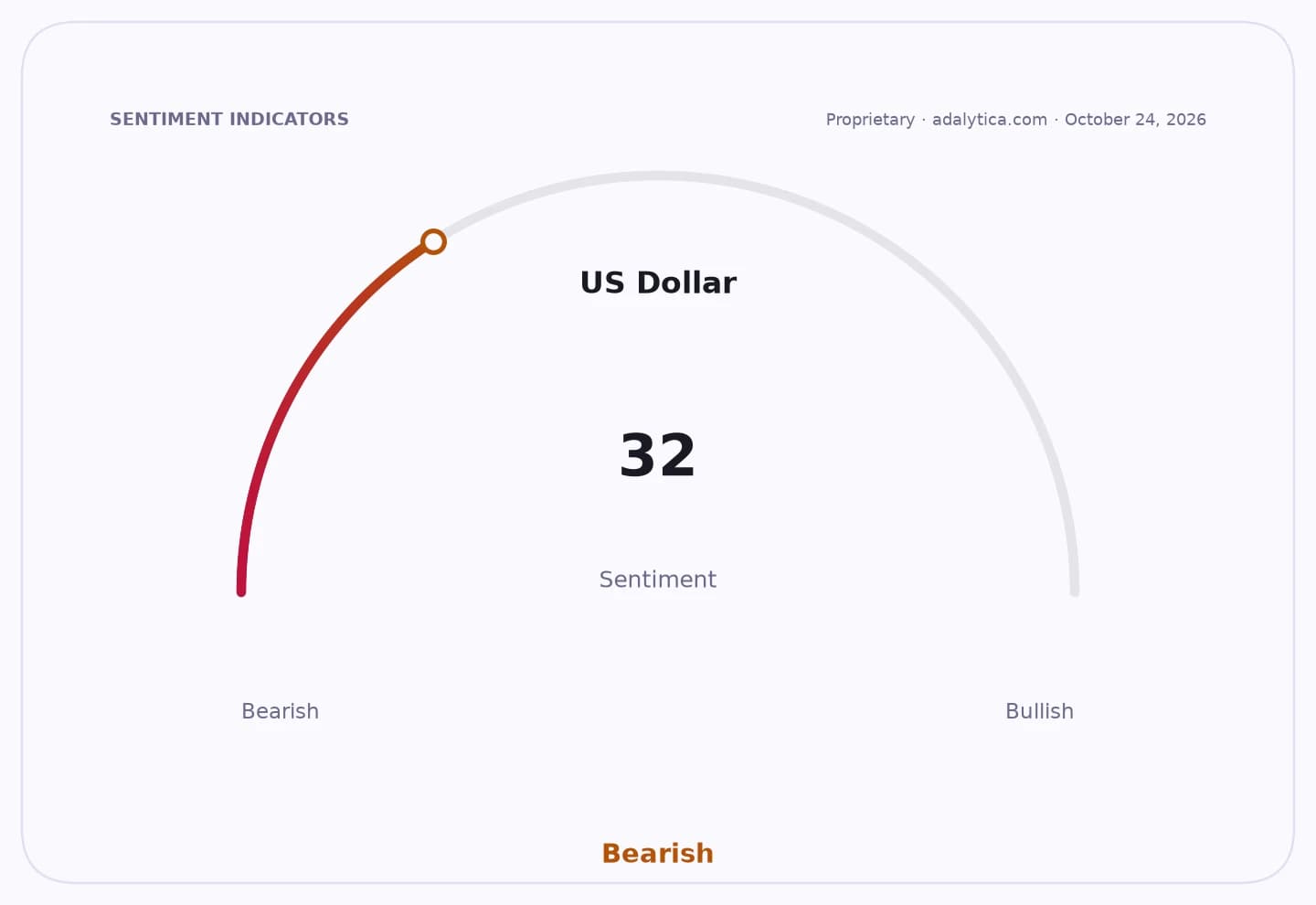
Sentiment IndicatorsⓘProprietary · adalytica.com · October 26, 2026
This is a snapshot — live sentiment, awareness and momentum for 130+ markets update continuously in the dashboard.Open AlphaPulse

For investors, the message is more nuanced: this is less a simple “more spending equals more growth” trade than a reminder that political cash dumps tend to favor the sectors closest to the vote. Campaign-linked media, digital ads, broadcasters and consumer-facing platforms can see a short-lived bump, while rate-sensitive and valuation-heavy assets could face renewed pressure if the market starts pricing in firmer inflation and stickier policy. That is exactly the kind of backdrop that can rotate leadership fast.
There is also a second-order effect the market may be underestimating. In an environment where fiscal discipline is already under debate and officials are warning about debt and inefficient spending, a major pre-election outlay reads as another example of policy urgency outrunning fiscal restraint. That is why seasoned investors treat this kind of headline as more than political theater: it can leak into yields, inflation expectations and sector positioning long before the spending actually lands.
The clearest beneficiaries are likely to be advertising-heavy platforms and election-media proxies. Meta, despite recent volatility, still sits above its 200-day moving average even after its sharp pullback, while Alphabet has also lost momentum and is now trading well below its recent highs. Disney, which sits close to its 50-day moving average after a strong run, could also benefit if political ad demand spills into broader TV and streaming inventory. But with the S&P 500 flashing extreme fear in Adalytica’s trade signal snapshot, the broader market is telling us investors are not confident this spending impulse will be cleanly growth-positive.
Our thesis is simple: if Trump’s $400 million push becomes a real pre-election spending wave, the winning trade is not chasing the headline — it is owning the toll roads. I believe investors should focus on the ad-tech, media and consumer-discretionary names that monetize political attention, while staying cautious on anything that depends on easy financial conditions or stable inflation. If the market starts to fear another fiscal sugar high, the next move may be less about who wins the election and more about which assets can absorb the political money flood without getting caught in the inflation wash.
| Entity | Gains | Losses |
|---|---|---|
| Meta | ▲Political ad demand | ▼Margin volatility |
| Alphabet | ▲Search ad spend | ▼Rate-sensitive multiples |
| Disney | ▲TV ad inventory | ▼Post-election fade |
| Bond bulls | ▲None | ▼Higher inflation risk |