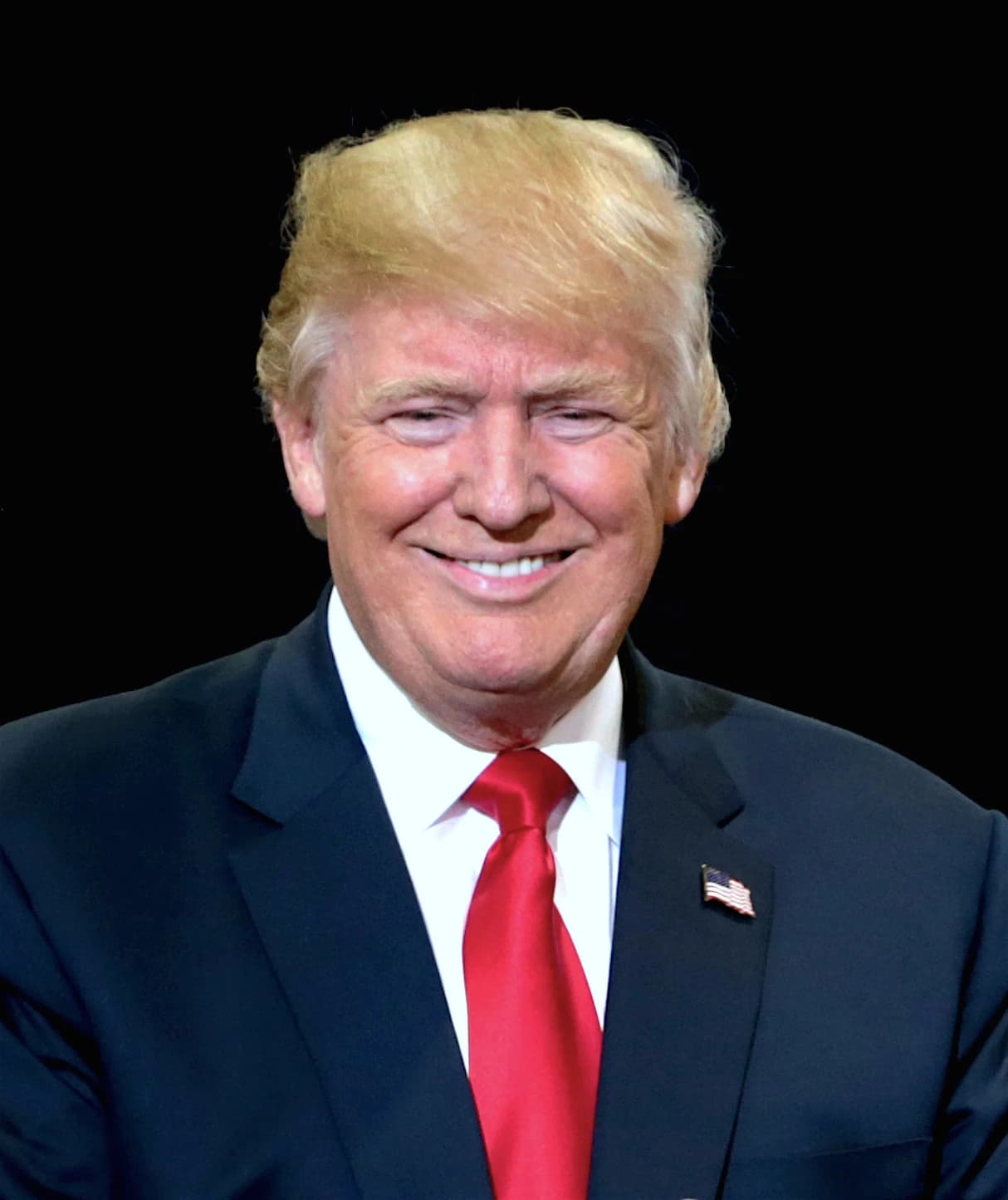
President Donald Trump’s push to promise $5,000 government checks to voters ahead of the midterm elections is running into a basic problem: even some Republican supporters do not believe the money will ever arrive, and the proposal’s economics look difficult to square with a still-sensitive inflation backdrop.
Trump $5,000 checks face skepticism and inflation worries
That matters because the idea is not just another campaign flourish. Trump is tying the payments directly to Republican control of Congress, turning a fiscal promise into a turnout tactic at a moment when Americans are still wary of prices and deficits. If the checks were ever financed, they would likely top $1 trillion, according to the White House’s own description of the plan, a scale that would have major implications for borrowing, inflation expectations and consumer demand.
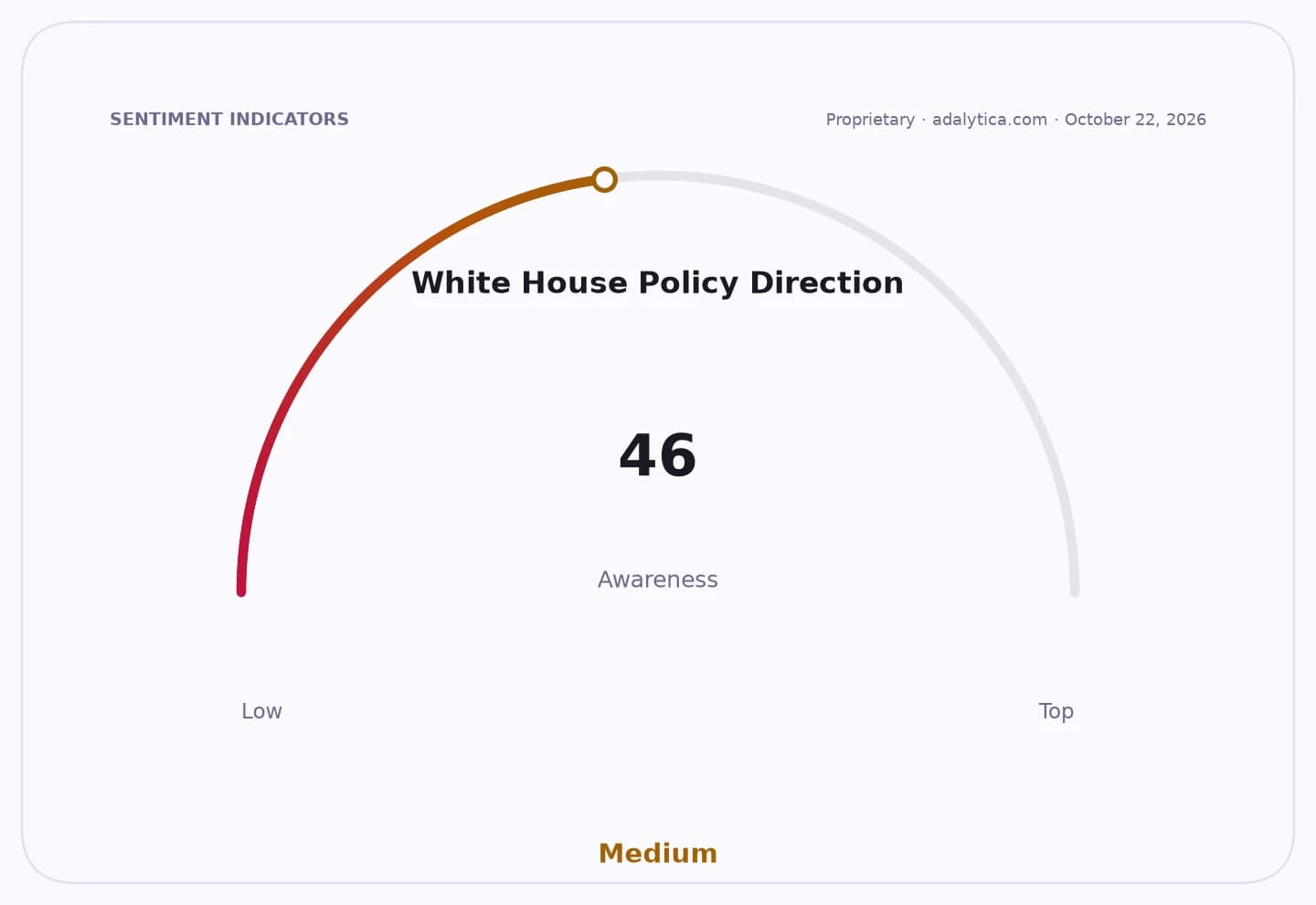
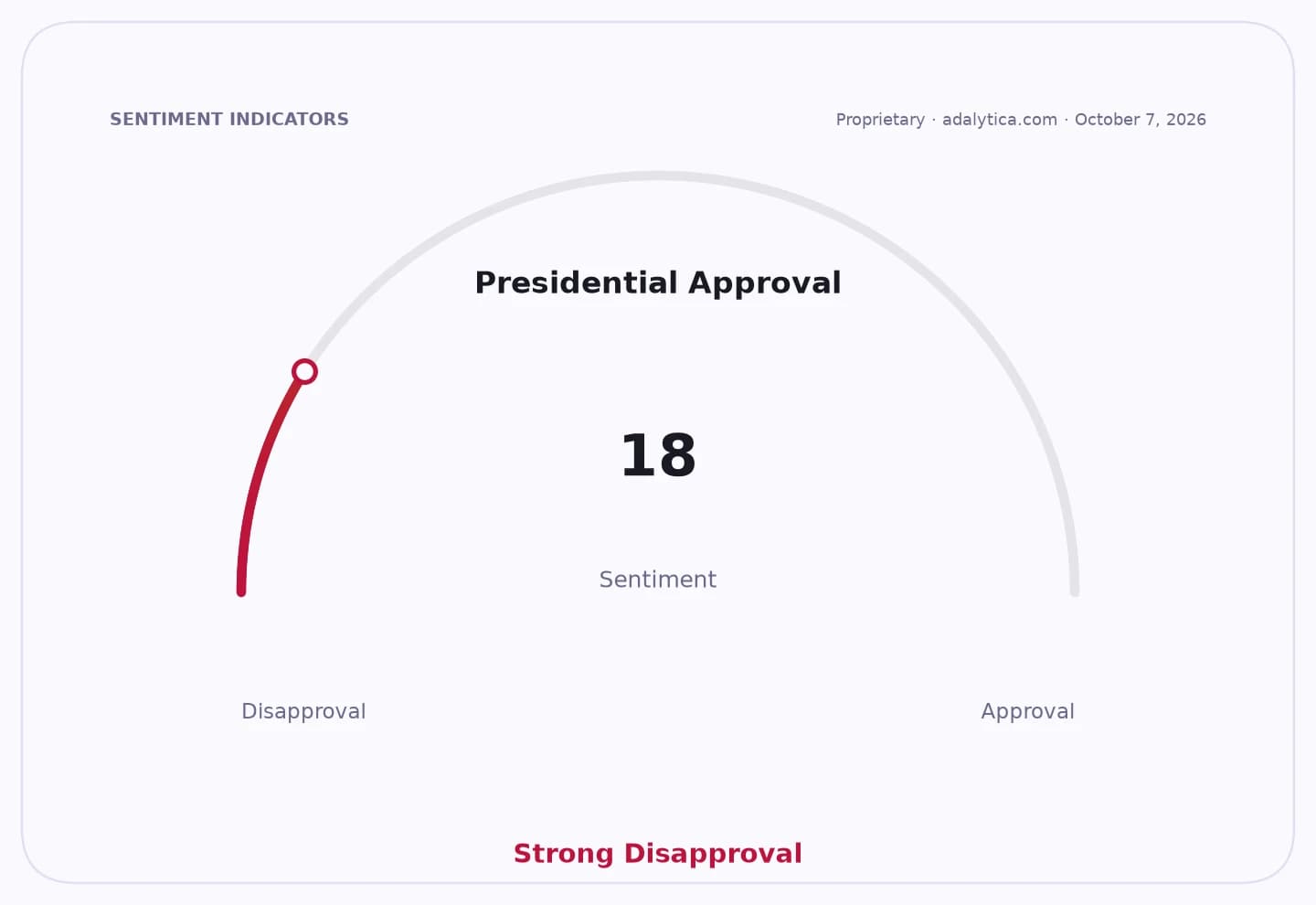
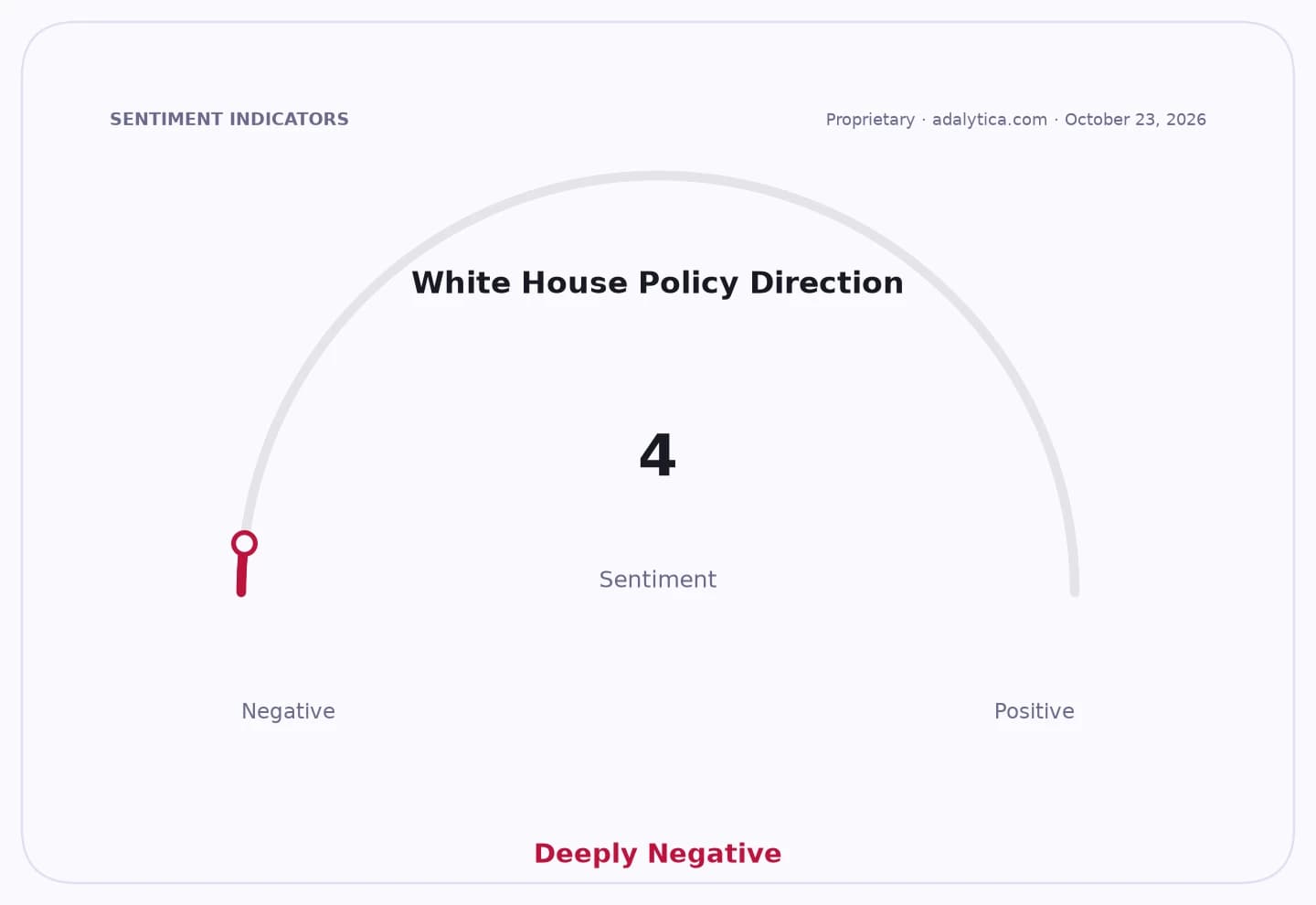
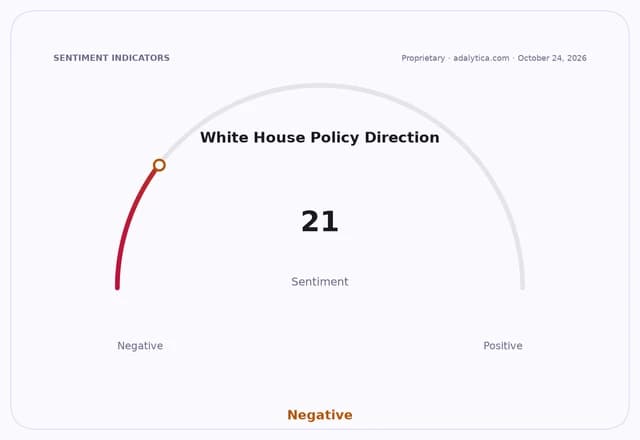
Sentiment IndicatorsⓘProprietary · adalytica.com · October 24, 2026
This is a snapshot — live sentiment, awareness and momentum for 130+ markets update continuously in the dashboard.Open AlphaPulse
The political logic is clear. Trump has repeatedly used cash-like promises to keep his coalition engaged, including talk of tariff-funded dividends and savings passed through from government cuts. But those earlier pledges largely never materialized, and that history is now feeding skepticism among voters who are already frustrated with his economic record.
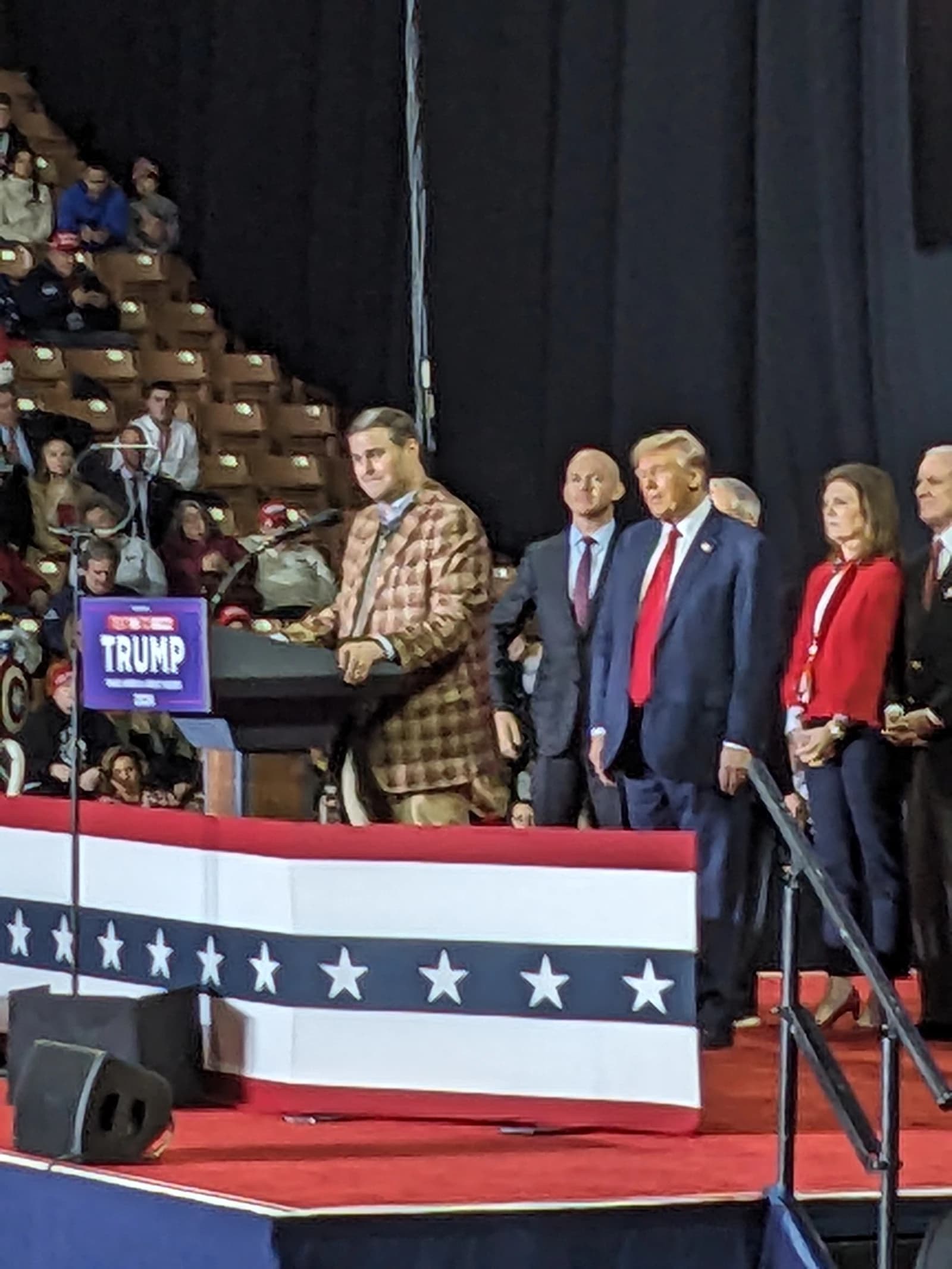
At rallies in Alaska, Texas, Kentucky and Georgia, some loyalists said they trusted Trump to deliver. Others sounded much less convinced. One attendee said voting should not be “bought.” Another said he was “not sure if it’s necessary.” Republican strategist Amy Frederiksen said “most people know that’s a blatant over-the-top promise,” capturing the risk that the message may mobilize the base without persuading the broader electorate.
That trust gap is reinforced by polling. An AP-NORC survey in September found roughly half of registered voters say Trump does not keep his promises, while only about two in 10 say he does. Among Republicans, the view is more forgiving, but even there the numbers suggest the promise is seen as aspirational rather than guaranteed.
For investors, the more important issue is what the proposal says about the policy mix. The administration is already floating a $90 payment for 20 million Medicare enrollees, $500 rebates for some Obamacare customers and automatic “Trump accounts” for children. Put together, those measures point to a White House leaning toward direct fiscal support just as markets remain alert to any policy that could reignite inflation. The economic case for handing households a broad cash boost after prices have already surged is weak unless offset by spending cuts or new revenue, and the administration has not shown the kind of detailed modeling that would calm those concerns.
The market backdrop makes that especially relevant. U.S. consumer sentiment, tracked by the University of Michigan series in the data, remains fragile after falling to 48.1 in September, with a modest rebound forecast for October to 52.5. That is hardly the kind of environment in which a trillion-dollar stimulus pledge would be judged as inflation-neutral. At the same time, the S&P 500 remains near record territory, but trade-signal measures in the context show extreme fear, underscoring how sensitive investors remain to policy surprises.
The broader narrative is that Trump is trying to convert a fiscal promise into a political weapon, but the economics and his own credibility problem are working against him. If Republicans do retain Congress, the plan would face a second test: whether it can be financed without worsening deficits or stoking another round of price pressure. If they do not, the promise risks joining a growing list of Trump pledges that energize rallies but never reach voters’ bank accounts.
| Entity | Gains | Losses |
|---|---|---|
| Trump campaign | ▲Rally energy, turnout pitch | ▼Credibility if checks never come |
| Republican base loyalists | ▲Hope of cash payment | ▼Risk of disappointment |
| Fiscal hawks / bond investors | ▲Little, unless plan dies | ▼Deficit and inflation risk if enacted |
| Democrats | ▲Attack line on gimmick politics | ▼None if promise fades |