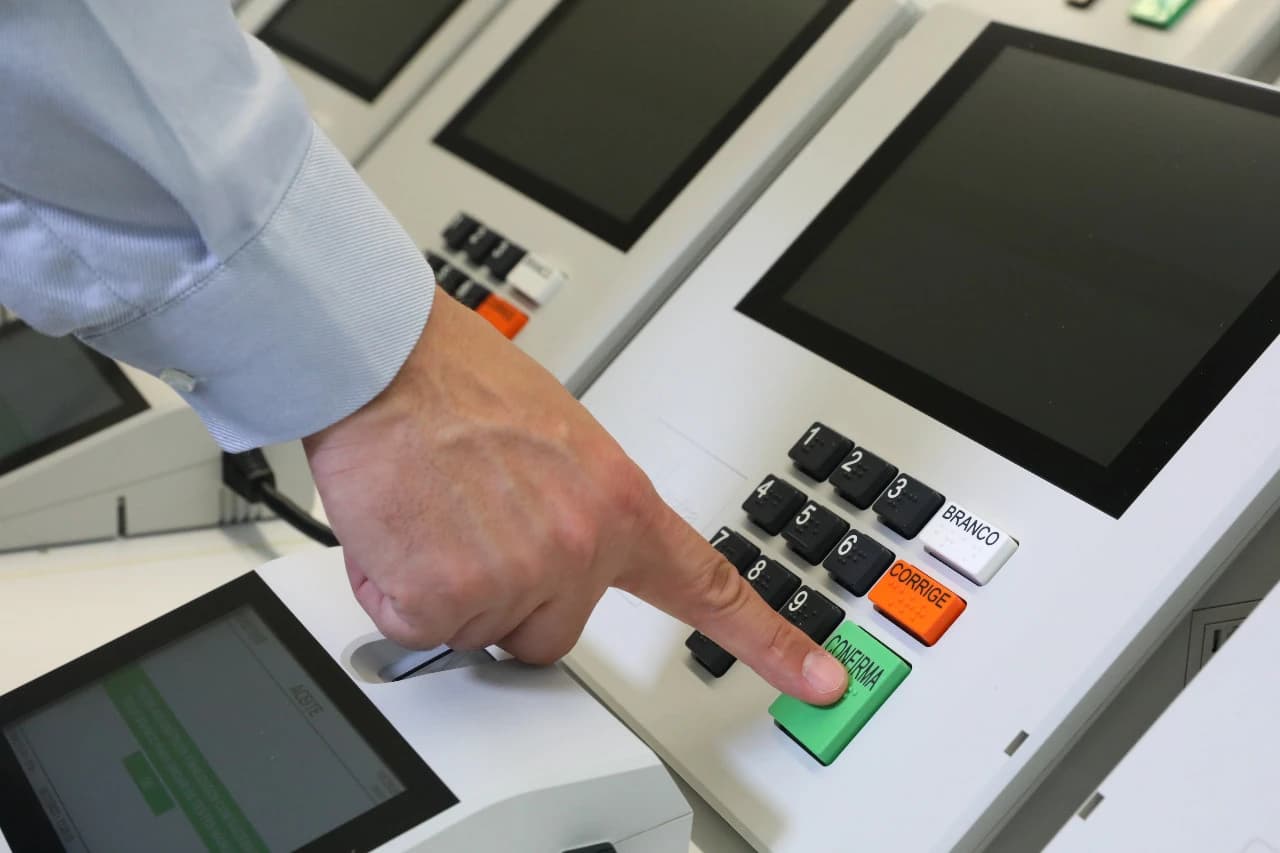
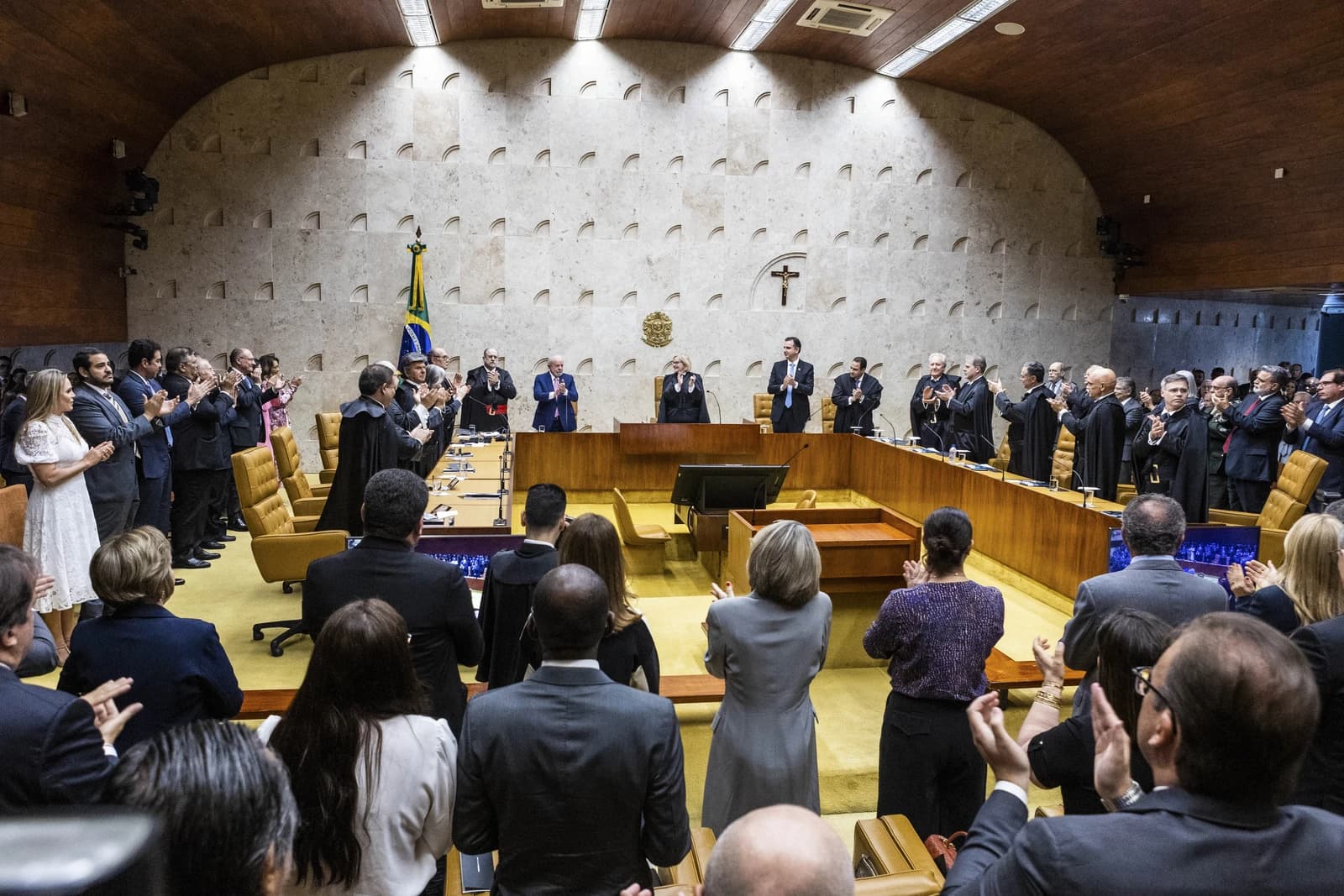
A group of 31 U.S. lawmakers is pressing Donald Trump to avoid intervening in Brazil’s presidential election and to commit to recognizing the result, underscoring fears that Washington’s actions could deepen political tensions in Latin America’s largest economy and unsettle investors.
Brazil lawmakers urge Trump to avoid election interference
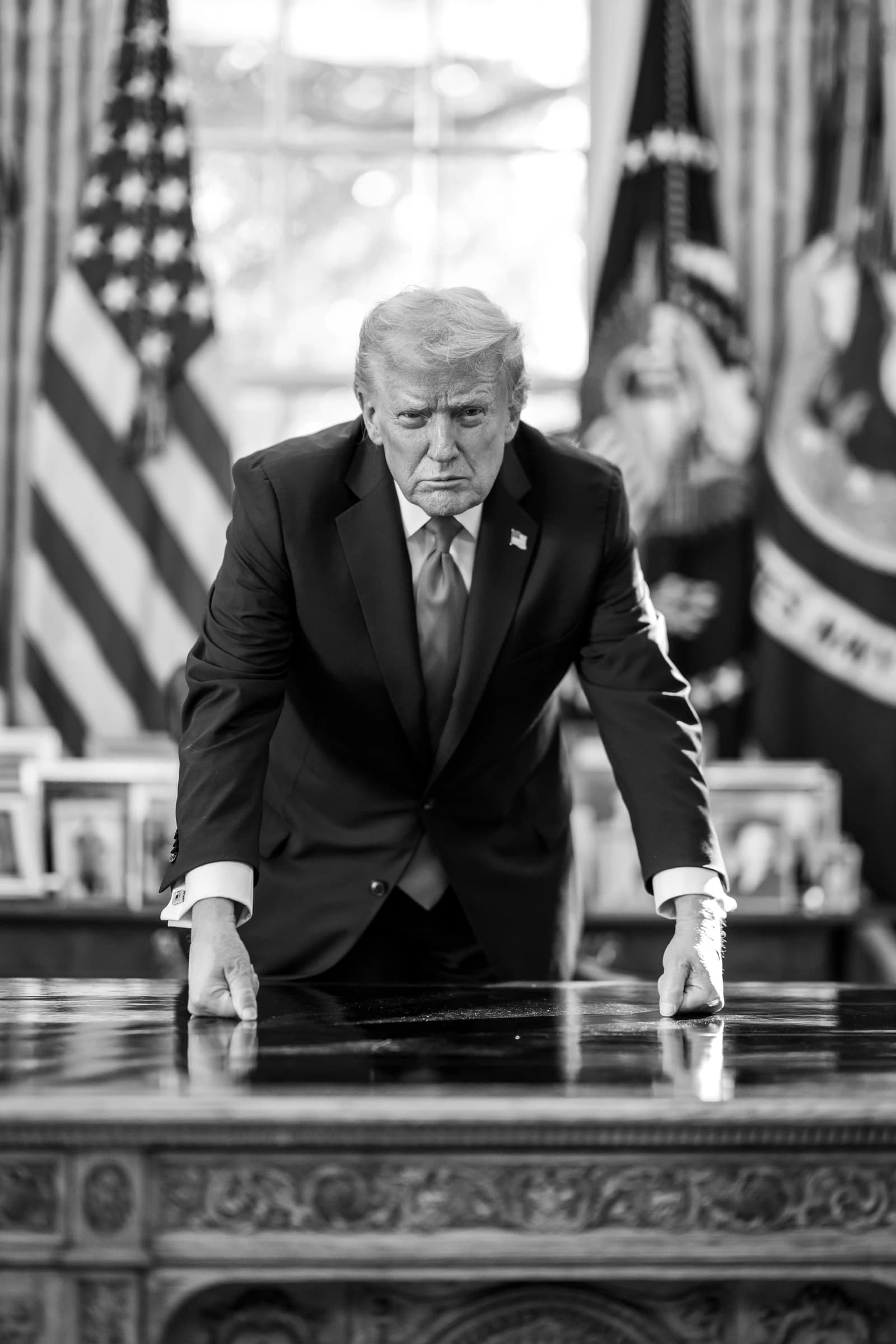
In a letter to Secretary of State Marco Rubio, the lawmakers — including Senator Bernie Sanders — said Trump’s administration is already applying diplomatic, economic and political pressure on Brazil in ways that could cast doubt on the vote. They cited U.S. sanctions on Supreme Court Justice Alexandre de Moraes, the terrorism designations for Brazilian gangs Primeiro Comando da Capital and Comando Vermelho, the revocation of Brazil’s ambassador’s visa and an unsuccessful State Department attempt to examine Brazil’s voting system.
Sentiment IndicatorsⓘProprietary · adalytica.com · September 30, 2026
This is a snapshot — live sentiment, awareness and momentum for 130+ markets update continuously in the dashboard.Open AlphaPulse

The warning lands at a sensitive moment for markets because Brazil’s 2026 election is shaping up as a major policy inflection point, with President Luiz Inácio Lula da Silva facing a challenge from Flávio Bolsonaro in a contest that could determine whether the country stays on a left-leaning course or pivots right. Any perception that the U.S. is backing one side risks complicating trade, investment flows and diplomatic ties, particularly if Brasília views Washington’s moves as interference.
Investors are already tracking Brazil through exchange-traded exposure, with the iShares MSCI Brazil ETF, EWZ, recently bouncing to $37.25 from $36.21 a day earlier after a sharp drop to $34.73 in March. The fund’s 50-day moving average sits near $36.29 and its 200-day moving average around $36.10, while a relative strength index reading of 38.1 suggests the rebound has not fully erased recent weakness.
Petrobras, which often serves as a proxy for Brazil risk, closed at $20.87 on Wednesday, up from $20.65 the previous two sessions and well above its 200-day moving average of $17.24. The stock’s momentum has cooled from September’s surge above $21.70, but it remains a key barometer for foreign investors watching whether election headlines feed into currency, fiscal and policy uncertainty.
The broader backdrop is one of heightened sensitivity to geopolitical shocks. Adalytica’s Global Stability Sentiment gauge shows neutral conditions at 68, but with awareness in “extreme fear,” while its U.S. dollar signal also sits in extreme fear territory, pointing to fragile cross-asset positioning as political risk builds.
For investors, the main question is whether the U.S.-Brazil dispute remains a diplomatic flare-up or turns into a wider market catalyst through sanctions, trade friction or election-related volatility. The next focus will be October’s vote and whether Washington continues to escalate pressure or steps back before the campaign intensifies.
| Entity | Gains | Losses |
|---|---|---|
| Lula da Silva | ▲Anti-interference stance | ▼Foreign pressure narrative |
| Flávio Bolsonaro | ▲U.S. exposure | ▼Perception of foreign backing |
| EWZ investors | ▲Policy clarity | ▼Election volatility |
| Petrobras shareholders | ▲Brazil growth hopes | ▼Geopolitical discount |