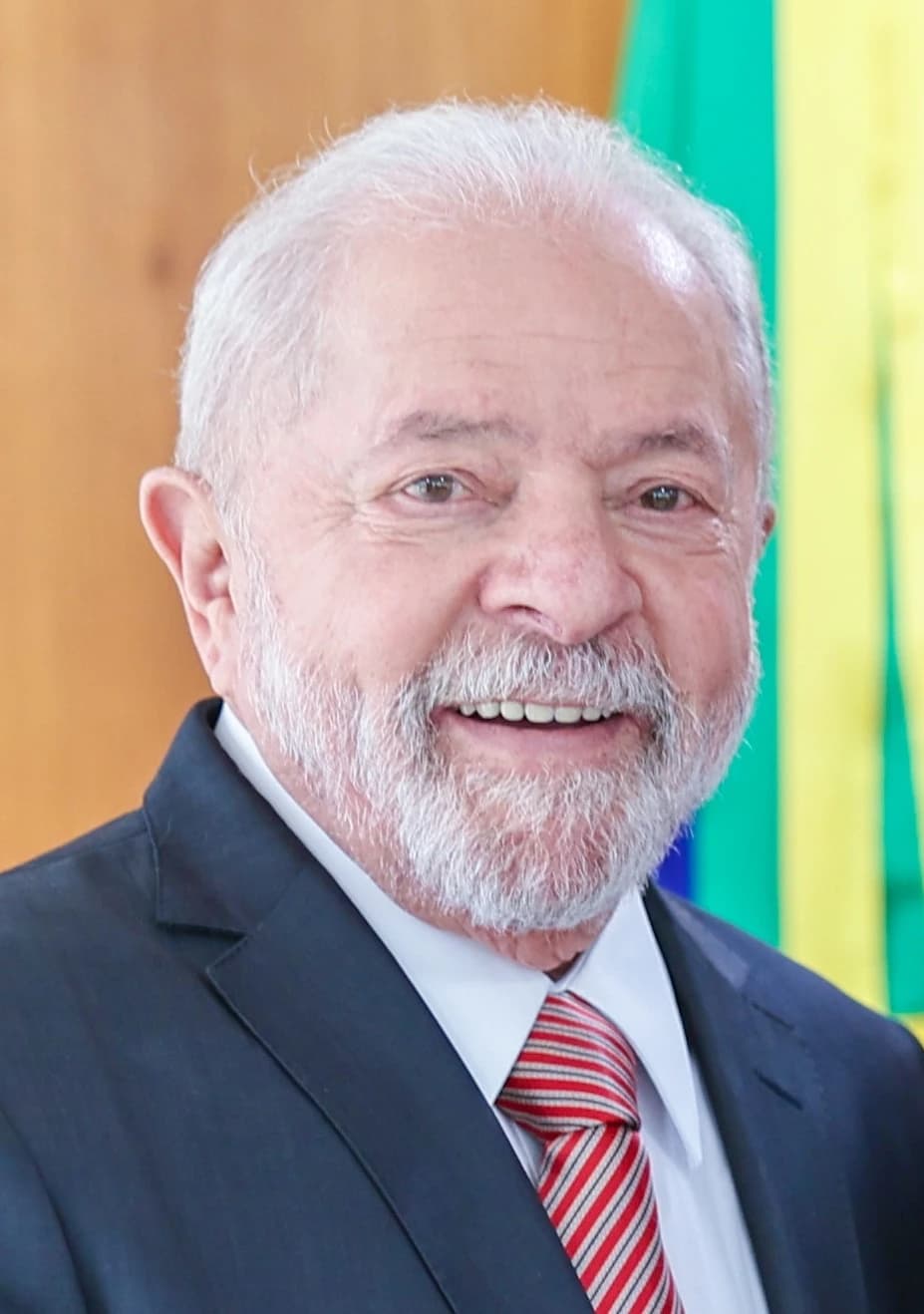
Brazilian President Luiz Inácio Lula da Silva is set to use his Independence Day address to frame the country’s trade clash with the United States as a fight over sovereignty, turning a ceremonial speech into a political message with economic consequences.
Brazil Lula Speech Focuses on U.S. Tariff Clash

The three-minute, 43-second national broadcast, authorized by Brazil’s electoral court, will say Brazil “will not be a colony of other foreign powers” and will not “be a colony of anyone,” according to the government. The timing matters because Lula is seeking re-election and is facing rising pressure to defend Brazilian exporters after Washington raised tariffs on some Brazilian goods.
Sentiment IndicatorsⓘProprietary · adalytica.com · September 7, 2026
This is a snapshot — live sentiment, awareness and momentum for 130+ markets update continuously in the dashboard.Open AlphaPulse
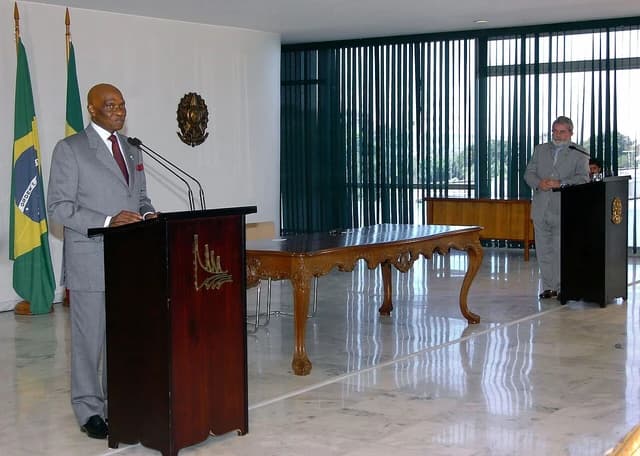
For investors, the significance is less about the rhetoric than the policy backdrop it reflects. A sharper diplomatic tone from Brasília can harden the dispute with the U.S., complicate negotiations over tariffs and keep markets focused on the risk of wider trade frictions hitting Brazil’s growth, external accounts and corporate earnings. The message also reinforces Lula’s economic nationalism, which tends to support state intervention and a more assertive stance toward foreign partners.
The speech will link independence to control over territory, natural resources, borders and the economy, making the sovereignty theme central to the government’s public narrative. That framing comes as Brazil’s political environment remains tense, with former president Jair Bolsonaro still casting a shadow over the election cycle and the Supreme Federal Court closely involved in cases tied to the 2022-23 crisis.

Markets have already been sensitive to the broader Brazil risk backdrop. The iShares MSCI Brazil ETF, EWZ, has climbed to $37.86, well above its 50-day moving average of $35.43, but its RSI reading of 82.7 points to an overbought market, suggesting investors are paying up for Brazil exposure even as political and trade tensions build. Vale, one of the country’s most important global exporters, has also held near $15.27, above both its 50-day and 200-day moving averages, leaving commodity-linked shares exposed if the trade row worsens.
Adalytica’s Global Stability gauge shows sentiment at 30, labeled fear, with awareness at 81, underscoring a jump in perceived geopolitical risk. The U.S. dollar trade signal is also strong, with sentiment at 84, suggesting investors are leaning toward safer assets as Brazil’s tariff dispute and political messaging intensify.
The next catalyst is whether Lula’s speech is followed by concrete trade or diplomatic moves, or whether the government uses Independence Day to keep the confrontation rhetorical while seeking room for negotiations.
| Entity | Gains | Losses |
|---|---|---|
| Lula government | ▲Nationalist support | ▼Trade-policy flexibility |
| Brazilian exporters | ▲Potential public backing | ▼Tariff exposure |
| U.S. trade negotiators | ▲Pressure leverage | ▼Brazilian goodwill |
| EWZ longs | ▲Sovereignty bid | ▼Volatility risk |