Brazil’s abrupt firing of its chief of police adds a fresh political shock to a country already under scrutiny from investors for institutional instability, even as the real and Brazil-focused assets hold up better than the turbulence suggests.
Brazil Police Chief Firing Rattles Markets
The removal matters because law-enforcement leadership changes at this level can signal deeper friction between the government, the judiciary and security agencies. For investors, that kind of churn raises the risk premium on Brazil at a moment when the country is also trying to court capital through new rules on strategic minerals and a more active diplomatic posture.
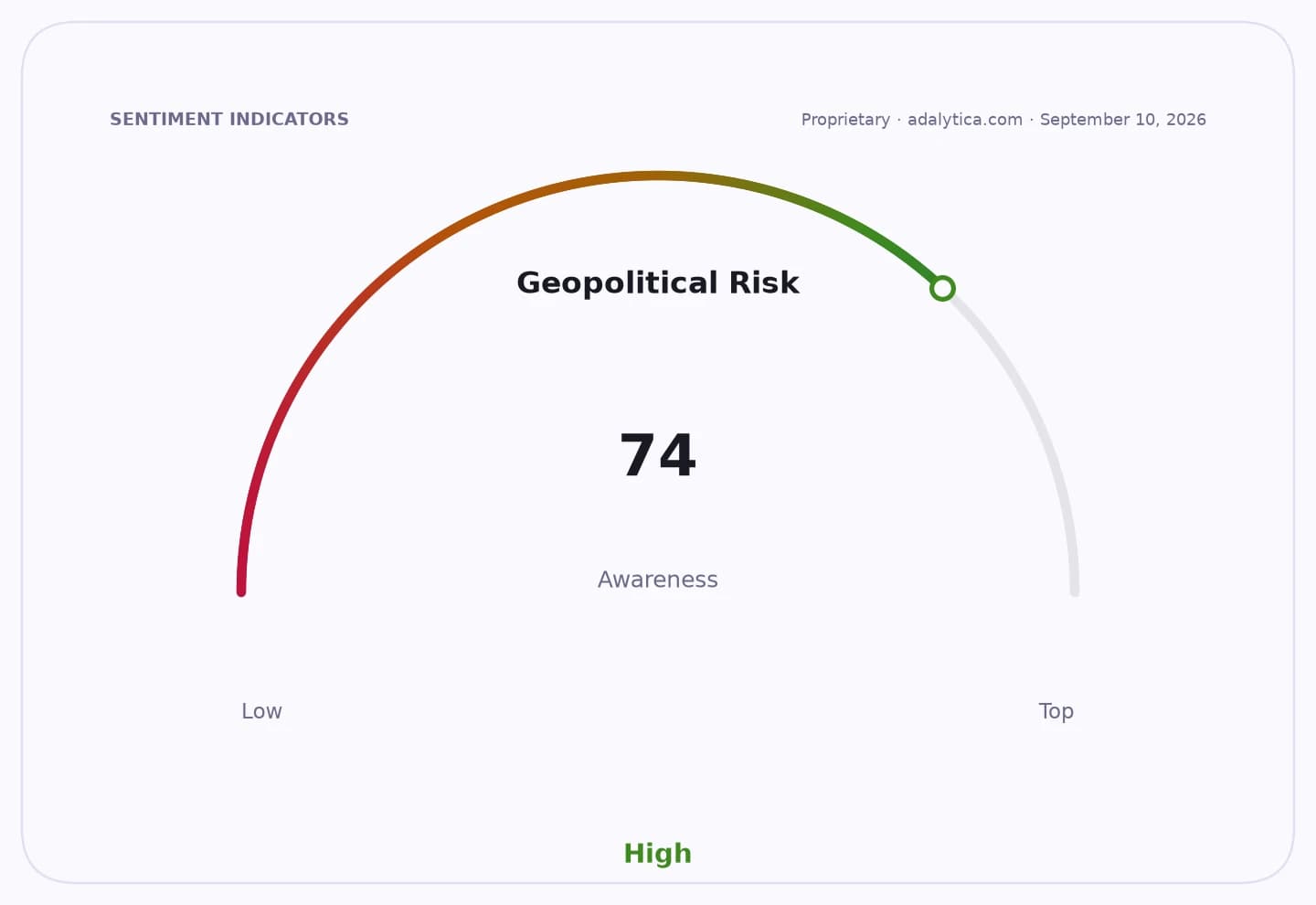
Sentiment IndicatorsⓘProprietary · adalytica.com · September 10, 2026
This is a snapshot — live sentiment, awareness and momentum for 130+ markets update continuously in the dashboard.Open AlphaPulse
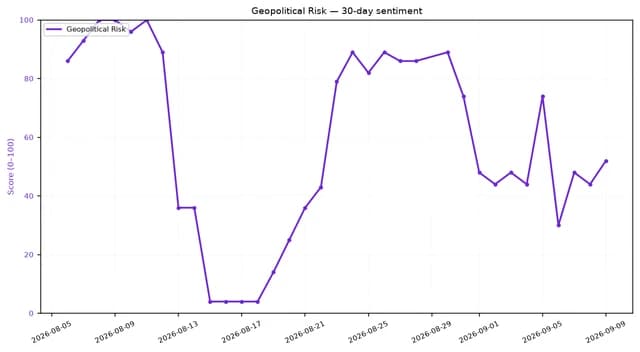
Brazil-linked assets have not traded as if the situation is spiraling, but they are already reflecting elevated political sensitivity. The iShares MSCI Brazil ETF, EWZ, closed at $38.07 on Sept. 9, below its recent peak near $39.10, while still well above its 50-day and 200-day moving averages, a sign that momentum remains positive even after a sharp run-up. The ETF’s relative strength index is near 80, which points to stretched near-term conditions.
The Brazilian real has been steadier, with the USD/BRL exchange rate around 5.10 on Sept. 10 after trading near 5.08 the previous day. That suggests investors have not yet rushed for the exits, but it also leaves room for a move if political noise escalates or spills into fiscal and policy credibility.
State oil giant Petrobras has been one of the clearest beneficiaries of the backdrop, with PBR rising to $20.93 on Sept. 9 from $12.91 in November, a powerful gain that leaves the stock near the top of its recent range. The move reflects both company-specific strength and a broader bid for Brazil exposure, though it also means the shares may be vulnerable if instability starts to weigh on sentiment.
More broadly, Brazil remains attractive because of its commodity base and its role in global supply chains, including rare earths and energy. But investors tend to demand more compensation when political headlines point to institutional stress, and any sign of widening turmoil could hit inflows, the currency and locally sensitive equities.
The near-term focus is whether the police chief’s firing becomes an isolated personnel move or a proxy for a deeper fight inside the state. If the story broadens, Brazil’s risk premium could rise quickly; if it fades, markets may return to pricing the country on growth, commodities and rates instead.
| Entity | Gains | Losses |
|---|---|---|
| Political hardliners | ▲More control | ▼Institutional credibility |
| Brazil-focused equity bulls | ▲Momentum in EWZ and PBR | ▼Less certainty if turmoil spreads |
| Safe-haven dollar holders | ▲Better hedging demand | ▼Brazil risk assets if tensions ease |
| Brazilian government | ▲Room to reset security leadership | ▼Investor trust if instability deepens |