Brazilian police in four states seized luxury cars, jewelry, watches and art while freezing 29 bank accounts holding about R$104 million in a coordinated operation targeting a criminal faction accused of drug trafficking and money laundering.
Brazil police seize R$104 million in assets
The sweep matters because it aims at the financial architecture that allows organized crime groups to expand beyond street-level violence into durable, cash-generating businesses. By moving against assets rather than only arrests, authorities are trying to disrupt the ability of the network to recycle illicit proceeds into property, vehicles and other stores of value that can be used to launder funds and project influence.
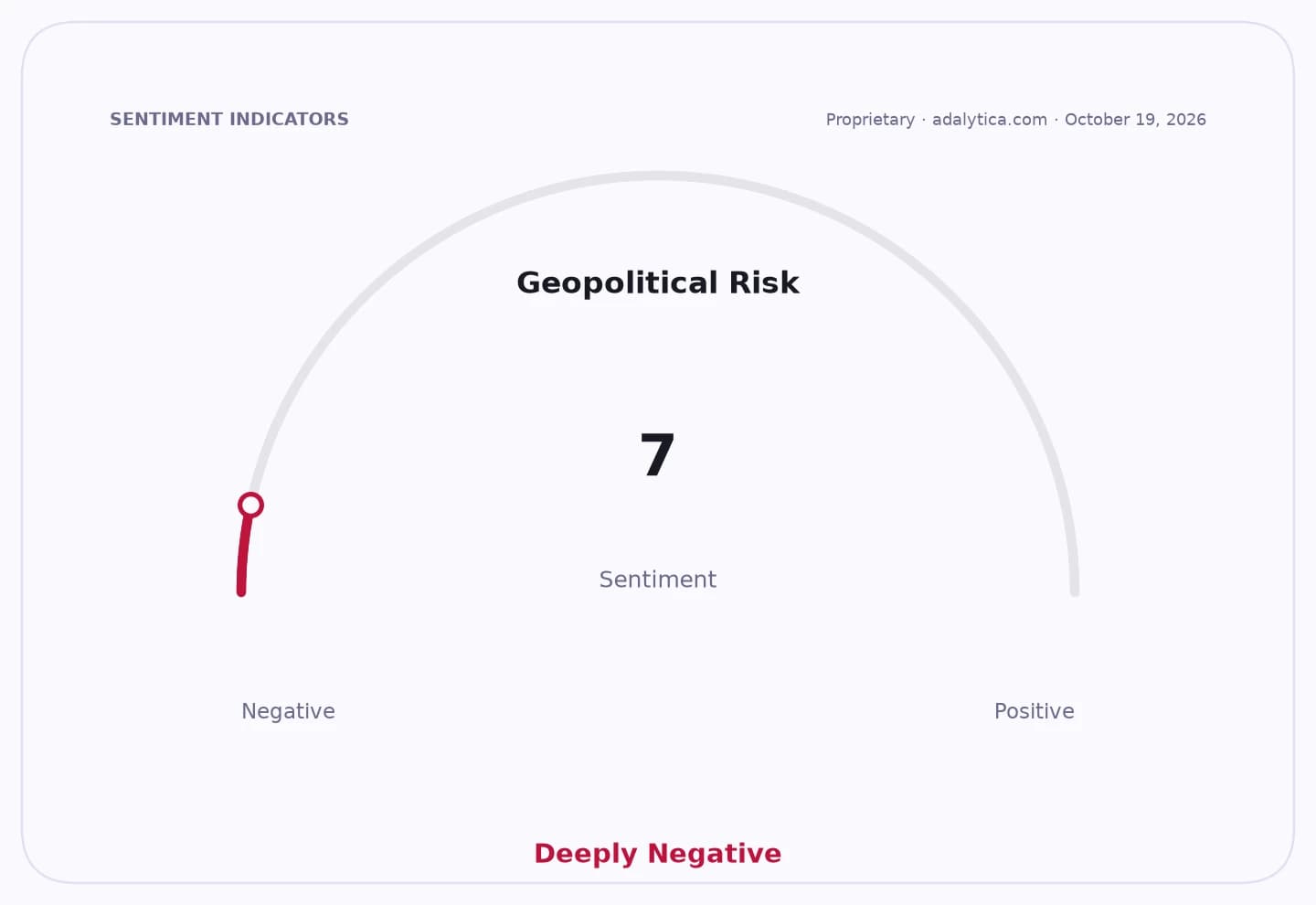
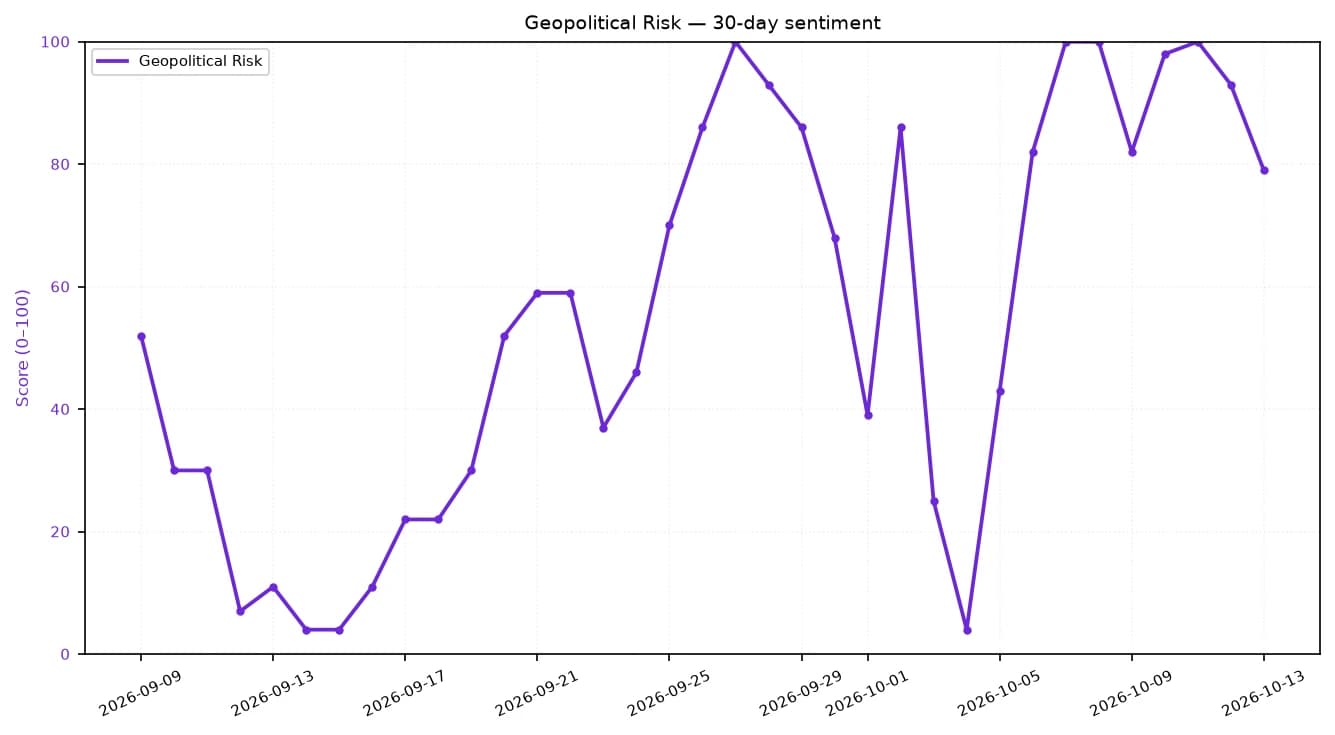
Sentiment IndicatorsⓘProprietary · adalytica.com · October 18, 2026
This is a snapshot — live sentiment, awareness and momentum for 130+ markets update continuously in the dashboard.Open AlphaPulse
Police from Espírito Santo, Paraná, Mato Grosso do Sul and Minas Gerais executed 25 search-and-seizure warrants and 22 orders to seize assets under the operation, which was part of the federal Project Impulse within the National Program to Combat Criminal Organizations. Officials said the action underscored cooperation between state police forces and the federal government, a formula Brasília has been leaning on as gangs become more decentralized and financially sophisticated.
Among the items taken were a Porsche Cayenne Coupé, a Porsche Panamera, a Jeep Commander and a RAM Rampage, all found alongside jewelry, watches and artwork in mansions in Espírito Santo. The scale of the seizures, roughly 18.7 million euros at current exchange rates, suggests the group had built a meaningful balance sheet, not just a weapons-and-drug pipeline.
For investors, the story is less about the headline asset haul than about what it says on enforcement risk, governance and the operating environment in Brazil. A tougher anti-money-laundering push can be constructive for formal-sector lenders, insurers and consumer businesses if it weakens criminal cash flows that distort local economies, though it also raises scrutiny on asset ownership, transactional controls and compliance systems across the financial sector.
Brazil’s broader risk backdrop remains unsettled, with security incidents and organized crime pressure feeding into perceptions of institutional strain. That has little direct market impact on its own, but persistent law-enforcement escalation can affect sentiment toward Brazilian assets by reinforcing the case that public security and the shadow economy remain structural issues for the country.
The key question now is whether the operation leads to more arrests, deeper asset forfeitures and additional financial probes into the people and entities that moved the money. If it does, the impact would extend beyond one criminal faction, signaling a more aggressive phase in Brazil’s campaign to choke off the capital base of organized crime.
| Entity | Gains | Losses |
|---|---|---|
| Brazilian authorities | ▲Stronger reach | ▼Criminal network assets |
| Federal/state police | ▲Enforcement credibility | ▼Money laundering ring |
| Formal financial system | ▲Cleaner transactions | ▼Illicit cash channels |
| Organized crime faction | ▲None | ▼Vehicles, accounts, luxury goods |