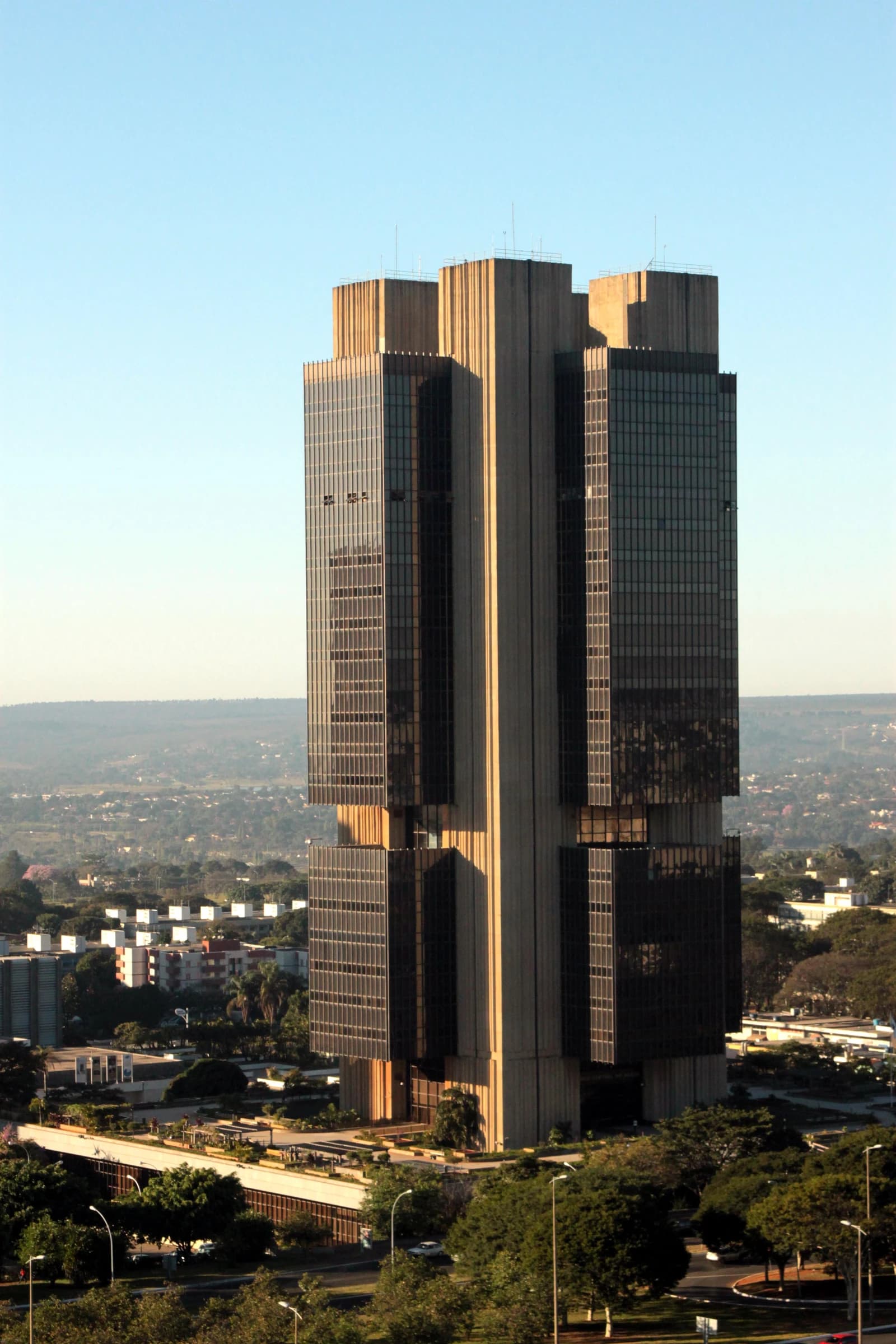
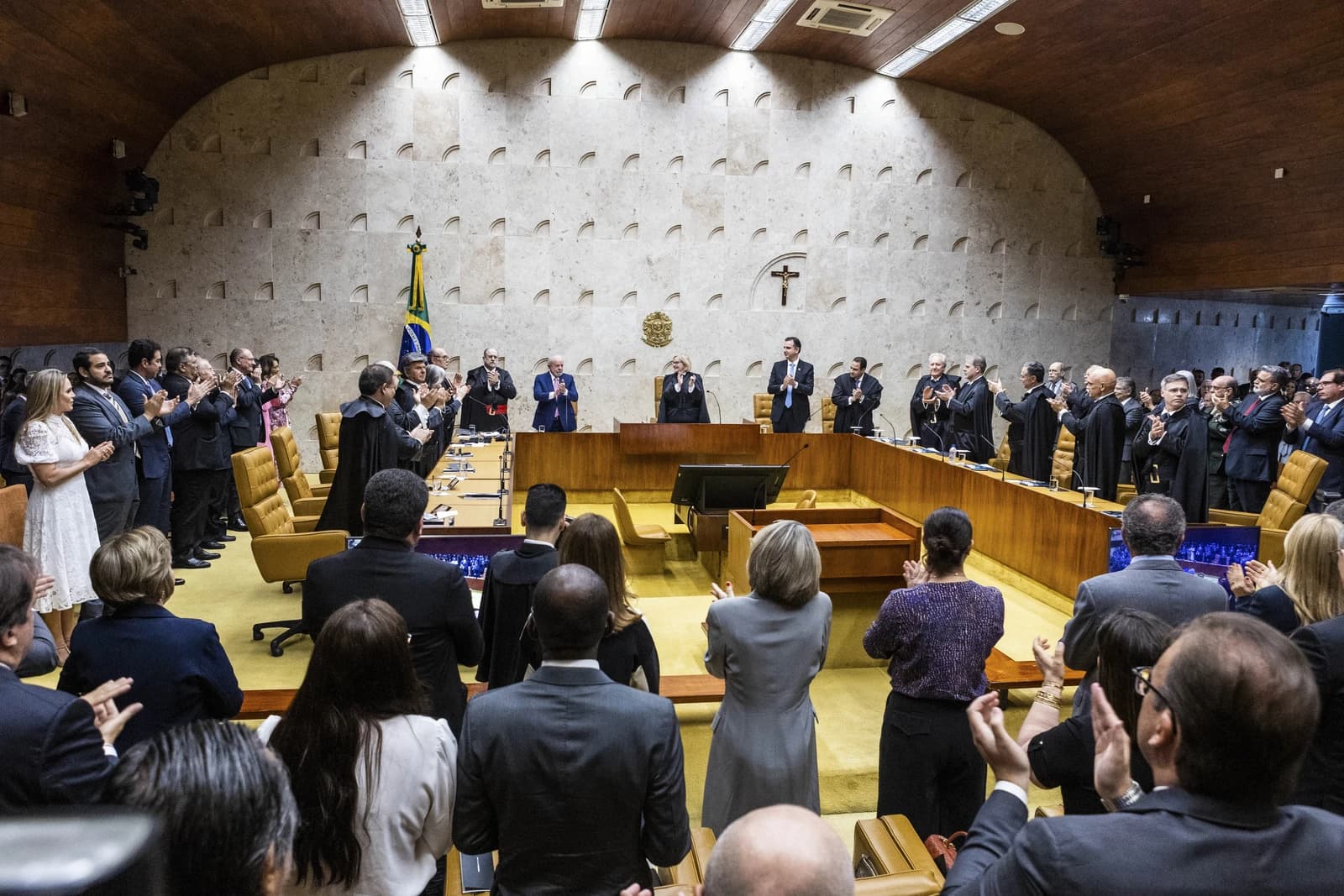
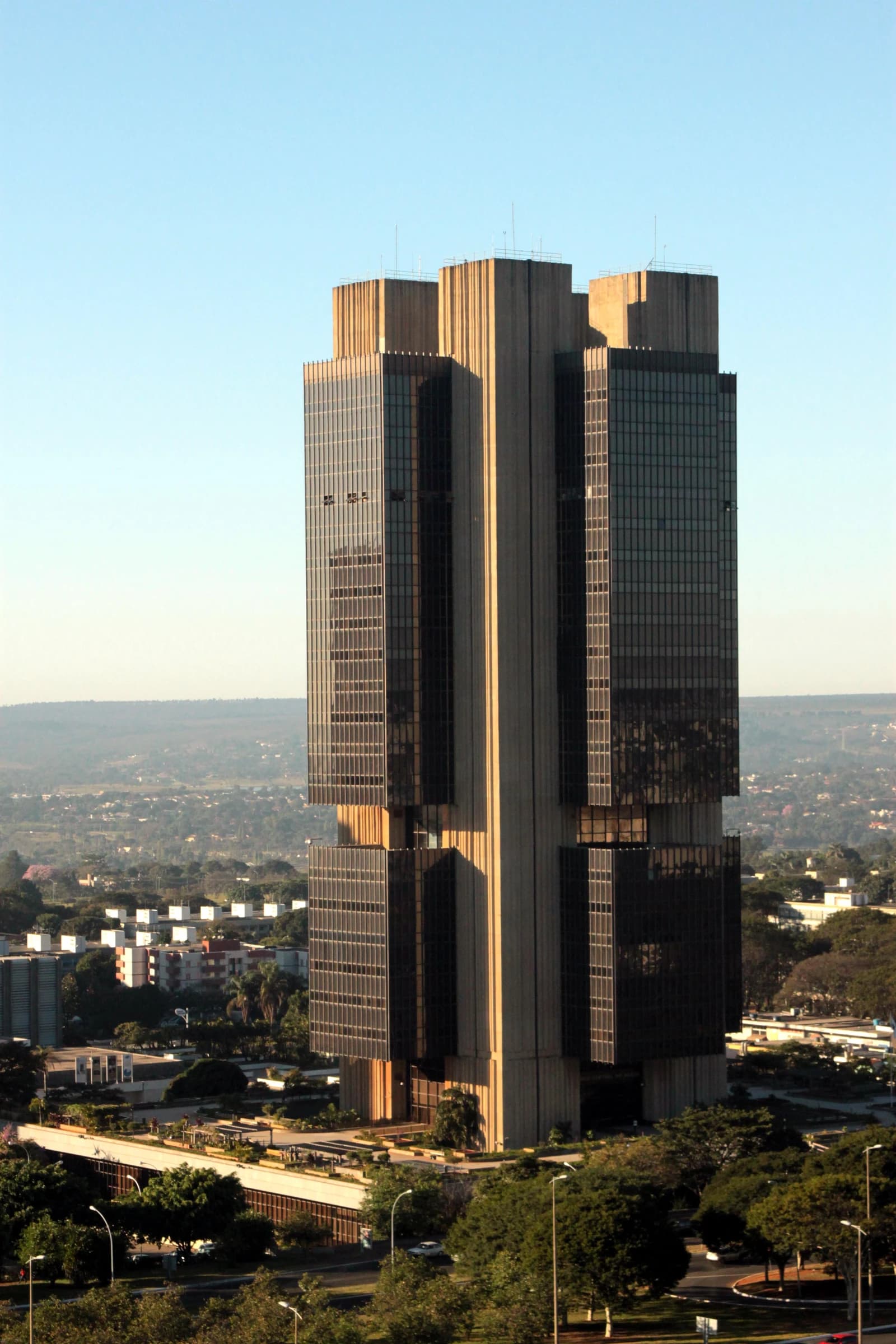
Brazil’s government has pushed back against Donald Trump’s accusation that it is failing to confront organized crime, turning a law-and-order jab into a sovereignty test with potential trade and market consequences.
Brazil Rejects Trump Crime Criticism
The Brazilian Justice Ministry said it “refutes any allegations” of failures or omissions in tackling transnational organized crime, after Trump singled out the PCC and Comando Vermelho and urged Brasília to take aggressive action before the groups spread further. The exchange matters because it is not just about crime statistics or rhetoric: it opens a new front in Brazil-U.S. relations at a time when investors are already braced for higher geopolitical noise, and when Washington has shown it is willing to mix security concerns with economic pressure.
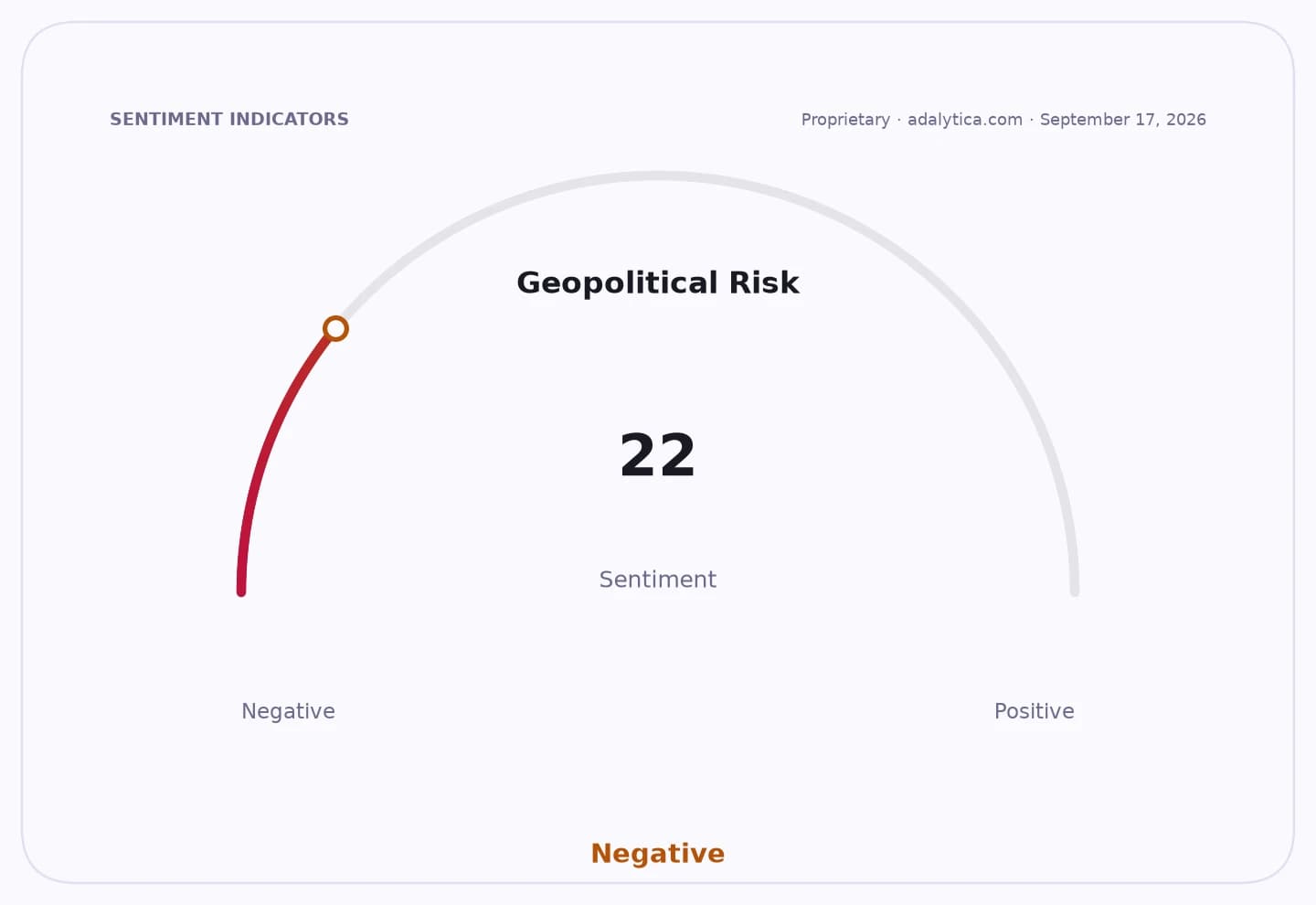
Sentiment IndicatorsⓘProprietary · adalytica.com · September 17, 2026
This is a snapshot — live sentiment, awareness and momentum for 130+ markets update continuously in the dashboard.Open AlphaPulse
For markets, the immediate relevance is less about a direct earnings hit than about risk premium. Brazil is a large emerging-market exposure for global investors through the iShares MSCI Brazil ETF and through exporters, banks and consumer companies tied to domestic confidence. The ETF, EWZ, has been trading near 37.72, above both its 50-day moving average of 35.99 and its 200-day moving average of 35.86, but its momentum has cooled from earlier highs, with the RSI at 65.6 and the price sitting below the recent Bollinger Band upper range. That tells you investors are still constructive, but not complacent, and any escalation in U.S.-Brazil friction can quickly feed into currency, capital-flow and valuation assumptions.
The bigger story is that organized crime has become a macro issue, not just a policing issue. When a U.S. president publicly frames Brazil’s criminal networks as a cross-border threat, it raises the odds of tougher scrutiny on money laundering, port security, trafficking routes and bilateral cooperation. That can affect Brazilian logistics, financial intermediaries and any company with exposure to compliance-sensitive flows. It also gives Washington a political justification for broader pressure later if it wants to widen the dispute beyond security into tariffs, sanctions or access issues.
There is also a market read-through in the Brazilian corporate complex. Petrobras, often treated as a proxy for Brazil risk, was changing hands at 20.85, well above its 50-day moving average of 18.59 and 200-day moving average of 16.84, but with its RSI at 70.4, a level that suggests strong buying has already run far. BRF, another domestic-sensitive name, was at 16.18, still below its 200-day average of 17.29. In other words, investors are already discriminating between winners with momentum and laggards still burdened by slower growth or lower confidence. A geopolitical scare does not have to break the thesis to change the rotation.
Adalytica’s Global Stability Sentiment gauge sits in Fear at 22, down 7 points over the past week, while the U.S. dollar signal is flashing Extreme Greed at 95. That combination matters because it argues for a stronger dollar, tighter financial conditions and less room for emerging-market assets to absorb political shocks. Brazil does not need a full-blown crisis for investors to mark up the discount rate; it only needs a reminder that security issues can spill into diplomacy and capital allocation.
Our thesis is that the market underestimates how quickly a crime-and-sovereignty dispute can become an investable Brazil risk factor. The near-term winners are likely to be defensive exporters, dollar earners and any business insulated from domestic policy noise. The losers are the names most dependent on local risk appetite, policy stability and foreign inflows. If this dispute widens, investors should expect more volatility in EWZ and a harsher lens on Brazilian assets that have been trading as if political friction will stay contained.
The actionable takeaway is simple: treat this as an emerging macro catalyst, not a one-day headline. Stay selective on Brazil, favor hard-currency and export-linked exposure, and do not assume the security debate will stay separated from the broader investment case.
| Entity | Gains | Losses |
|---|---|---|
| Brazilian exporters | ▲Dollar revenues | ▼Domestic risk-off |
| Petrobras | ▲Momentum support | ▼Geopolitical discount |
| EWZ holders | ▲Brazil exposure | ▼Volatility spike |
| Domestic banks/consumer stocks | ▲Stable policy climate | ▼Capital inflow caution |