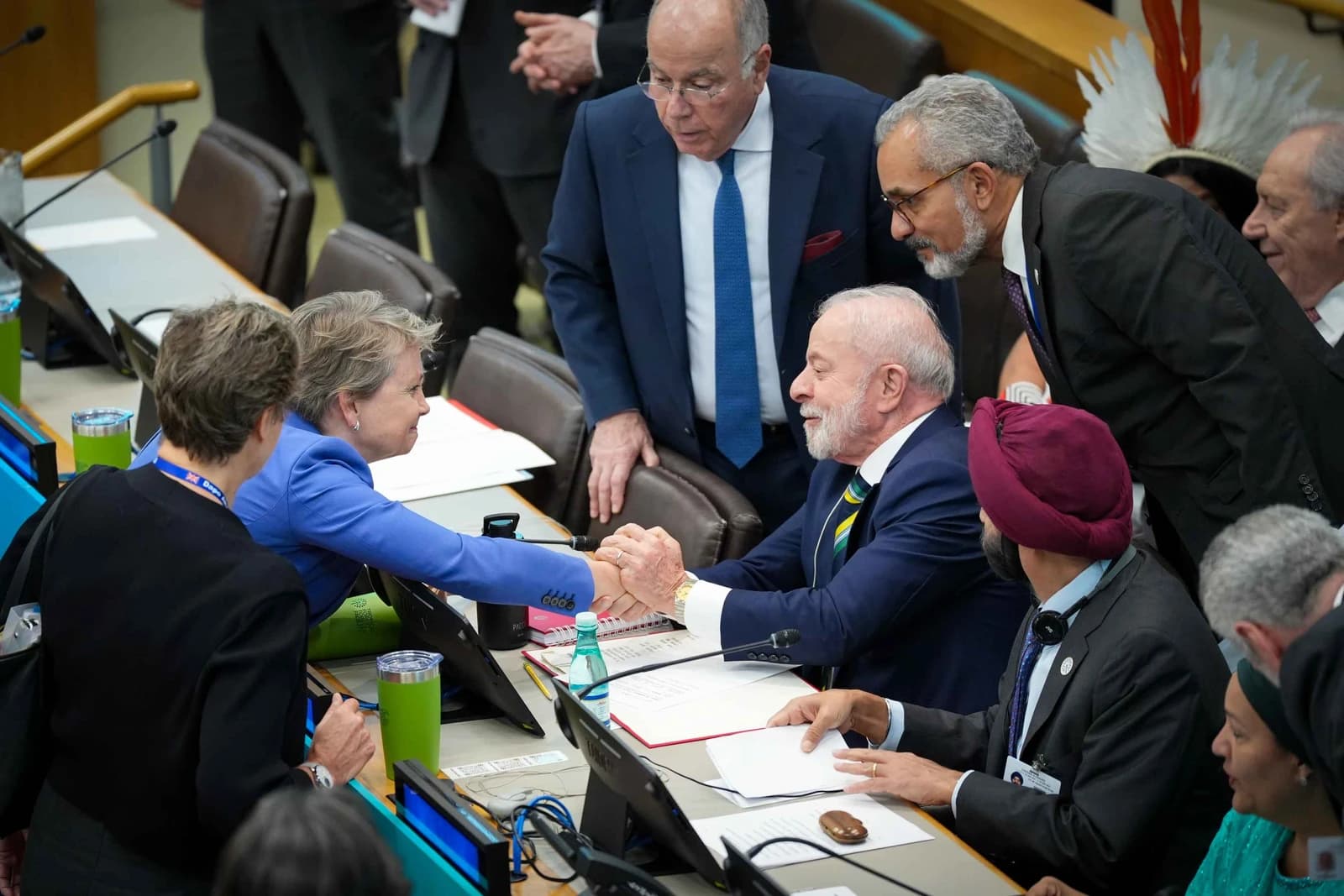
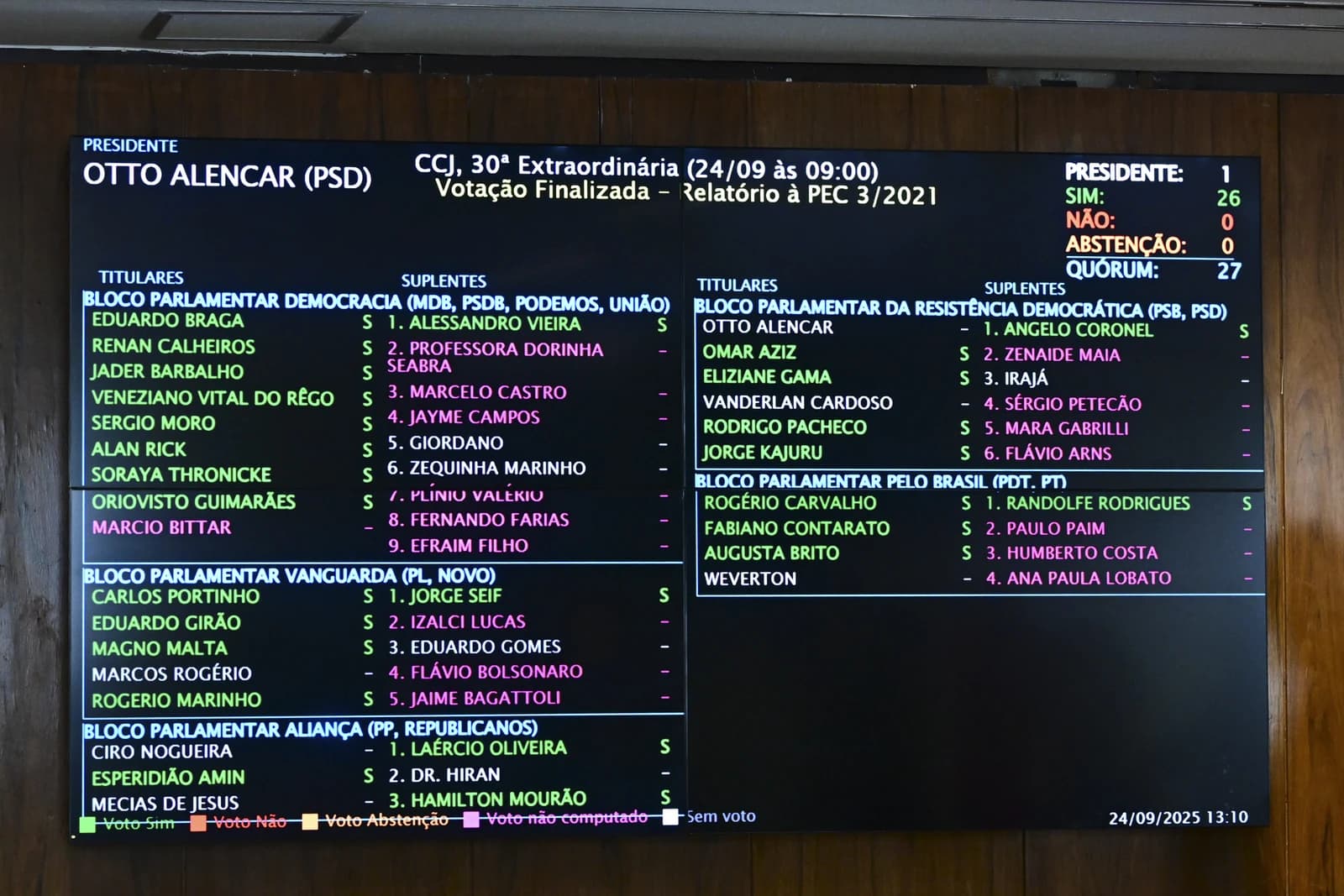
Brazil’s Senate justice committee has moved President Luiz Inácio Lula da Silva’s security overhaul one step closer to law, approving the proposal after a fast-track vote and sending it to the full Senate, where the government wants passage before the election season intensifies.
Brazil Senate Advances Lula Security Overhaul
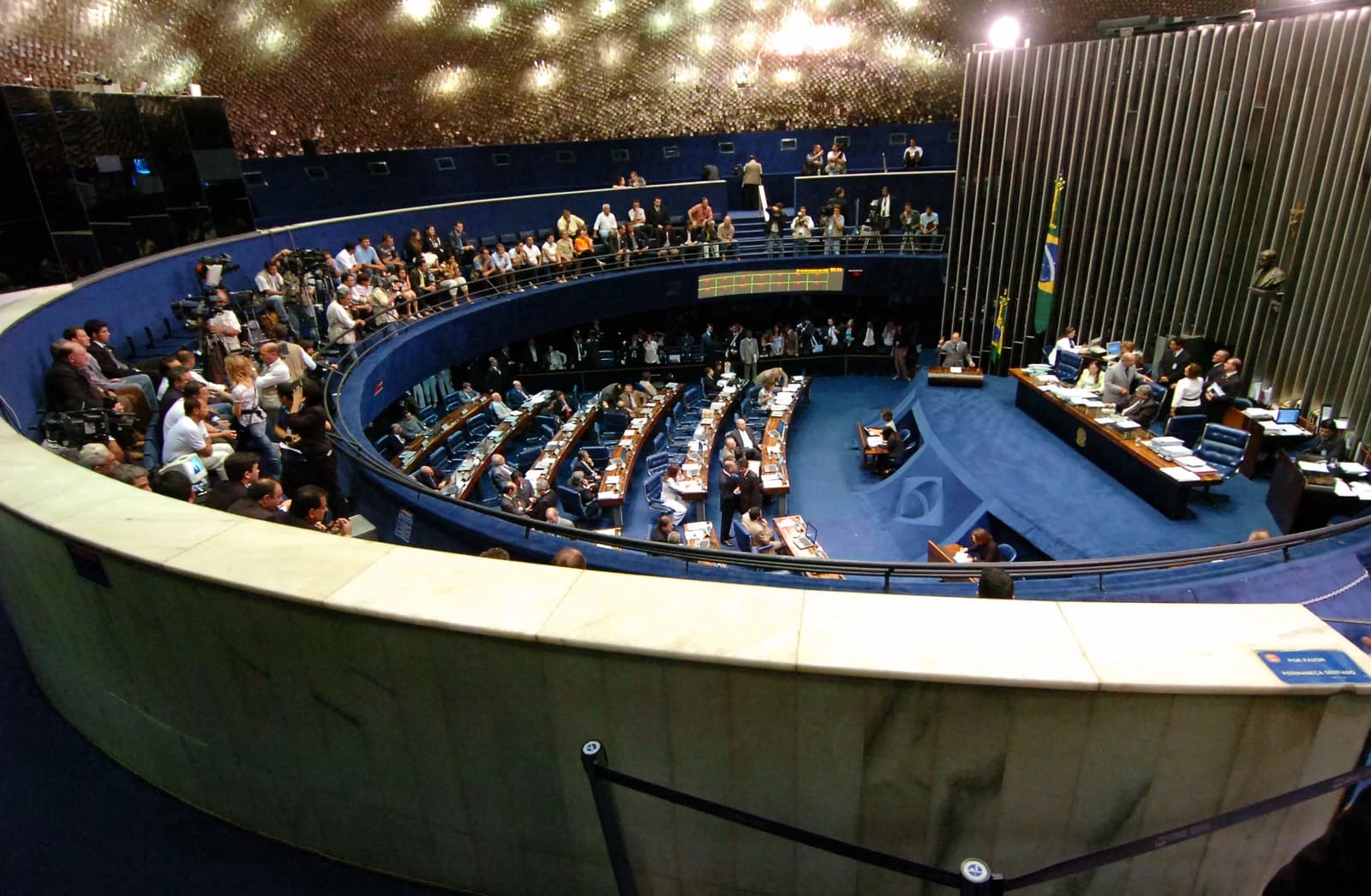
The constitutional amendment is politically significant because it would give Brasília a stronger legal basis to coordinate policing across Brazil’s states, harden penalties for organized crime and expand the federal government’s role in public security — an area that remains one of the biggest voter concerns in Latin America’s largest economy.

The committee kept the version already approved by the lower house, a choice that reduces the risk of delays and raises the odds that the Senate can finish the process without forcing the text back to deputies. To pass, the proposal still needs approval in two Senate rounds with at least 49 votes, or three-fifths of lawmakers.
For investors, the issue matters because security is now a major political variable in Brazil’s outlook. A tougher federal framework could affect public spending, law-enforcement procurement and the broader investment climate if it improves perceptions of rule of law in a country still battling powerful criminal factions and militia groups.

The amendment would constitutionalize the Unified Public Security System, or SUSP, making cooperation between the federal government, states and the Federal District more permanent. It would also allow intergovernmental task forces, widen the scope for municipal police forces and expand the Federal Highway Police’s reach beyond roads to waterways and railways.
The proposal also tightens penalties for criminal organizations, paramilitary groups and private militias by restricting sentence reductions, provisional release and temporary leave in some cases, while allowing asset seizure tied to illicit activity. Lula’s government sees the reform as a platform for a future public security ministry, underscoring how central the issue has become to its agenda.
Market reaction was limited in the immediate term, but Brazil-focused assets remain sensitive to signs that the administration can deliver on security and governance. EWZ, the iShares MSCI Brazil ETF, has risen sharply in recent sessions and closed at $42.60 on Oct. 14, well above its 50-day and 200-day moving averages, though its recent rally leaves it technically stretched with a 77.2 RSI reading.
The next test is the Senate floor, where lawmakers will decide whether to preserve the lower house text and send the amendment straight to promulgation. Any slowdown would keep security reform in the political spotlight as Lula tries to show progress on public order before the 2026 election cycle gathers force.
| Entity | Gains | Losses |
|---|---|---|
| Lula government | ▲Stronger security agenda | ▼If Senate delays the vote |
| Federal government | ▲More coordination power | ▼States guarding autonomy |
| Public security forces | ▲Broader cooperation tools | ▼Criminal groups and militias |
| EWZ/Brazil bulls | ▲Governance reform narrative | ▼Investors if legislation stalls |