Brazil’s Finance Ministry is signaling a pause in social spending as it tries to win room for the central bank to cut the Selic, a shift that puts fiscal discipline at the center of the country’s next policy fight and could shape the path of rates, the real and domestic assets.
Brazil Finance Ministry Pauses Social Spending
The message matters because Brazil’s interest-rate problem is not just one of inflation, but of credibility. With the benchmark Selic still at restrictive levels, officials are effectively betting that tighter control over public outlays can help ease inflation expectations, lower term premia and create conditions for monetary easing. If investors believe the government will slow spending growth, financing costs across the economy can fall; if they do not, the country risks keeping borrowing costs high for longer.
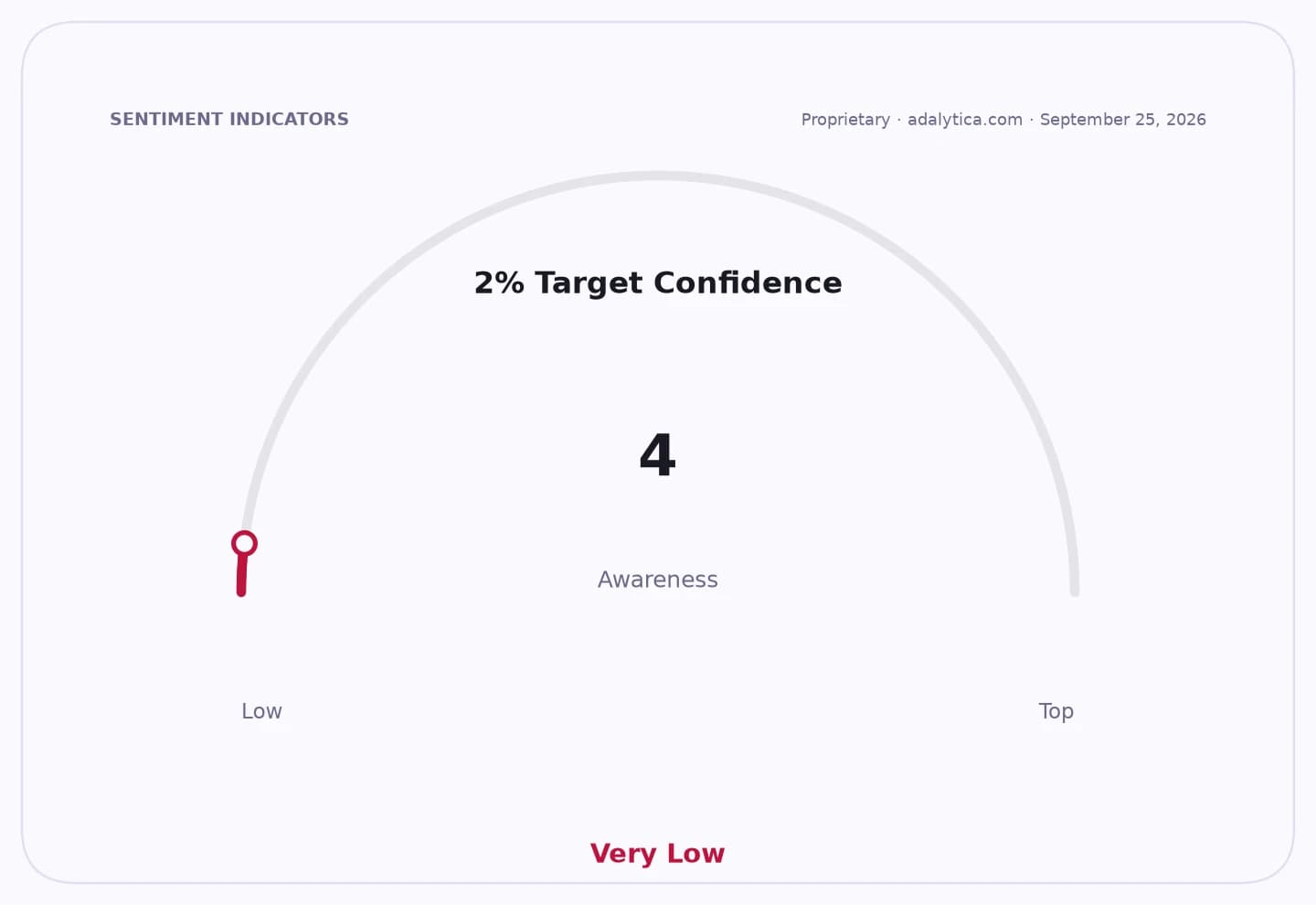
Sentiment IndicatorsⓘProprietary · adalytica.com · August 31, 2026
This is a snapshot — live sentiment, awareness and momentum for 130+ markets update continuously in the dashboard.Open AlphaPulse
That is the crucial trade-off for an economy already carrying heavy rate sensitivity. Brazil’s policy rate has remained well above the U.S. Fed funds rate, underscoring the domestic risk premium still embedded in local assets. The 10-year U.S. Treasury yield at about 4.7% also leaves little room for complacency in global fixed income, while Brazil’s own market has been sending a mixed but generally cautious signal. The real has steadied around 5.19 to the dollar, close to its 50-day moving average and just below its 200-day average, suggesting the currency has not broken out of its recent range even as traders continue to handicap easier policy ahead.
Brazilian equities have held up better than the currency. The EWZ ETF rose to 36.03 on Monday, with its relative strength reading elevated and the price above both its 50-day and 200-day moving averages, a sign that some investors are positioning for a friendlier rate backdrop. But the rally has not been broad enough to erase the market’s underlying caution. EPU, the Brazil-focused ETF, has also recovered, yet it remains far below earlier peaks, reflecting how much of the market’s optimism is still conditional on actual policy delivery rather than political rhetoric.
The fiscal message also lands against a fragile consumer backdrop. Adalytica’s consumer confidence recession gauge showed extreme fear, while the consumer spending gauge pointed to strong spending intent, a split that suggests households remain willing to spend but are increasingly uneasy about the outlook. That combination is exactly why a credible fiscal pause could matter: it may prevent softer confidence from turning into a sharper slowdown, while giving the central bank more room to consider cuts without stoking renewed inflation pressure.
For investors, the key question is whether this is a durable policy pivot or another short-lived attempt to manage expectations. A genuine slowdown in social spending would support Brazilian bonds, the real and rate-sensitive equities such as banks, utilities and domestic retailers. But if the government later reverses course, markets are likely to punish Brazil through a weaker currency, higher sovereign risk premia and a slower easing cycle from the central bank.
The narrative now is straightforward: Brazil is trying to buy lower interest rates with tighter fiscal restraint. Whether that works will depend less on the announcement itself than on whether investors believe Brasília is prepared to keep spending in check long enough for the Selic to come down.
| Entity | Gains | Losses |
|---|---|---|
| Brazilian government | ▲Lower financing costs | ▼Fiscal flexibility |
| Selic-sensitive equities | ▲Easier discount rates | ▼Prolonged tight money |
| Brazilian real | ▲Better credibility | ▼Spending reversals |
| Consumer sectors | ▲Lower borrowing costs | ▼Slower demand if austerity deepens |