Lula is using Brazil’s sovereignty debate to turn the country’s election into a broader fight over strategic assets, digital power and foreign influence — a message with real market implications for miners, technology investors and Brazil-linked assets.
Brazil Sovereignty Debate Hits Miners, AI, and EWZ

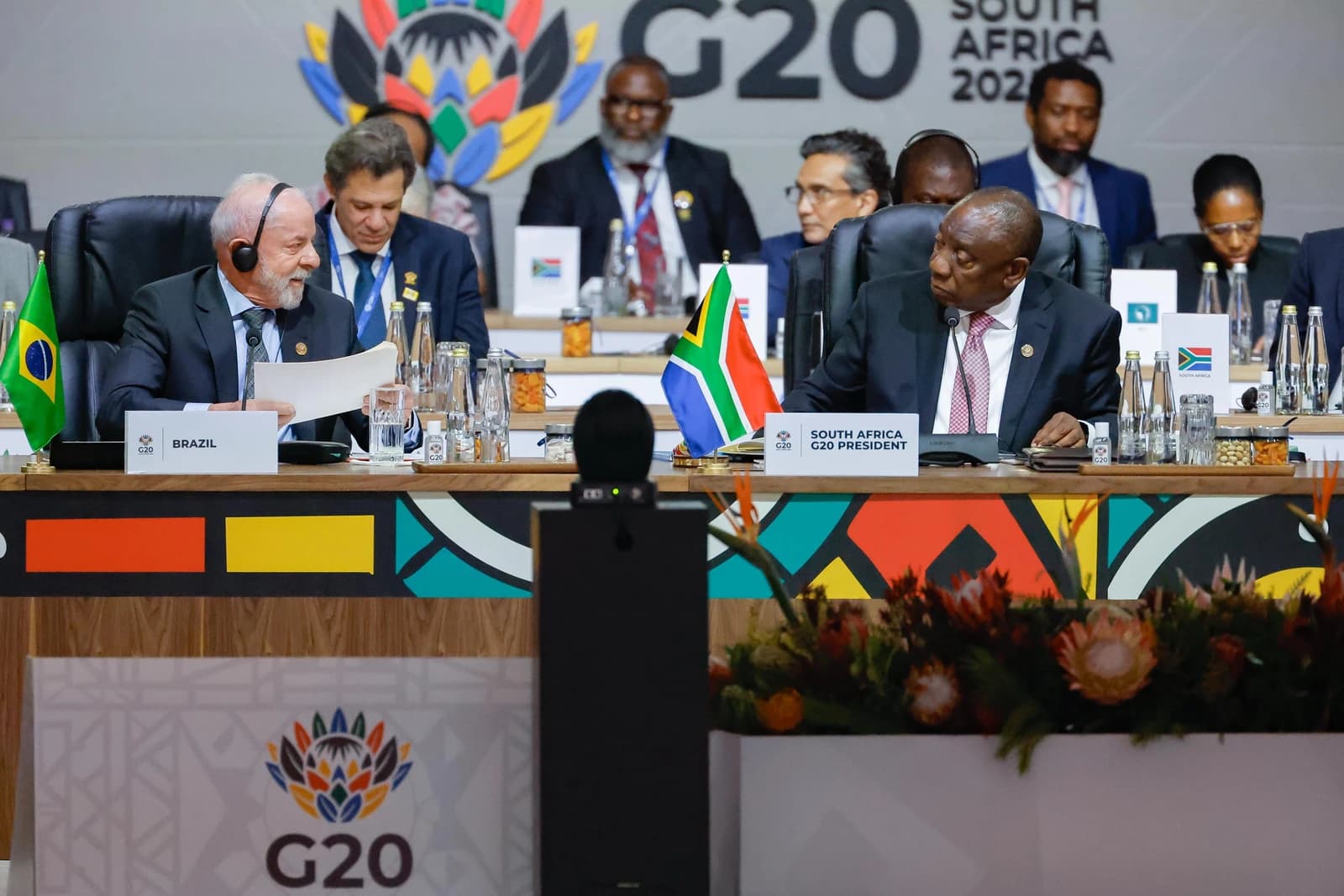
Speaking in Rio de Janeiro to a group of artists and cultural figures, the Brazilian president said the country must control its own resources, develop its own artificial intelligence and resist outside interference in domestic security, framing the battle against disinformation and “new obscurantism” as central to democracy. The pitch comes days before Brazil’s first-round vote and as Lula holds a narrow lead over rival Flávio Bolsonaro.
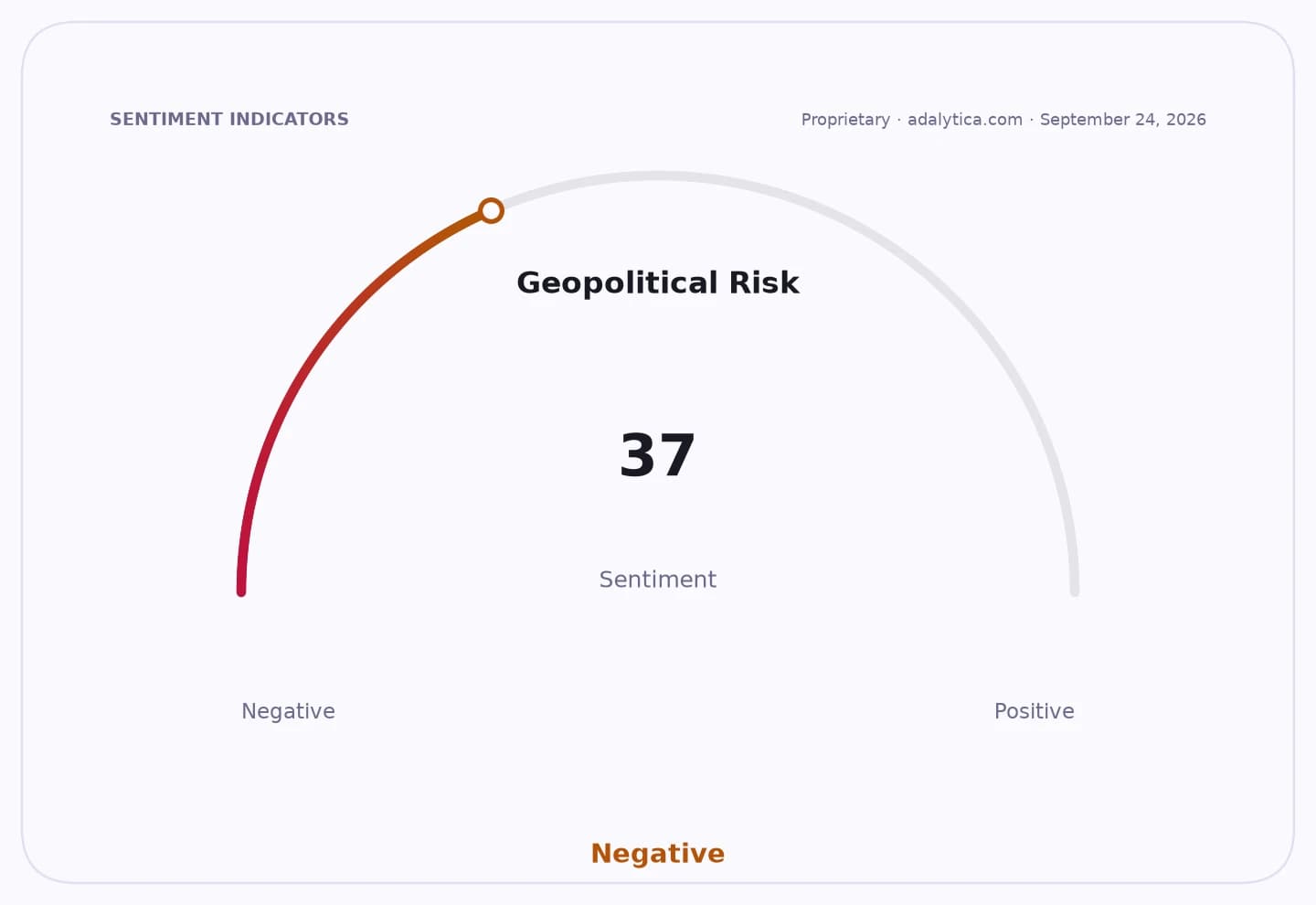
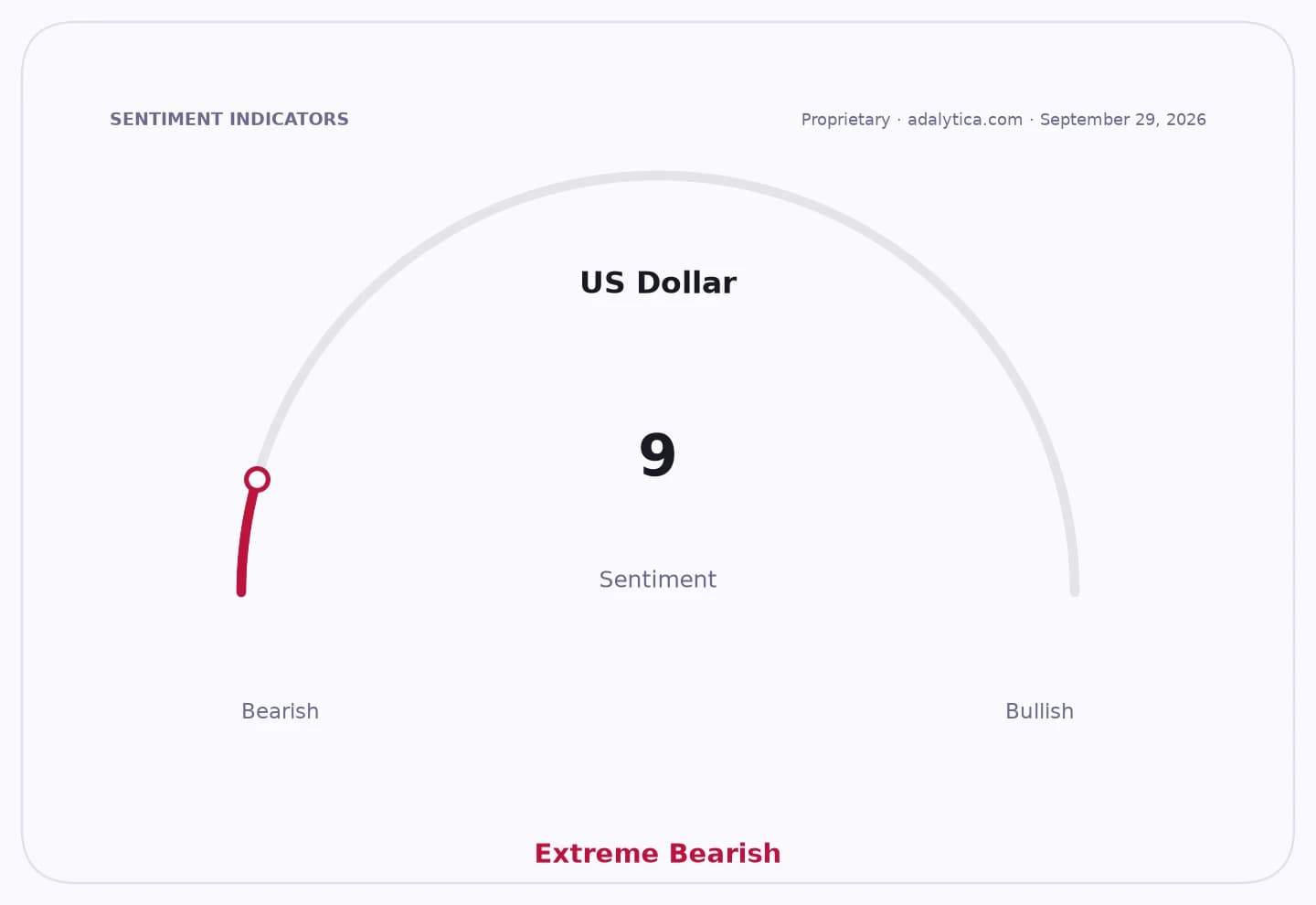
Sentiment IndicatorsⓘProprietary · adalytica.com · September 29, 2026
This is a snapshot — live sentiment, awareness and momentum for 130+ markets update continuously in the dashboard.Open AlphaPulse

For investors, the significance is not the rhetoric alone. Lula is signaling that Brazil’s next phase is likely to be defined by state-backed strategic industrial policy, especially around critical minerals, rare earths and AI infrastructure. That matters because Brazil is trying to move beyond being a commodity exporter and capture more of the value chain at home. If that agenda gains traction, it could reshape capital allocation in mining, processing, power and digital infrastructure.
The president specifically argued Brazil should not simply ship out minerals and rare earths, but build the industries needed to process them. That is a direct nod to one of the most investable themes in global markets: the scramble for supply chains tied to electrification, semiconductors and defense technologies. Any policy push to retain more value domestically could benefit local processors, industrial equipment suppliers and power generators, while tightening the strategic logic for global firms seeking non-China supply.
Lula also tied sovereignty to artificial intelligence, saying Brazil should develop AI suited to its own language and needs rather than rely entirely on U.S. or Chinese models. That is a political statement, but also an economic one. It points to demand for cloud capacity, data centers, fiber networks and energy supply — the unglamorous backbone of the AI buildout that markets continue to underprice. Brazil may not be an AI leader on the scale of the United States or China, but it can still become a meaningful regional market for compute and infrastructure.
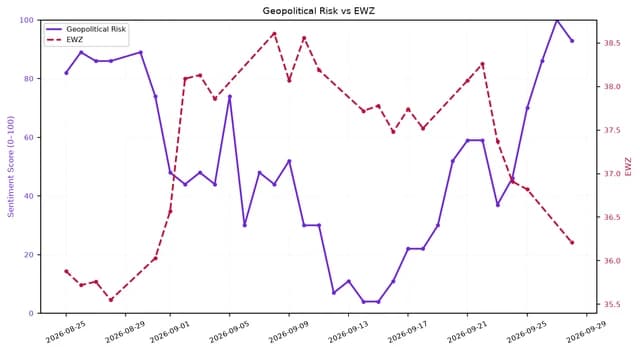
Markets have already started to reflect the political tension. EWZ, the iShares MSCI Brazil ETF, has been volatile after a strong run, and recent technical readings show the fund has pulled back toward its 50-day and 200-day moving averages after becoming overbought earlier this month. That kind of consolidation suggests investors are waiting for clearer policy signals before committing fresh capital, especially as the election narrative shifts toward sovereignty, security and industrial policy rather than market-friendly reform.
The broader backdrop is also important. Trump administration criticism of Brazil over organized crime has sharpened the sovereignty message from Brasília, giving Lula a domestic political opening to present himself as the defender of national autonomy. That may play well with voters, but it also raises the odds of friction with Washington if the security dispute deepens. At the same time, a tougher stance on strategic resources could attract interest from investors looking for countries willing to onshore supply chains and protect critical assets.
Our view is that the market underestimates how much this election is about Brazil’s place in the next industrial cycle. The real opportunity is not simply in Brazil as a cyclical trade, but in the companies and funds exposed to its long-term push to control minerals, build digital infrastructure and reduce dependence on foreign technology. If Lula’s sovereignty platform strengthens after the vote, the next move could be less about headlines and more about capital flowing into Brazil’s strategic backbone.
| Entity | Gains | Losses |
|---|---|---|
| Lula / Brazil government | ▲Political support, policy mandate | ▼Market patience for intervention |
| Brazilian miners / processors | ▲Strategic investment, local value-add push | ▼Raw-export model |
| AI / cloud infrastructure firms | ▲Demand for local compute and data centers | ▼Foreign-only model dependence |
| EWZ / Brazil bulls | ▲Sovereignty-driven industrial thesis | ▼Near-term volatility, policy risk |