Brazil’s pushback against Donald Trump’s pressure campaign is becoming an investable story, not just a diplomatic one. When President Luiz Inácio Lula da Silva told the U.N. General Assembly that “Brazil is not a backyard” and was loudly applauded, he was drawing a hard line on sovereignty at a moment when Washington is leaning on Brasília over tariffs, trade and even internal security.
Brazil Pushback Against Trump Raises Asset Risk
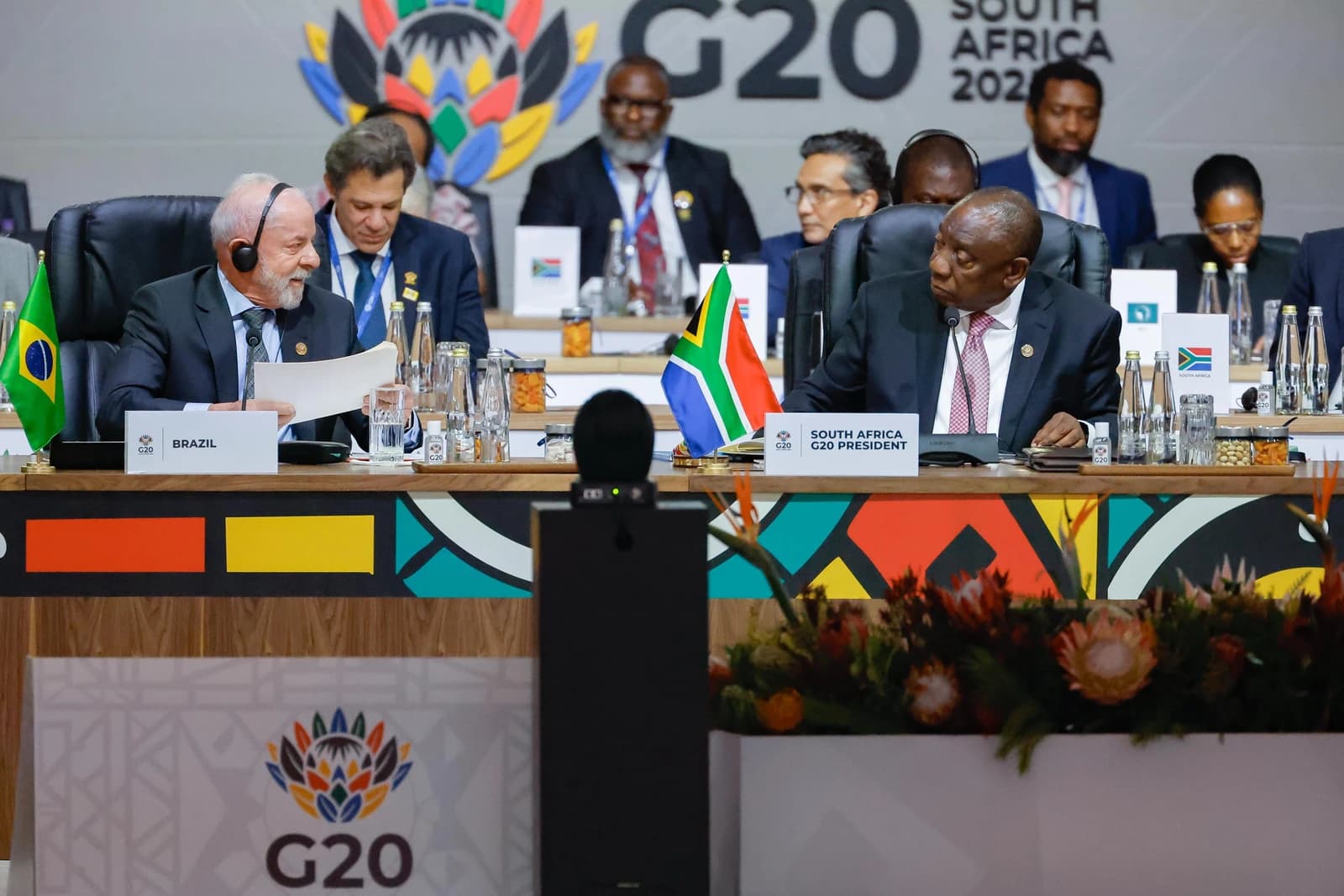
That matters because the dispute is no longer confined to rhetoric. Lula said Brazil will not accept outside interference in its elections or policy choices, and he blasted tariffs as “weapons of coercion and blackmail.” The Trump administration, meanwhile, has been publicly criticizing Brazil for its handling of criminal factions and has raised the possibility of a tougher U.S. posture. For investors, that combination raises the risk of more trade friction, wider swings in the real and a longer period of political noise around Brazilian assets.
Sentiment IndicatorsⓘProprietary · adalytica.com · September 27, 2026
This is a snapshot — live sentiment, awareness and momentum for 130+ markets update continuously in the dashboard.Open AlphaPulse
At the same time, Lula’s message was also a defense of Brazil’s economic resilience. He pointed to record exports even amid tariff pressure, an important signal for a country whose growth story still leans heavily on commodities, agriculture and global trade. That helps explain why Brazilian multinationals have been able to keep attracting capital even when politics turns volatile: the economy is not simply a hostage to Washington. The market has reflected that tension. The iShares MSCI Brazil ETF, EWZ, has been chopping lower after a strong run, with the fund trading at $36.82 on Sept. 25, just above its 50-day moving average but well below recent highs. Petrobras, or PBR, has also cooled to $20.37 from a September peak above $21.70, while Vale, the iron ore giant, slipped to $13.61 and remains below both its 50-day and 200-day moving averages.
Those price moves are a reminder that investors are balancing two very different forces. On one side, Brazil’s exporters can benefit from a weaker currency and continued demand for commodities. On the other, a sharper clash with the U.S. could pressure valuations, complicate capital flows and keep risk appetite uneven. Adalytica’s Global Stability Sentiment gauge, which is a proprietary risk indicator, is showing “Extreme Greed” at 86, while its U.S. dollar trade signals have turned neutral, a setup that can magnify swings in emerging-market assets when headlines intensify.
Geopolitical Risk vs EWZadalytica.com
Explore this data interactively — full history, time series and cross-market comparisons.Open AlphaPulse
The bigger narrative is that Lula is trying to reframe Brazil as a sovereign, globally relevant economy rather than a passive target of U.S. pressure. That stance may play well diplomatically and politically at home, but markets will care more about whether the dispute stays symbolic or starts affecting tariffs, security cooperation and investment conditions. For long-term investors, Brazil still offers exposure to energy, mining, agriculture and a large domestic market, but this is a reminder to own it with patience and diversification, not with the expectation of a smooth ride.
| Entity | Gains | Losses |
|---|---|---|
| Brazil government | ▲Political support, sovereignty narrative | ▼Near-term diplomatic calm |
| Trump administration | ▲Hardline domestic message | ▼Influence over Brasília |
| Brazilian exporters | ▲Pride, weaker-currency support | ▼Tariff risk, volatility |
| EWZ / Brazil investors | ▲Long-term value if tensions ease | ▼Short-term headline risk |