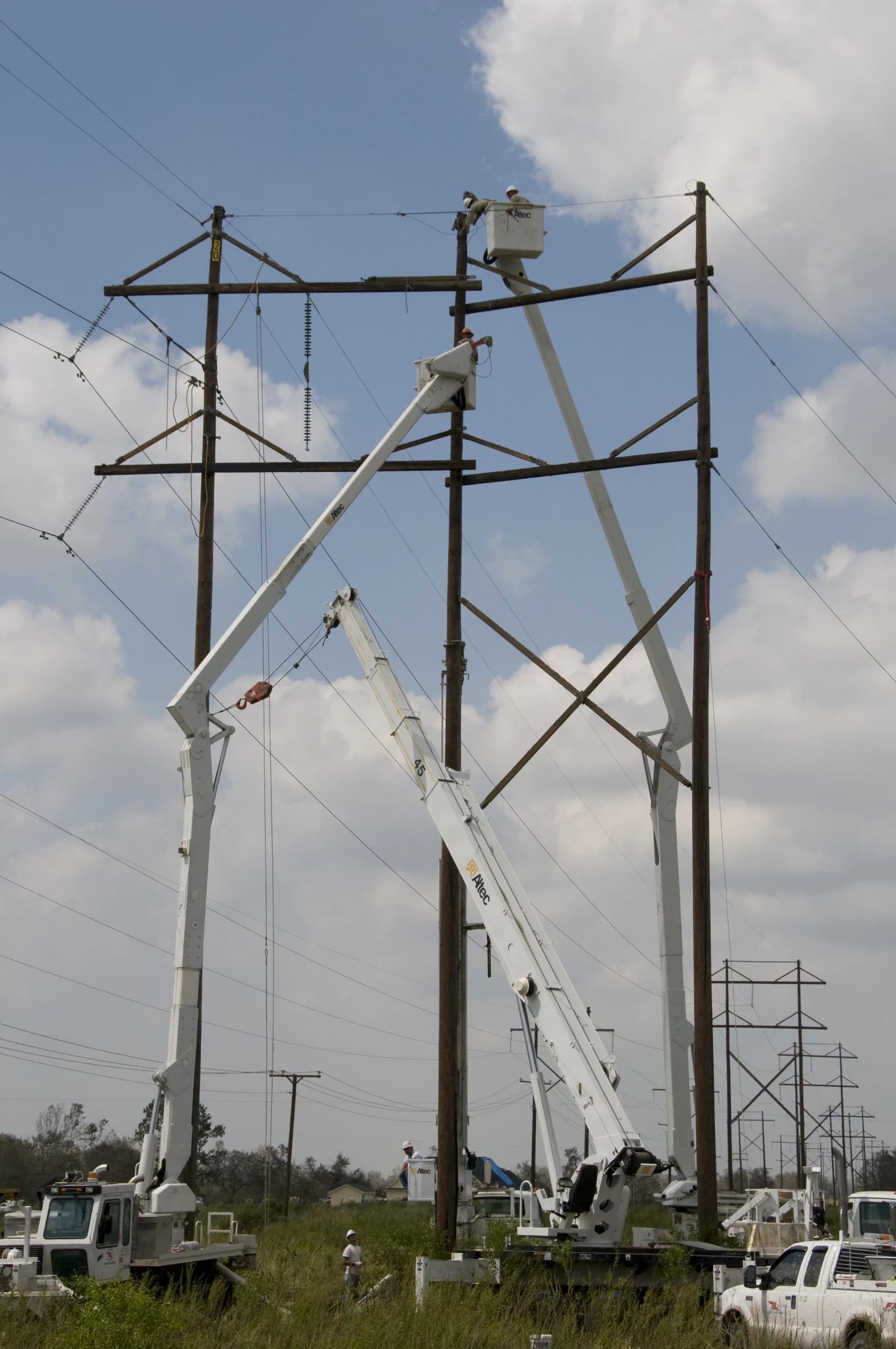
Brazil’s grid of utility poles is becoming a costly infrastructure failure, with around 10 million of the country’s 50 million poles described as being in critical condition, raising safety risks, service disruptions and a regulatory fight over who should fix the mess.
Brazil Utility Poles Need Cleanup and New Operator
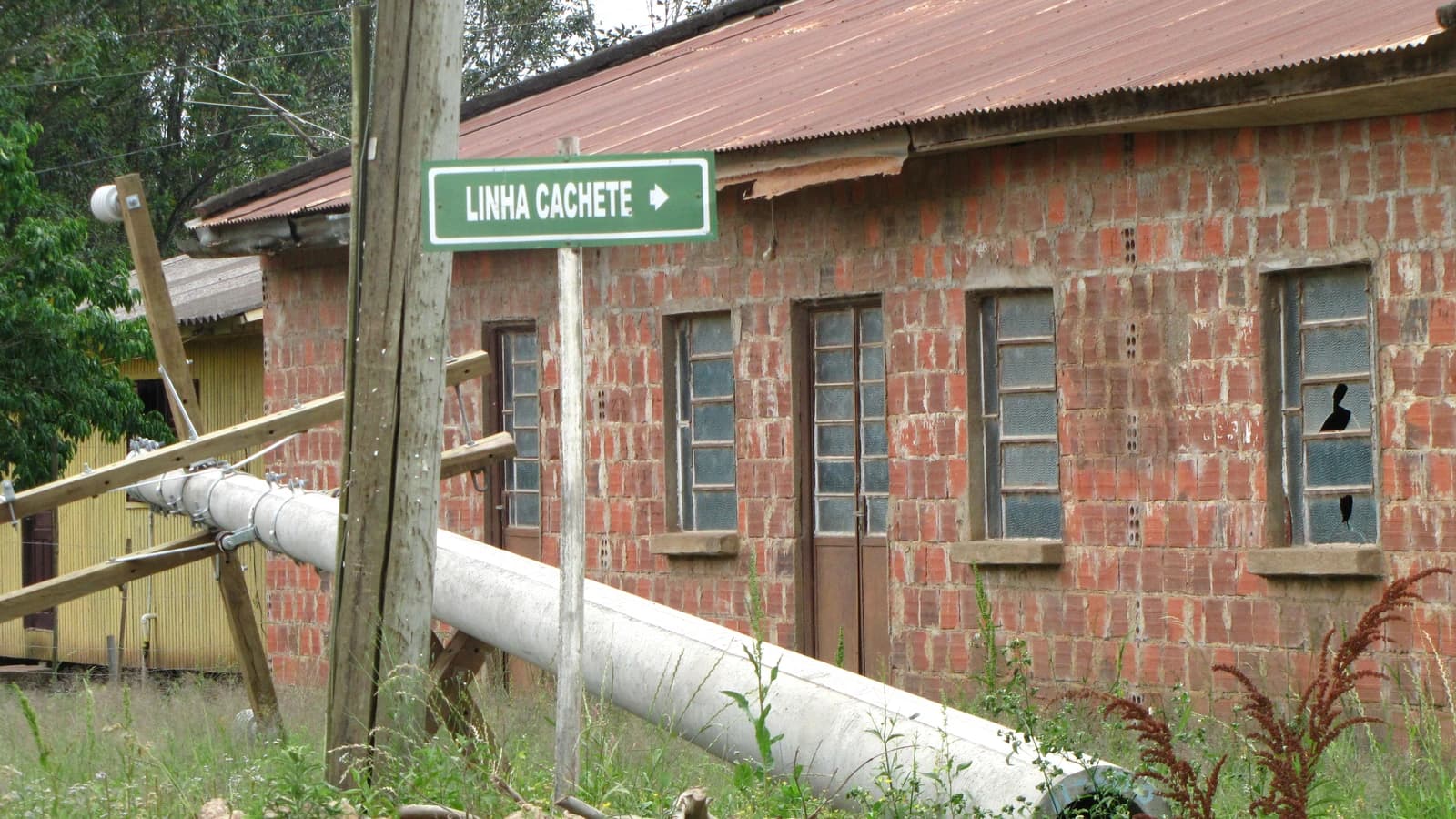
The problem matters economically because the tangled network of telecom and power cables is no longer just an eyesore. Loose wires, illegal connections and overloaded poles raise the risk of outages, accidents and costly remediation, while also making it harder for telecom operators to expand service in a country that depends heavily on aerial infrastructure.
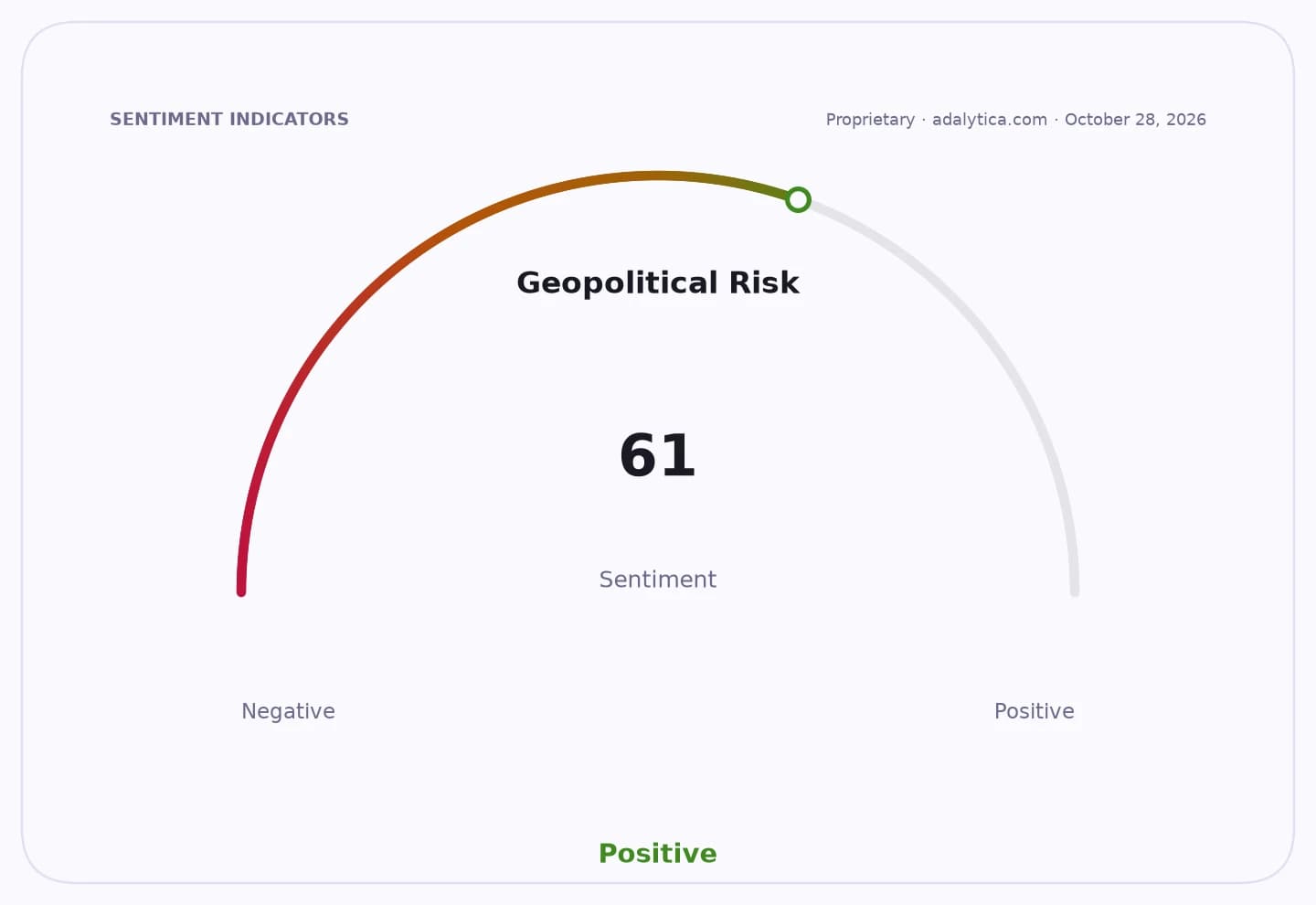
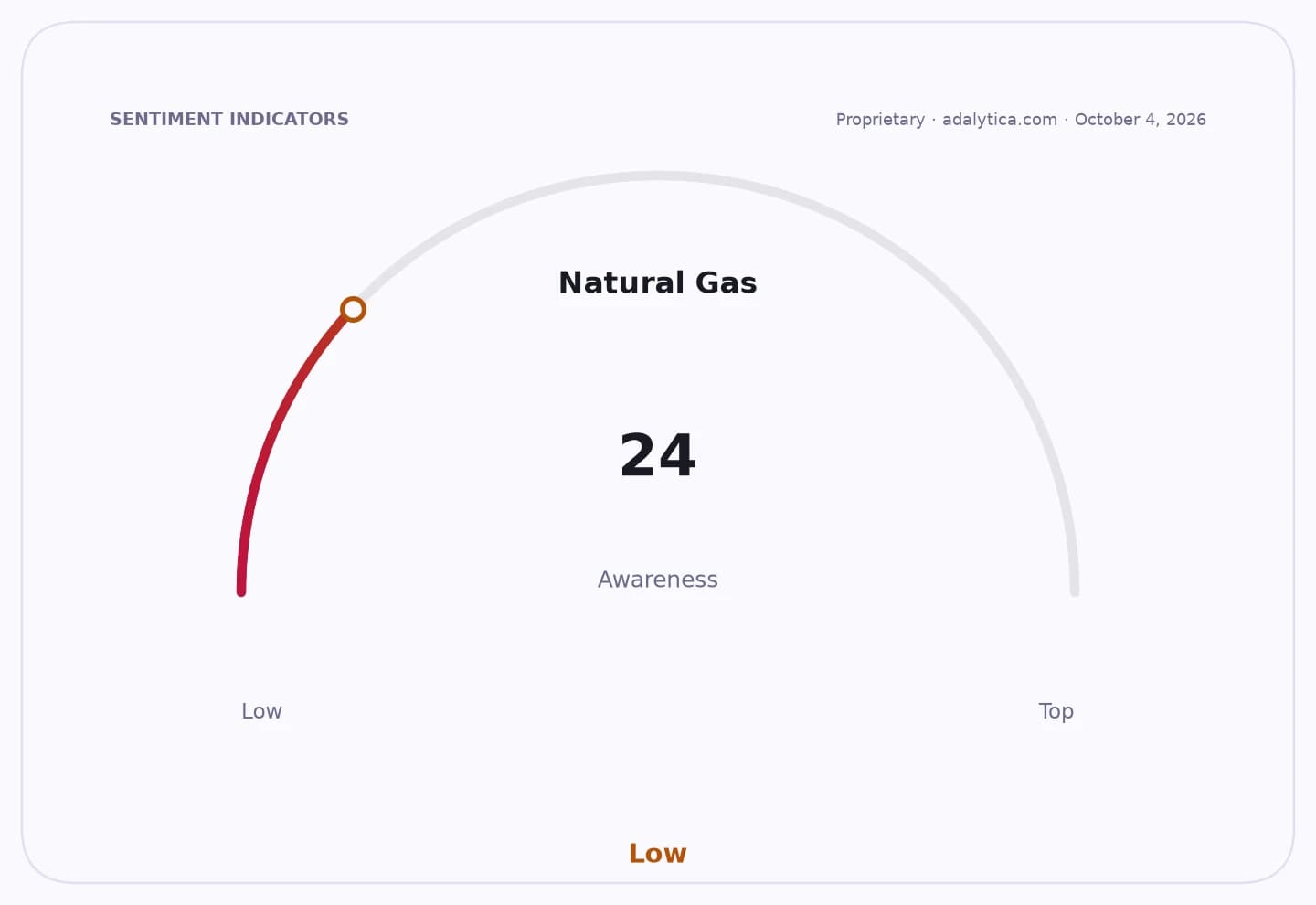
Sentiment Indicators
The issue has been festering for more than three years despite a national policy meant to organize pole management. Under the current setup, electric utilities own the poles and charge telecom companies for access, but enforcement has been weak enough that the system has deteriorated into a patchwork of hanging cables, old lines and makeshift attachments.
Regulators are now pushing for a third-party operator, or “posteiro,” to manage the infrastructure, a move aimed at separating pole administration from both the electricity distributors that own the assets and the telecom firms that use them. The country’s telecom regulator, Anatel, says a neutral operator is needed to avoid competition concerns if a company tied to telecoms controls access to a key piece of infrastructure.
The electricity regulator, Aneel, is more open to a subsidiary of a distribution company handling the service, underscoring the institutional split that has slowed progress. Even with a new model, officials say only 2% to 3% of problematic poles would be regularized each year, suggesting cleanup will take years rather than months.
For investors, the stakes run through Brazilian utilities, telecom operators and infrastructure contractors. Better pole governance could eventually lower operational risk, reduce compliance friction and support network upgrades, but it may also create new costs, dispute exposure and execution risk before any benefits show up.
The broader market implication is that Brazil’s infrastructure bottlenecks remain a drag on productivity and service quality at a time when the country is trying to attract capital into energy, telecoms and digital connectivity. The longer the impasse lasts, the more likely it is that regulators face pressure to impose a solution that redistributes costs across the sector.
| Entity | Gains | Losses |
|---|---|---|
| Telecom operators | ▲Clearer access rules | ▼Higher remediation costs |
| Power distributors | ▲Potential fee income | ▼Greater regulatory pressure |
| Consumers | ▲Safer, cleaner networks | ▼Delayed fixes |
| Infrastructure contractors | ▲New maintenance demand | ▼Uncertain rollout timing |