Telefónica chairman Marc Murtra has moved most of the group’s top management and board to Brazil for a special meeting aimed at reviewing the Spanish telecom’s strategy just as the country faces a politically sensitive election that could shape regulation, spectrum policy and network investment.
Telefónica Reviews Strategy in Brazil Before Election
The trip underscores how central Brazil has become to Telefónica’s earnings and how exposed the operator is to policy shifts in one of its two core markets. Brazil generated 31.7% of group revenue and 38% of operating profit in the latest figures cited by the company, with revenue up 7.5% and EBITDA rising 10%, far outpacing Spain, where sales grew more modestly.
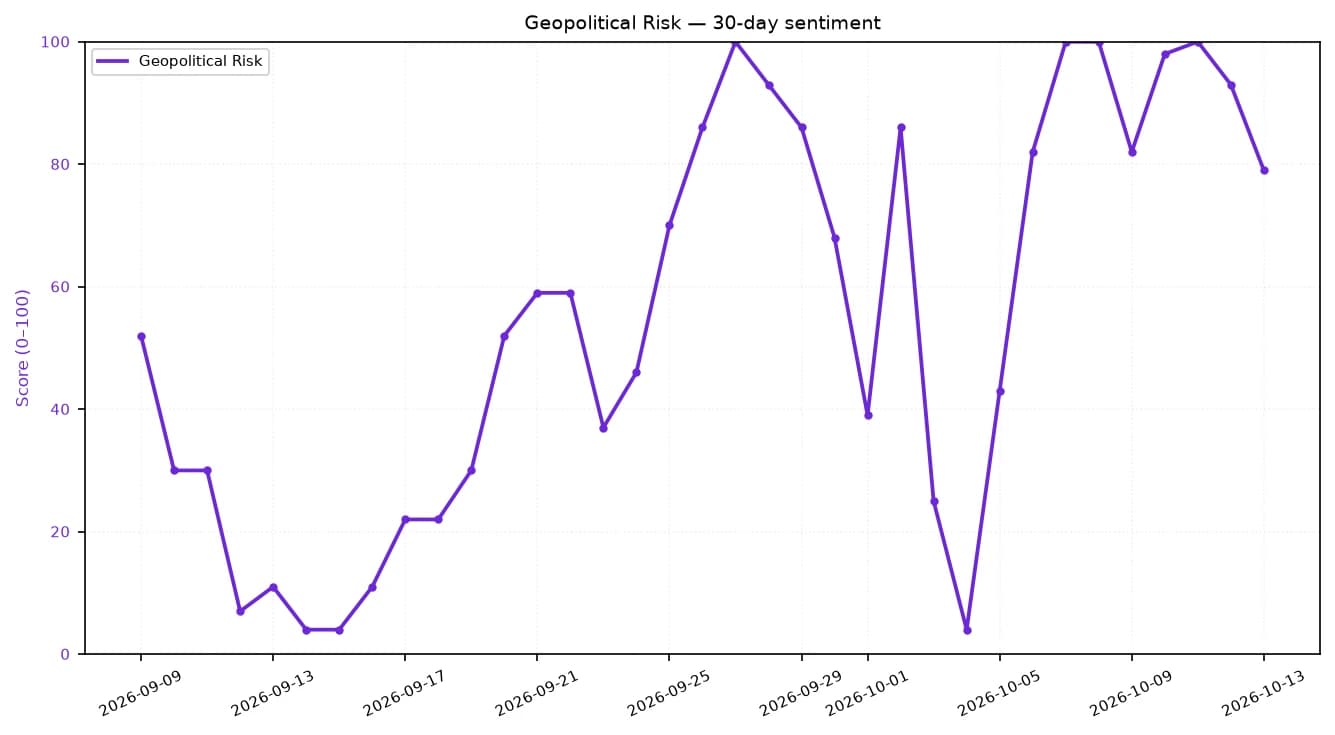
Sentiment Indicators
That performance has made Brazil a crucial pillar of Murtra’s “Transform and Growth” plan, launched a year ago and intended to deliver 3 billion euros of cost savings while freeing up a similar amount for spectrum purchases and fiber expansion. A stronger real also helped, adding 217 million euros to revenue and 91 million euros to operating profit, but the bigger issue for investors is whether the company can keep converting scale into cash flow in a market where the rules can change after the vote.
The meeting comes as Brazil’s telecom industry presses for clearer rules on spectrum auctions, more incentives to share networks and stronger protection for infrastructure against organized crime. Those demands go straight to Telefónica’s capital spending plan and to the pace at which it can expand coverage without eroding returns.
Murtra has brought the executive committee, the appointments and pay committee and most of the board to the country, including CEO Emilio Gayo and finance chief Juan Azcue, in a sign he wants a full assessment of investor reaction to the strategy overhaul rather than a routine status update. The company has long cultivated ties across Brazil’s political spectrum, but the election adds a fresh layer of uncertainty at a time when Telefónica is also navigating major political risk in Spain, where the state holds a 10% stake through SEPI and a possible change in government could alter oversight at the group.
For investors, the message is that Brazil is no longer just a growth market for Telefónica; it is a swing factor for margins, capital allocation and political risk. The next catalyst is the election outcome, followed by any sign the new administration will ease or tighten the regulatory framework around spectrum, network sharing and infrastructure security.
| Entity | Gains | Losses |
|---|---|---|
| Telefónica | ▲Strategy review in key market | ▼Higher political and regulatory risk |
| Brazilian consumers | ▲Potential network investment | ▼Uncertainty over service rollout |
| Telecom rivals | ▲Possible clarity on spectrum rules | ▼Risk of tougher competition |
| Investors | ▲Visibility on growth plan | ▼Exposure to election-driven volatility |