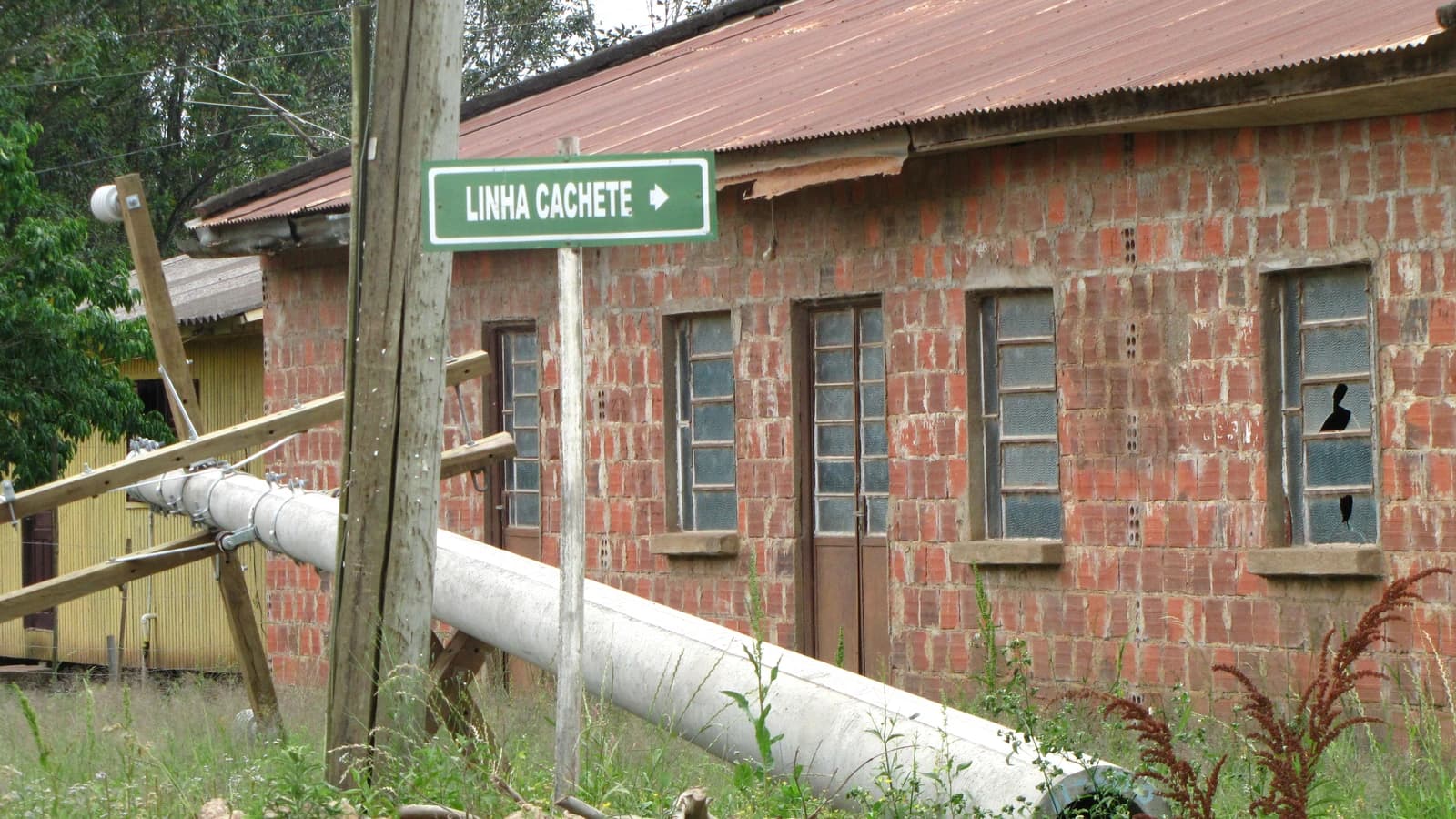
A South African power utility says it has spent more than R50-million replacing and repairing stolen and vandalised infrastructure, underscoring how cable theft and sabotage are becoming a recurring cost of doing business for electricity networks.
South African utility spends R50m on theft repairs
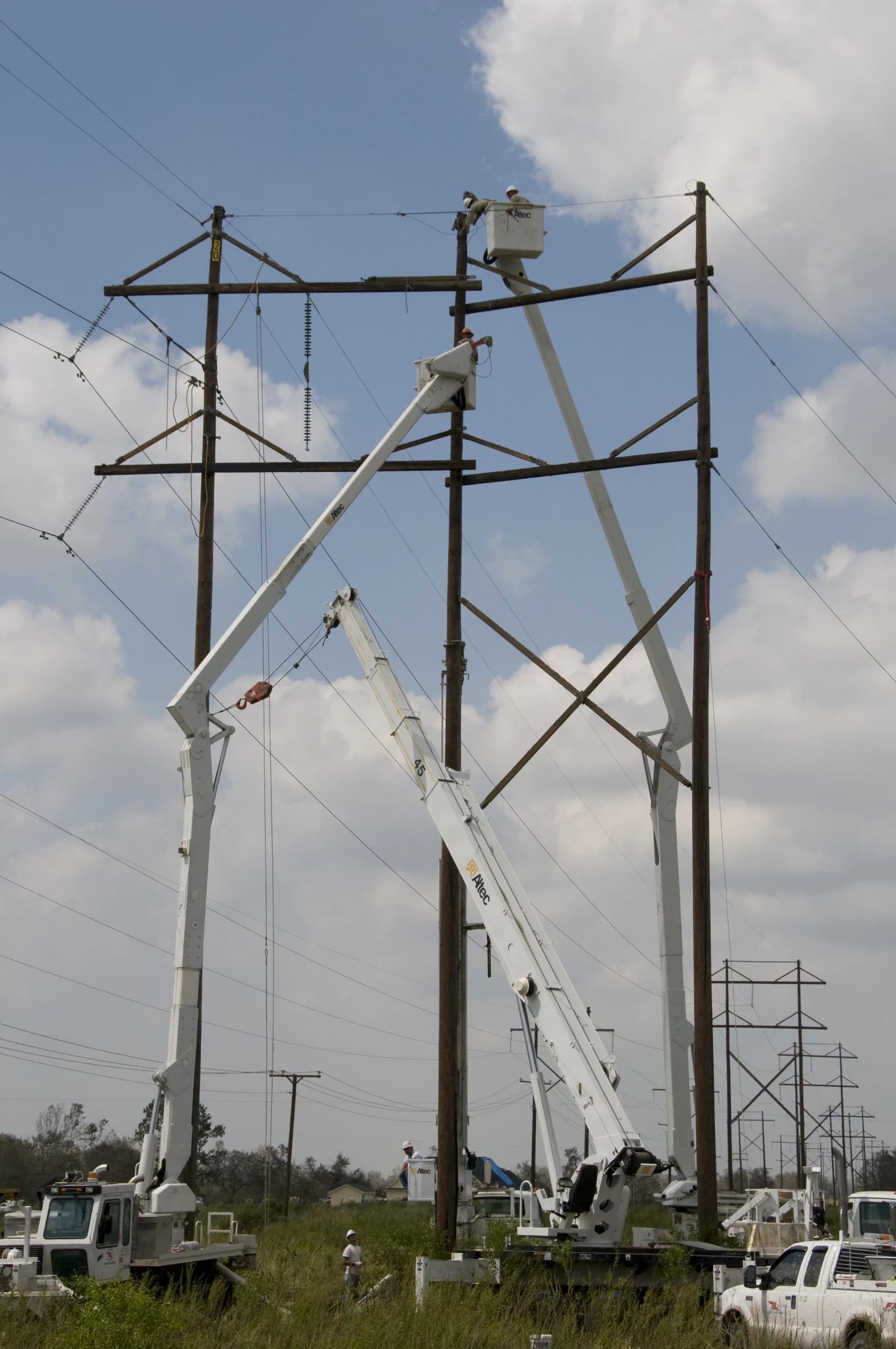
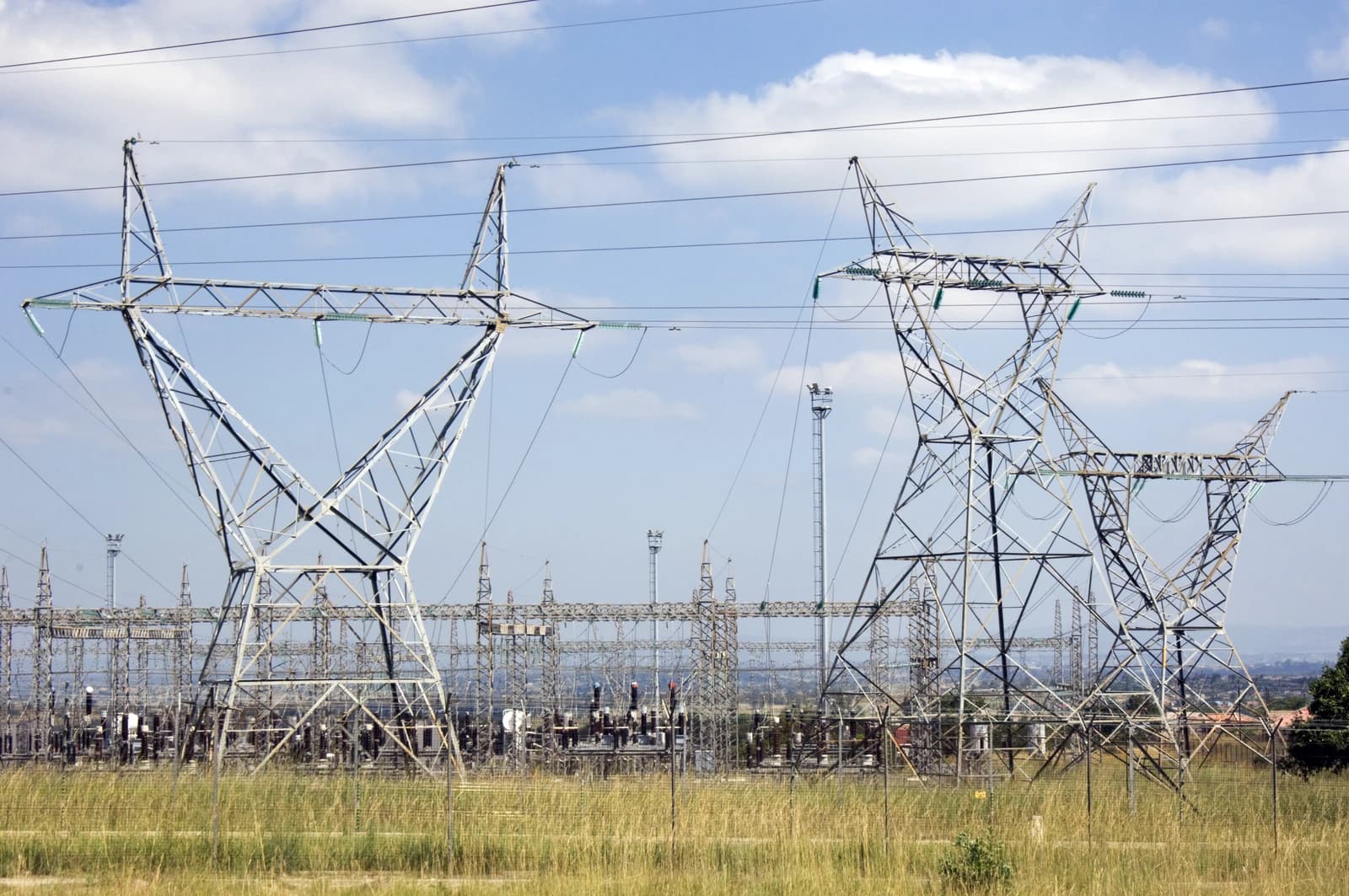
The bill matters because it is not just an operational nuisance. Every rand diverted to patching damaged transformers, cables and other equipment is a rand unavailable for maintenance, expansion and reliability upgrades. For a utility already under pressure to keep power flowing in a constrained system, theft-driven repairs deepen cost inflation, weaken service continuity and increase the risk of outages for households and businesses.
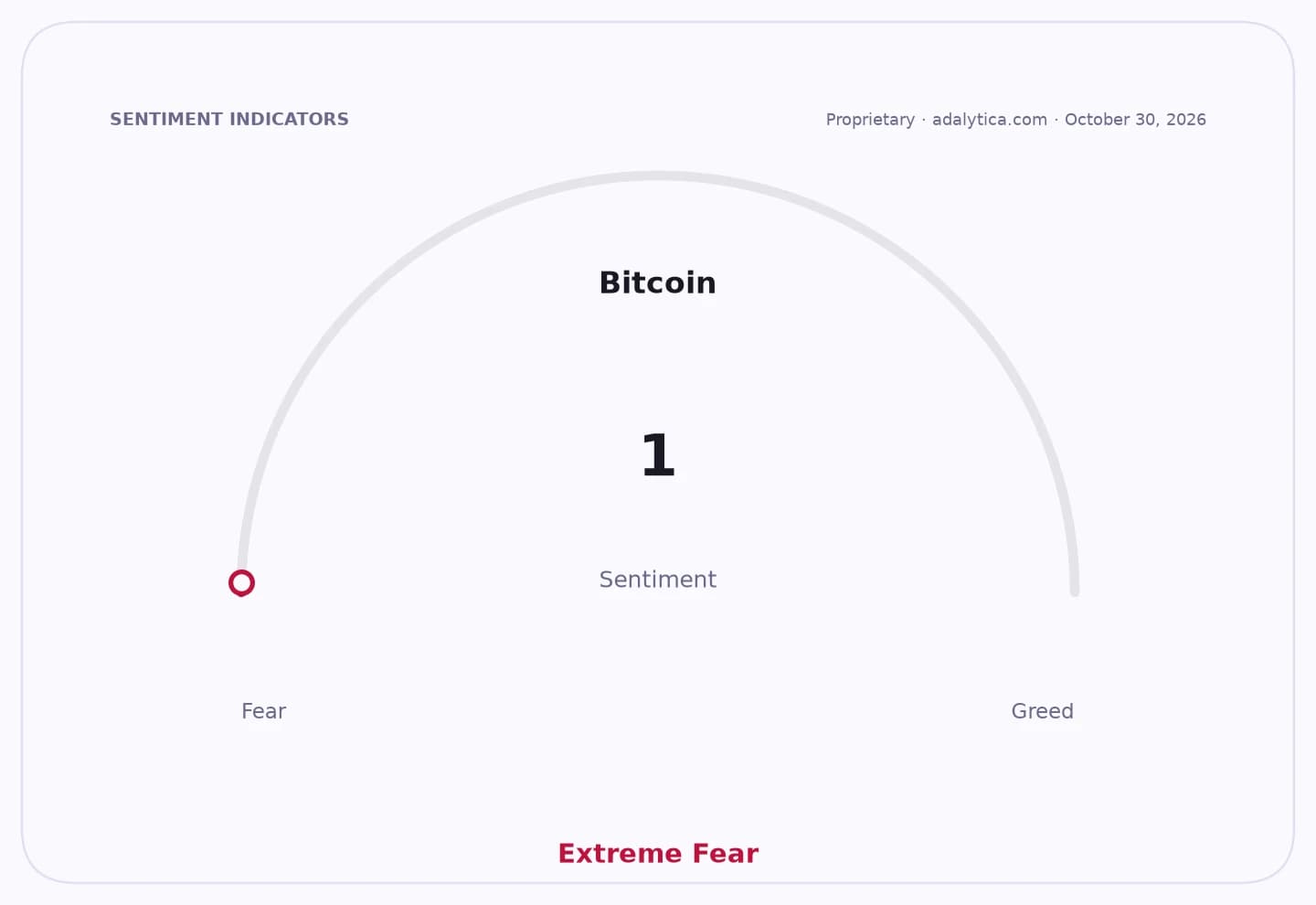
Sentiment Indicators
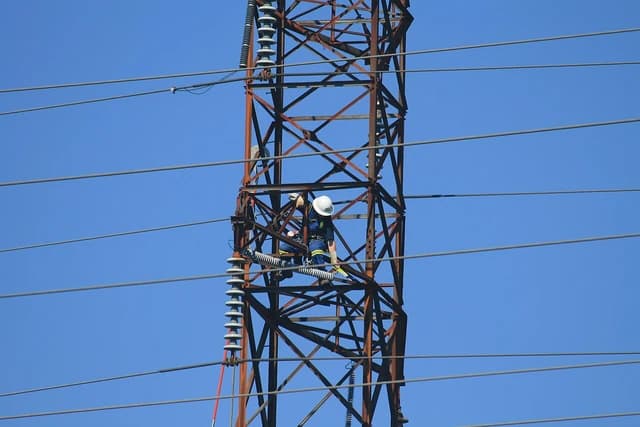
The financial strain also carries a broader economic cost. Repeated vandalism raises the effective price of distributing electricity, forces utilities to carry higher security and replacement spending, and can push more of those costs into tariffs over time. That, in turn, hits industrial users, municipalities and consumers already coping with elevated living and operating costs. In the power sector, persistent physical asset losses tend to show up later as deferred investment, slower network expansion and poorer asset quality.
The problem is not confined to one utility. Recent arrests tied to transformer theft, cable theft and related vandalism highlight a wider criminal economy built around metals and scrap. That matters for investors because it raises execution risk for utilities, infrastructure contractors and any business dependent on stable power supply. It also increases the premium on companies with stronger network hardening, better asset tracking and more effective loss prevention.
For the utility, the immediate challenge is to stop the repair bill from compounding. If theft and vandalism continue at current levels, the long-term damage will be measured less in the headline repair total than in lost resilience, slower service restoration and a weaker ability to invest in a more reliable grid.
| Entity | Gains | Losses |
|---|---|---|
| Power utility | ▲Some infrastructure replacement | ▼Cash flow and reliability |
| Consumers and businesses | ▲Short-term repairs restored service | ▼Higher tariffs and outages |
| Scrap-metal thieves | ▲Illegal resale proceeds | ▼Higher arrest risk |
| Network investors | ▲Demand for security spending | ▼Margin pressure and execution risk |