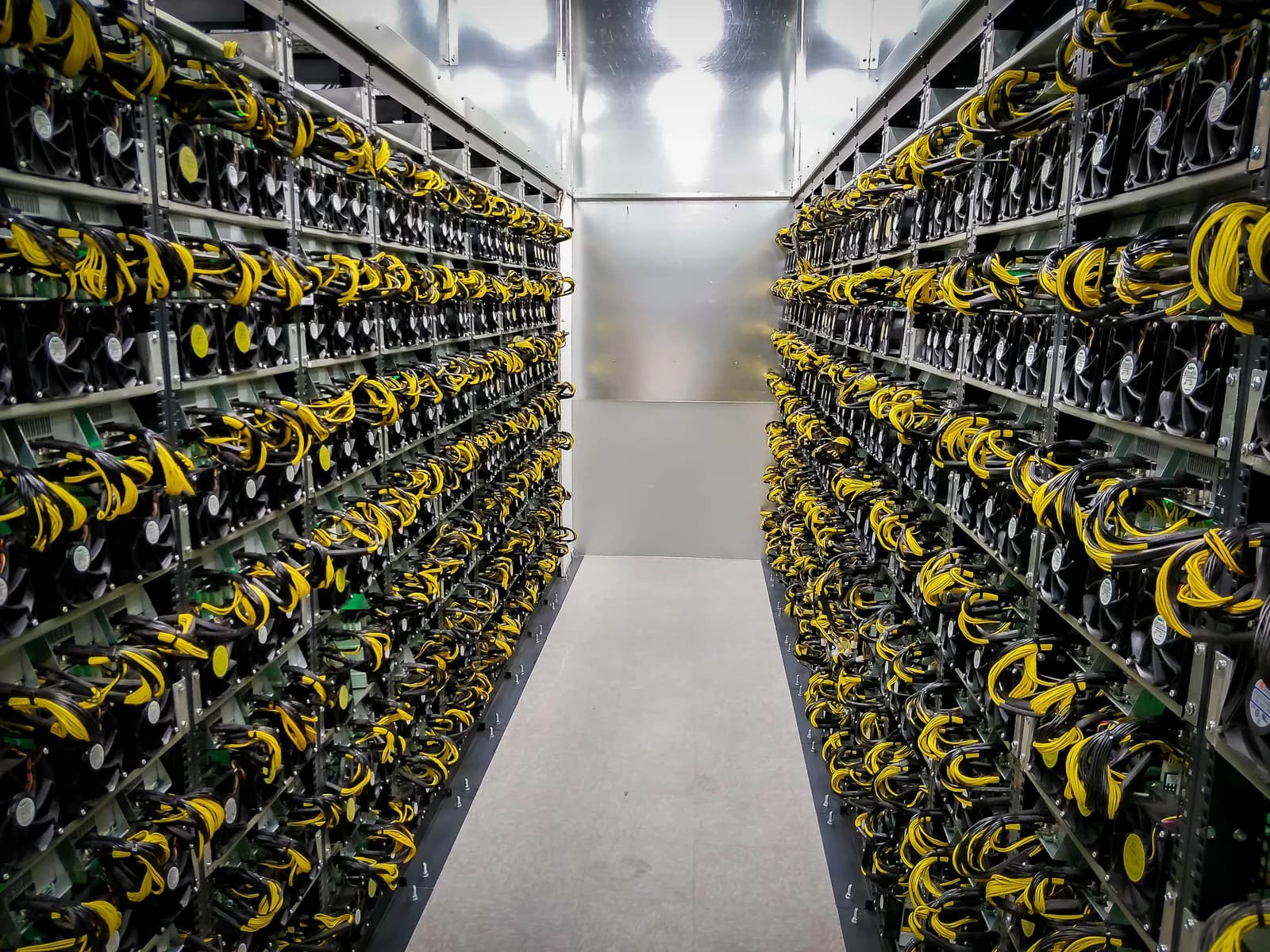
Police in Brazil’s Pará state broke up a suspected bitcoin mining operation tied to irregular electricity use, a case that underscores how crypto mining can strain local grids and drain power that utilities say should be serving households and businesses.
Brazil police bust suspected Bitcoin mining theft
The joint operation in Eldorado dos Carajás, in southeastern Pará, found equipment linked to cryptocurrency mining, including bitcoin, and two transformers rated at 1,000 kVA and 750 kVA. One man was taken to the police station to give a statement as authorities investigate the site and the electrical setup.
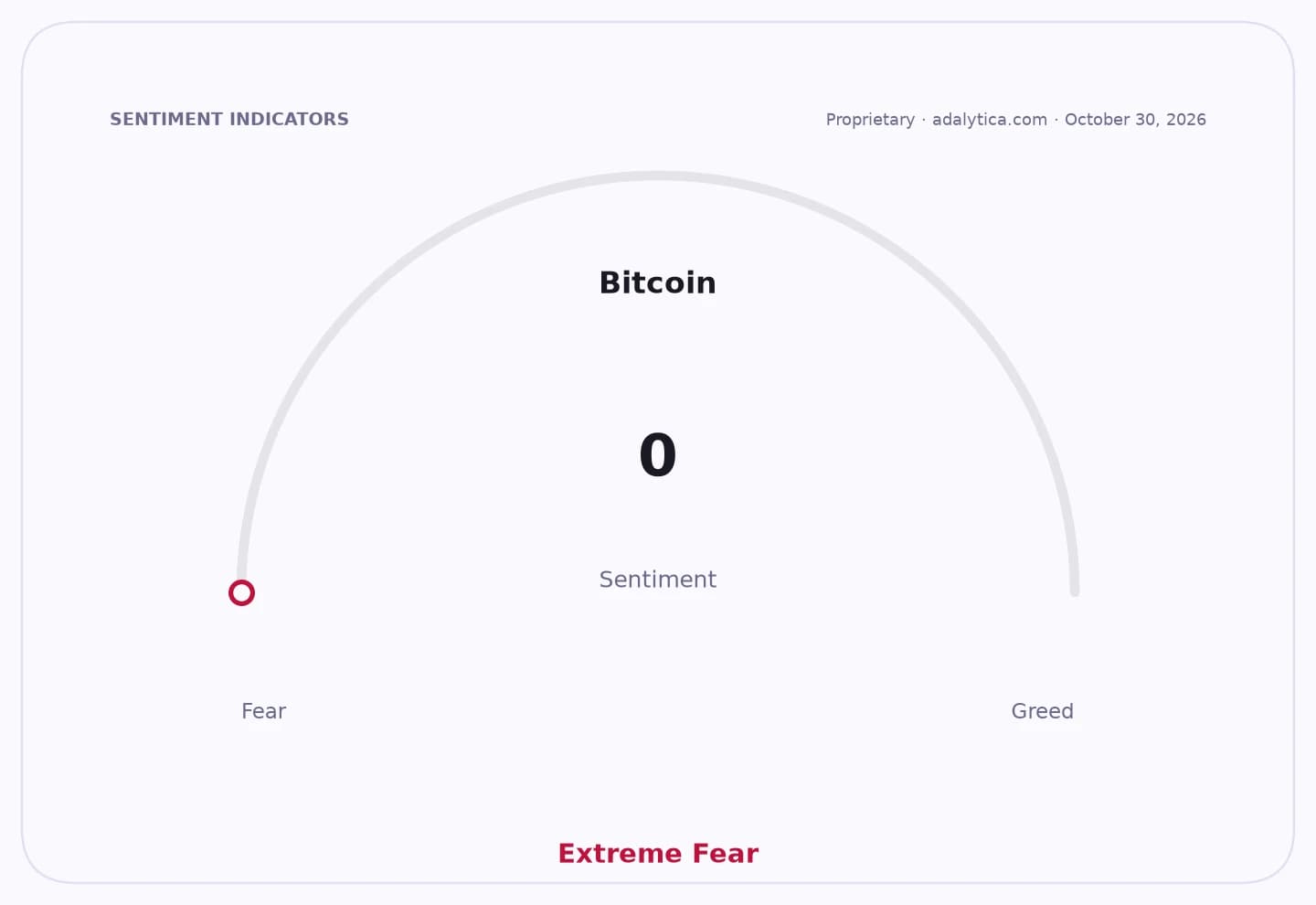
Sentiment Indicators
Equatorial Energia said the property was drawing enough power to match the monthly consumption of about 5,700 homes using 200 kWh each. For a local utility, that kind of load is not just a billing issue: it can degrade service quality, damage equipment and create safety risks across the distribution network.
That matters economically because energy theft shifts costs onto the grid and, ultimately, onto paying customers. The utility said its technicians spotted a suspicious medium-voltage branch during a sweep of the feeder, prompting police involvement and the operation.
The case also highlights a structural feature of bitcoin mining: it is power-intensive, runs continuously and requires cooling systems that add even more demand. In places where miners tap electricity without authorization, the activity can become both a financial loss for utilities and an operational risk for the grid.
For investors, the episode is a reminder that mining economics are heavily dependent on access to cheap, reliable power. Public miners such as Marathon Digital and Core Scientific already trade as leveraged bets on bitcoin’s price and energy costs, while the broader market has been under pressure: bitcoin was last around $77,318, down from more than $81,000 earlier in the week, with standard technical gauges showing the token below its 50-day moving average and RSI in the low 30s.
The crackdown lands at a time when crypto sentiment is already fragile after recent volatility, and it reinforces a simple investment theme: mining margins can deteriorate quickly when power is costly, access is uncertain or operations are compromised by enforcement actions. In Pará, the immediate focus is on the police inquiry and any penalties tied to the alleged theft; for the sector, the bigger risk is that tighter scrutiny raises the cost of operating outside regulated grids.
| Entity | Gains | Losses |
|---|---|---|
| Equatorial Pará | ▲Lower theft losses | ▼Disrupted illegal load |
| Paying customers | ▲Better grid reliability | ▼None directly |
| Bitcoin miners | ▲Cheap power access | ▼Enforcement and higher scrutiny |
| Public miners like MARA and CORZ | ▲None from theft cases | ▼Sentiment pressure on sector |